Questions & Answers
Our trusted network of 1stDibs sellers answer common questions
How do you identify Awaji pottery?
1 Answer
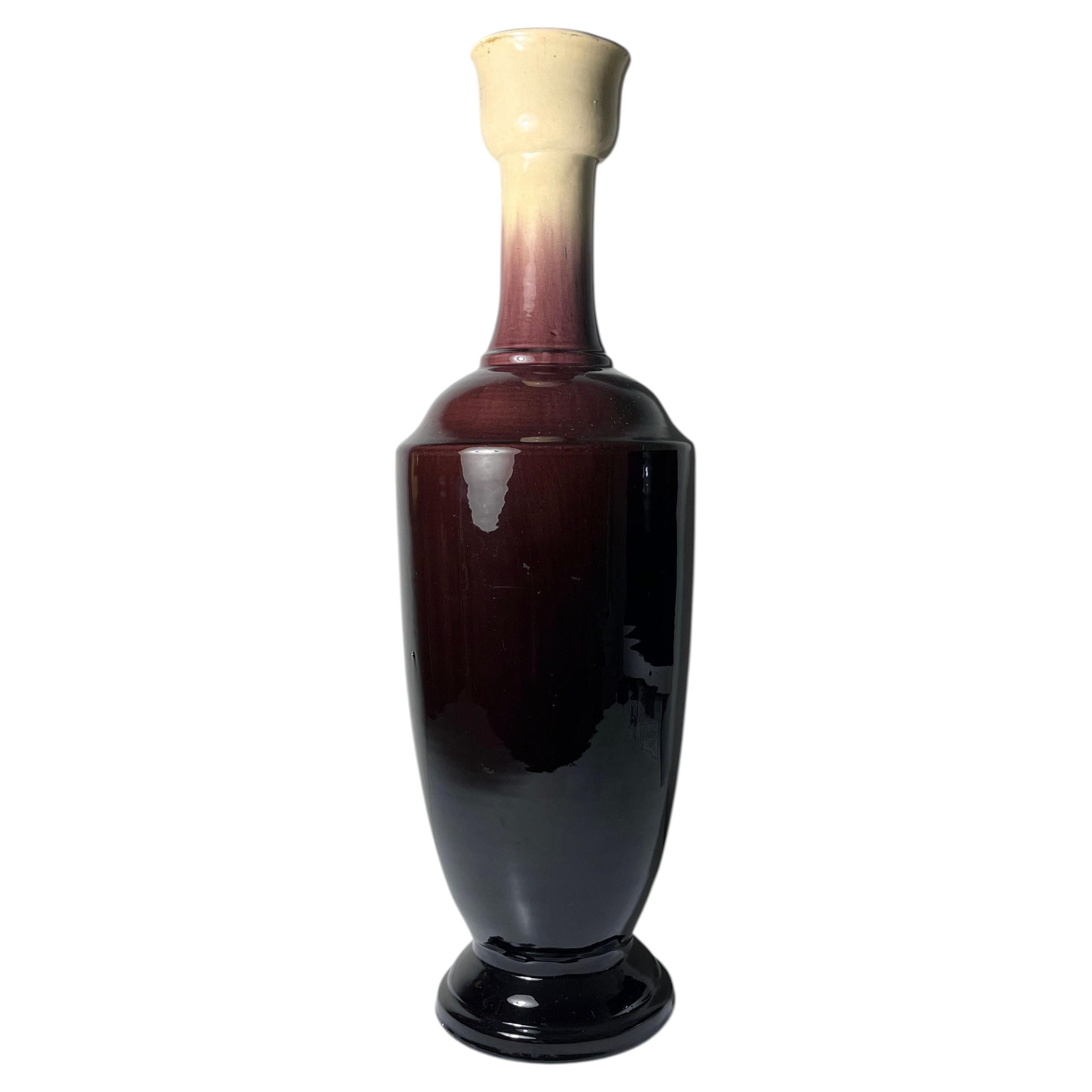
To identify Awaji pottery, first look for any markings. Rather than the name of a single maker, Awaji is the term for a style of pottery that emerged in Japan during the late 19th century and remained popular through the 1940s. As a result, several factories, artisans and workshops have produced Awaji ware. Researching any maker's marks on your piece can help you determine if the creator is known for producing Awaji-style pottery. If you can't find a mark, the decorative motifs, glaze color and clay color can help you make an identification. Usually, the underlying clay is cream or white-colored, and its glazes are usually brightly colored and iridescent or glossy. While some Awaji pottery is unadorned, other examples have carved textural effects, such as deep grooves that encircle the pottery or raised iris flower accents. Because expertise is often necessary to accurately identify unmarked pieces, you may wish to have an experienced antique dealer or certified appraiser assist you. Find a variety of Awaji pottery on 1stDibs.
1stDibs ExpertNovember 26, 2024
Related Questions
- How do I identify my pottery?1 Answer
- How do you identify German pottery?1 Answer
- How do I identify Stangl pottery?1 Answer
- How do you identify Weller pottery?1 Answer
- How do I identify Deruta pottery?1 Answer
Shop for Japanese Awaji on 1stDibs
Antique Japanese Awaji Pottery Minpei Ware Sancai (Three Color) Bowl Signed
By Awaji Pottery
Located in Wilton, CT
Antique Japanese Awaji pottery bowl in sancai (three color) glaze, circa 1900.
Category
Antique Early 1900s Japanese Meiji Decorative Bowls
Materials
Pottery

Japanese Awaji-Style Multispout Glazed Pottery Vase, circa 1930s
By Awaji Pottery
Located in Aramits, Nouvelle-Aquitaine
Wheel-thrown pottery vase, probably Japanese Awaji pottery, dating from around the 1930s.
Category
Vintage 1930s Japanese Art Deco Vases
Materials
Ceramic, Pottery

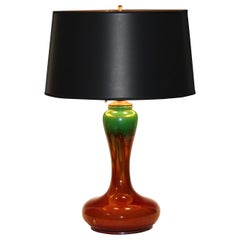
Antique Japanese Awaji Pottery Organic Art Nouveau Gourd Form Lamp
By Awaji Pottery
Located in Wilton, CT
Awaji Pottery lamp in sensual gourd form with green over caramel glaze, circa 1910s. Good quality double cluster S-form socket. 29" high overall, 18" to top of cap, 7 1/2" diameter. ...
Category
Vintage 1910s Japanese Art Nouveau Table Lamps
Materials
Pottery
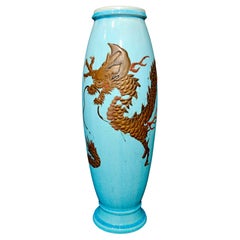
Antique A Large Japanese Awaji Pottery Dragon Vase
Located in Norton, MA
Lacquer dragon applied to a light blue ground, circa 1900. Signed "Booth" on base.
Category
Antique Early 1900s Japanese Ceramics
Materials
Pottery
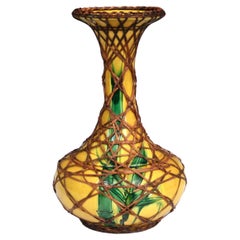
Antique Awaji Pottery Incised Bamboo Vase with Rattan Weaving
By Awaji Pottery
Located in Wilton, CT
Japanese Awaji pottery vase with split bamboo weaving.
Category
Vintage 1910s Japanese Arts and Crafts Vases
Materials
Pottery
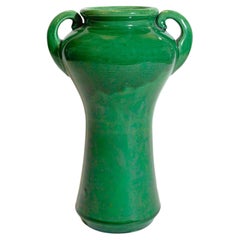
Art Nouveau Green Double Handled Ceramic Vase, Japan, 1900s
By Awaji Pottery
Located in Glasgow, GB
An Art Nouveau Awaji vase, crafted on Japan’s Awaji Island in the early 1900s, reflecting the region’s celebrated ceramic tradition, known for bold decorative forms and experimental ...
Category
Early 20th Century Japanese Art Nouveau Vases
Materials
Ceramic
$448 Sale Price
20% Off