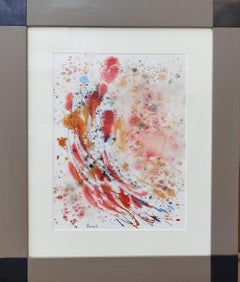
Joan-Josep Tharrats i Vidal
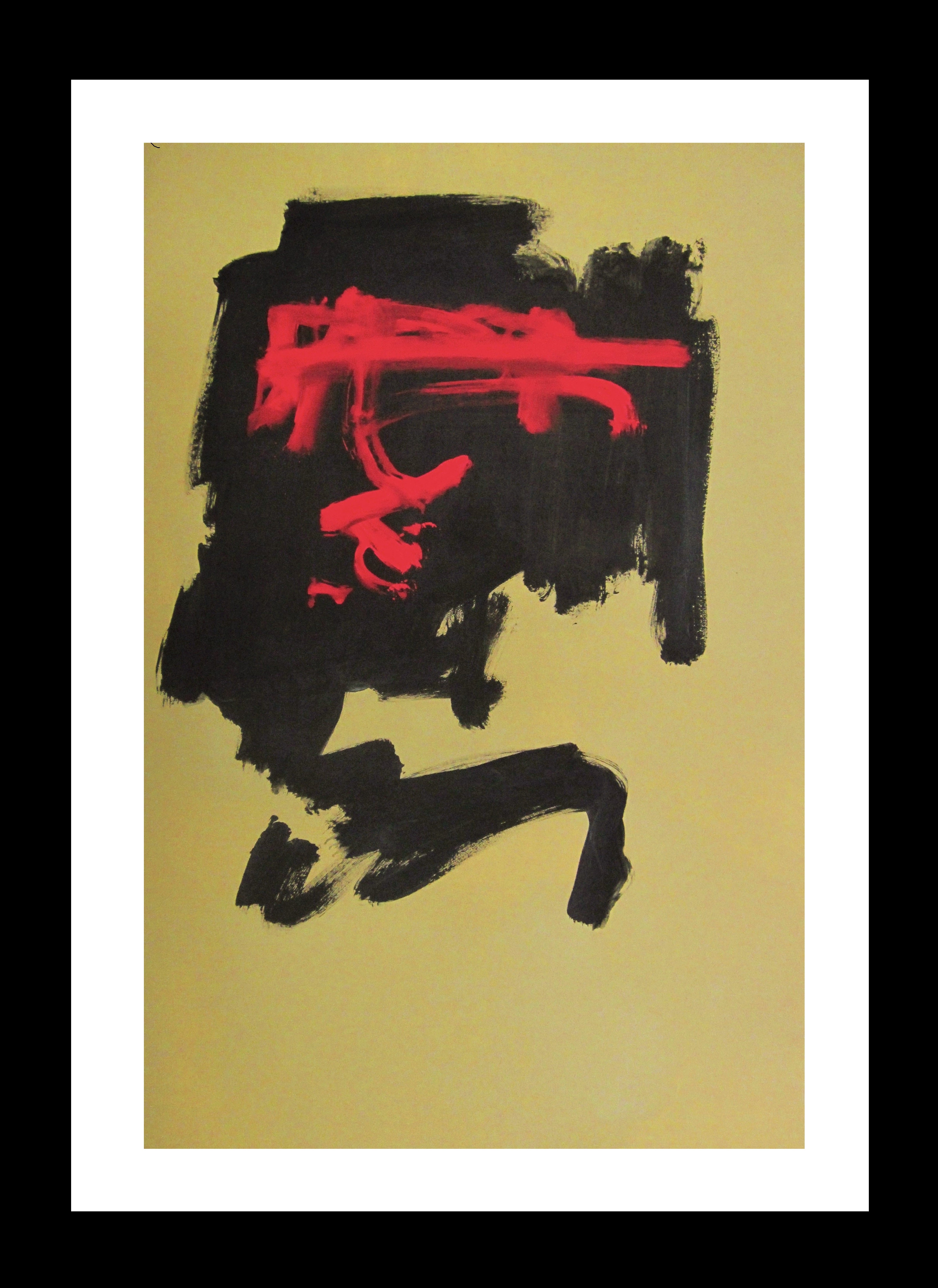
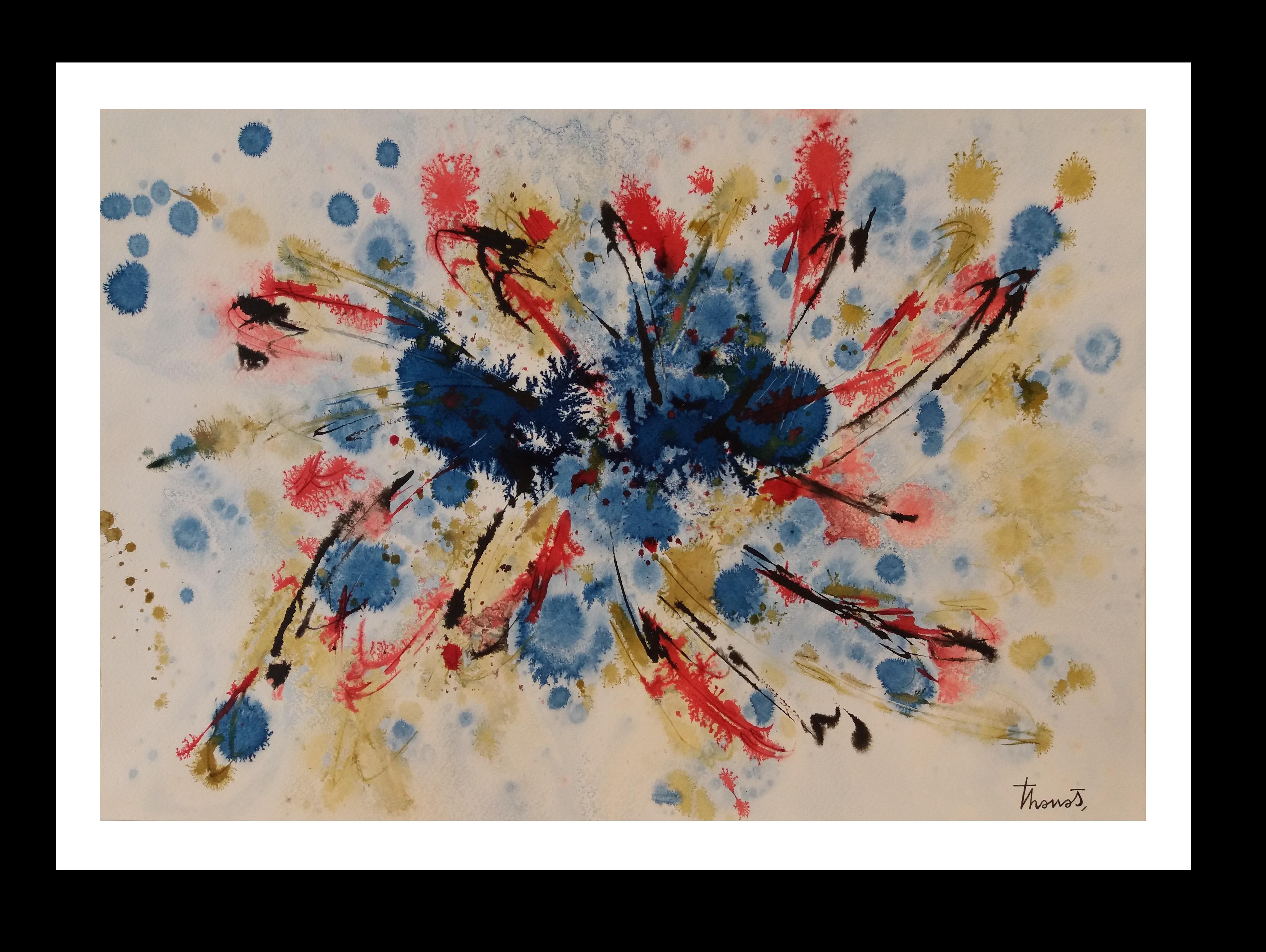
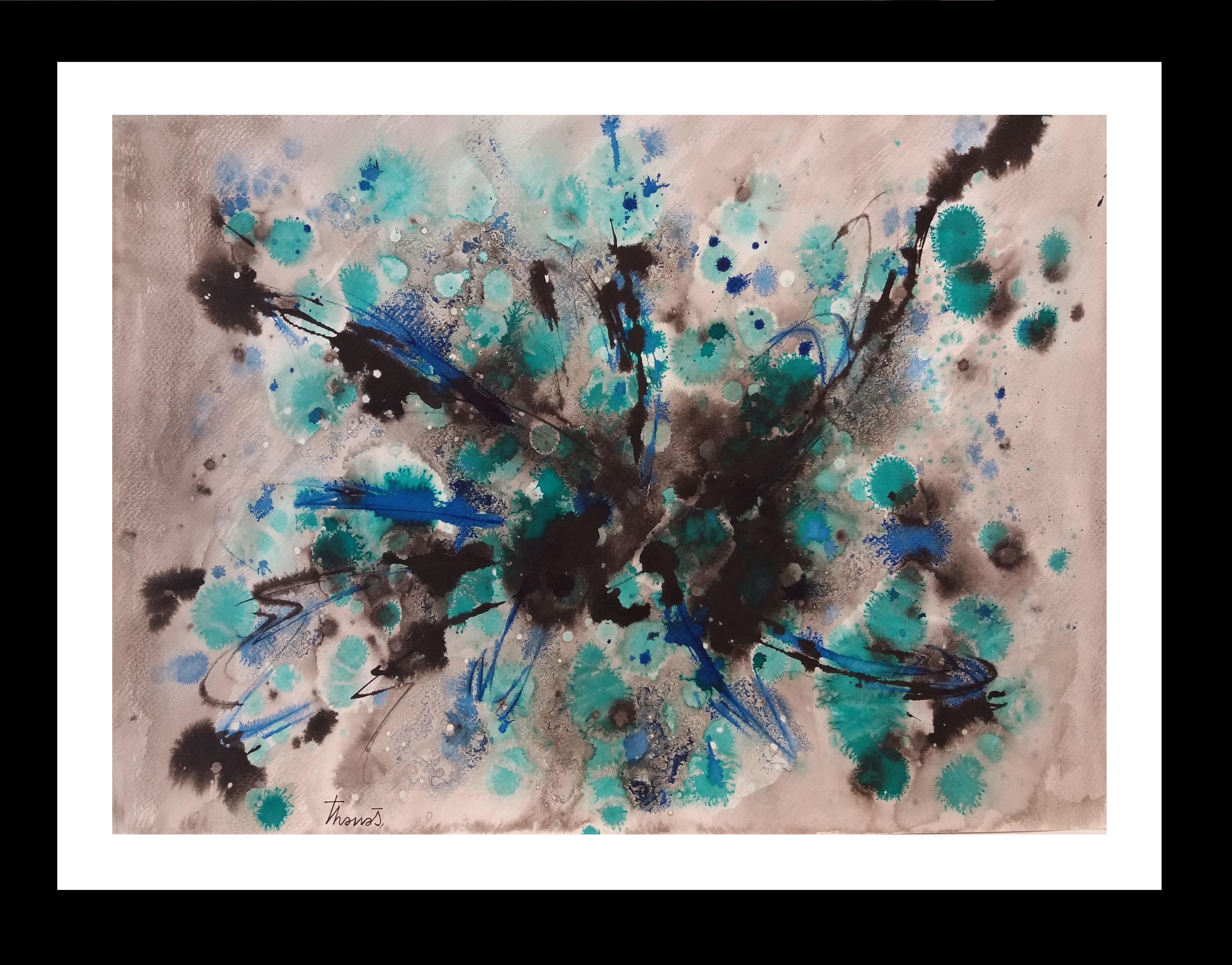
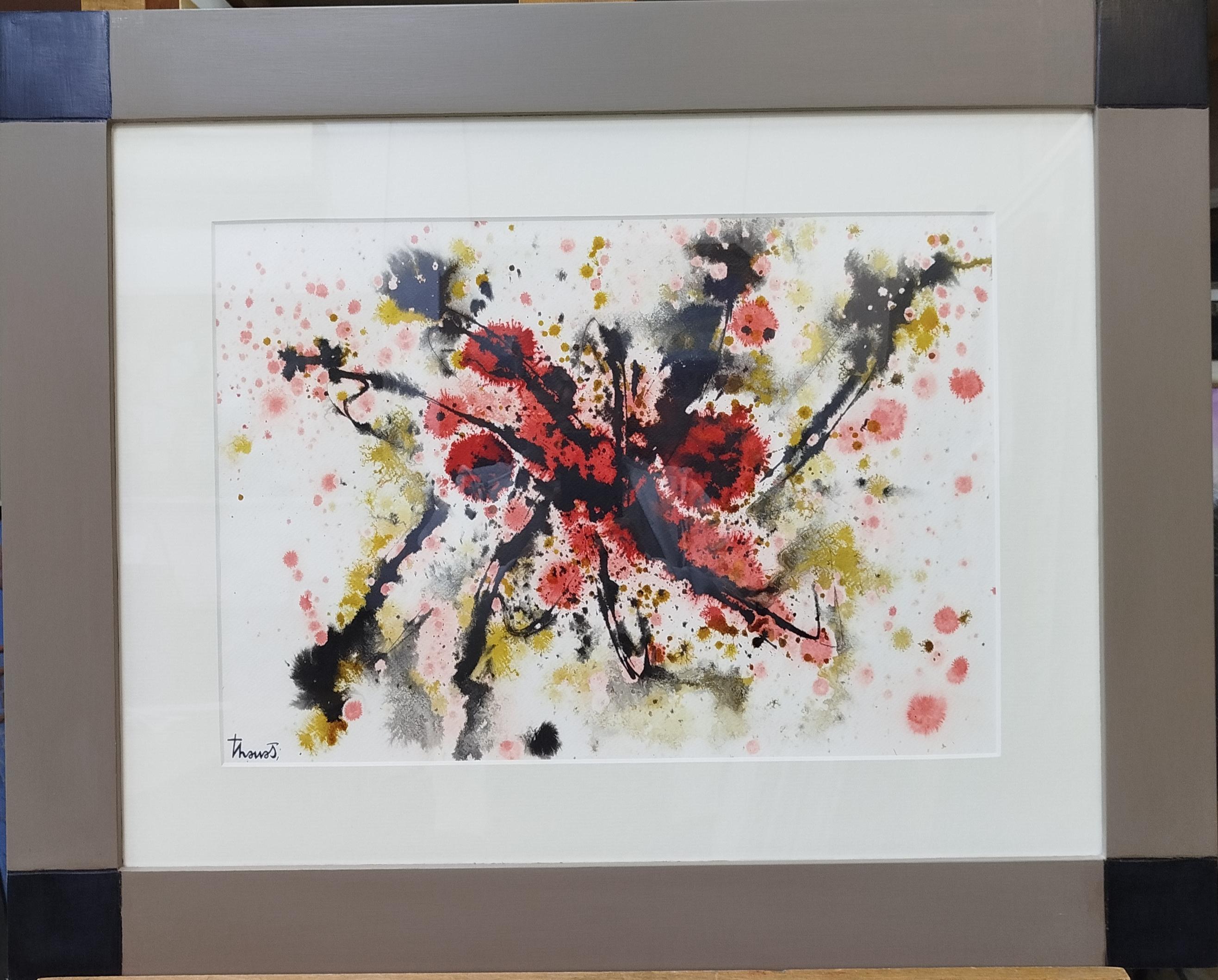
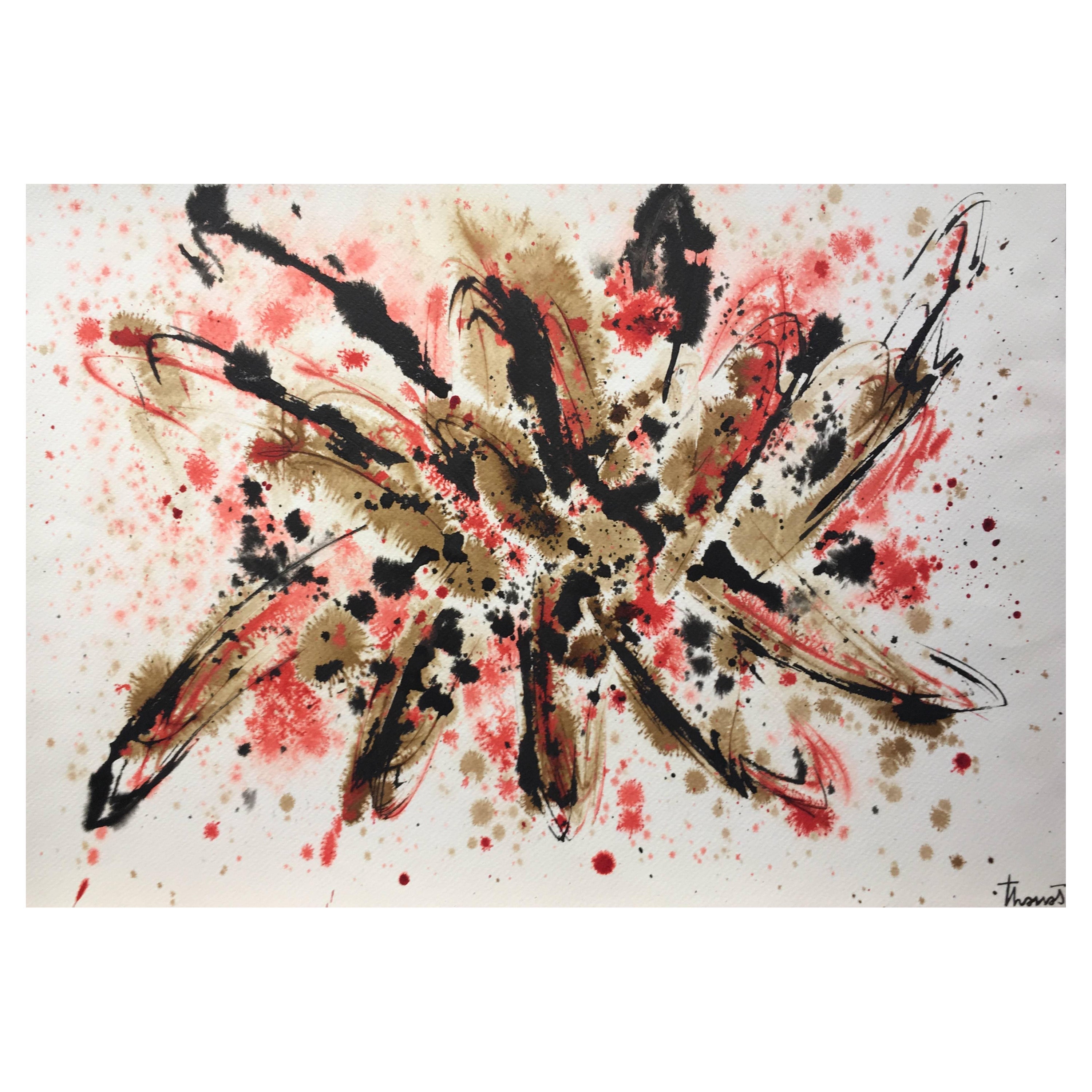
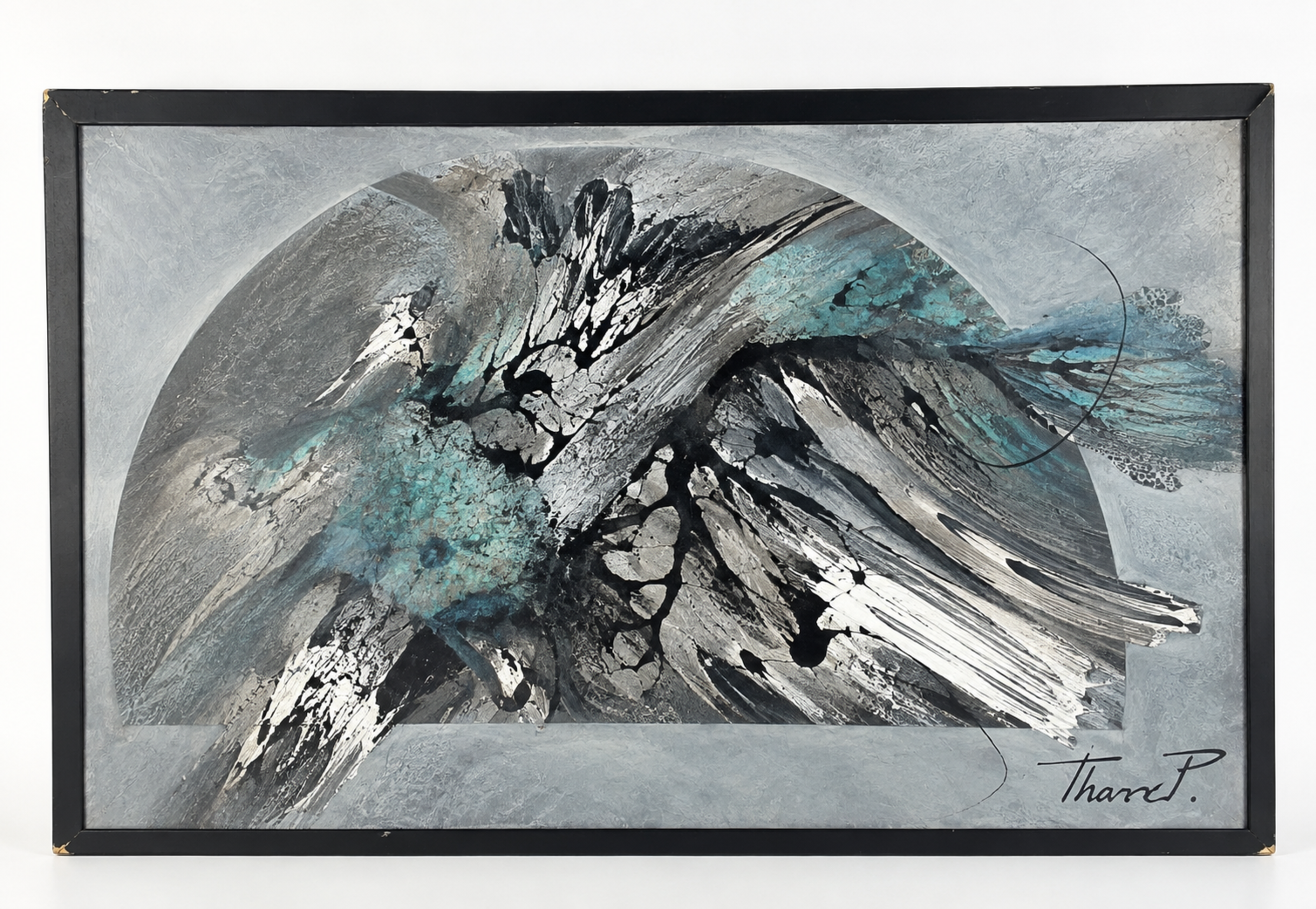
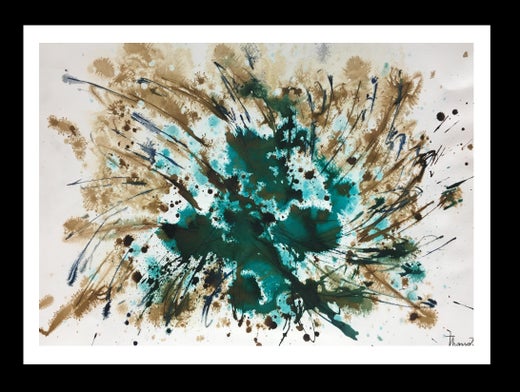
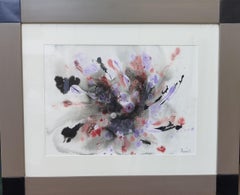
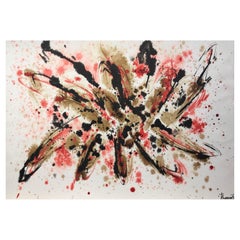
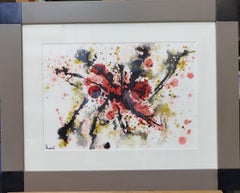
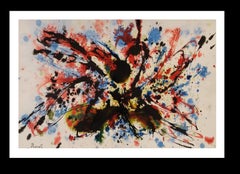
Joan-Josep Tharrats i Vidal (Girona, 1918 – Barcelona, 2001) was a Spanish painter, printmaker, art theorist and editor, and one of the leading figures of the Catalan postwar avant-garde. He studied at the Escola Massana in Barcelona and, after an early period influenced by Impressionism, gradually moved toward abstraction, drawing inspiration from artists such as Wassily Kandinsky and Piet Mondrian. During the 1940s he began experimenting with unconventional materials, collage, texture and increasingly free forms of expression. In 1947, Tharrats co-founded the influential Catalan avant-garde group Dau al Set together with artists and writers including Antoni Tàpies, Modest Cuixart, Joan Ponç, Joan Brossa and Arnau Puig. Tharrats also played an important role in the group's celebrated magazine, helping establish Dau al Set as a major force in the renewal of Catalan art after the Spanish Civil War. From the 1950s onward, his work evolved toward Informalism, characterized by gestural abstraction, rich textures, expressive use of color and experimentation with the physical qualities of the painted surface. He also developed his own approach to printmaking and worked across a wide range of media, including murals, mosaics, stained glass, illustration, jewelry and stage design. Tharrats exhibited extensively in Spain and internationally. His work was shown in cities including New York and Stockholm, as well as at major international exhibitions such as the São Paulo Biennial and the Venice Biennale. Alongside his artistic practice, Tharrats was an important writer and advocate for contemporary art in Catalonia. His contribution to Spanish culture was recognized with the Creu de Sant Jordi from the Generalitat de Catalunya in 1983 and the National Prize for Visual Arts from the Spanish Ministry of Culture in 1994. Today, Tharrats is regarded as an important figure in the development of postwar Spanish abstraction and Catalan Informalism.