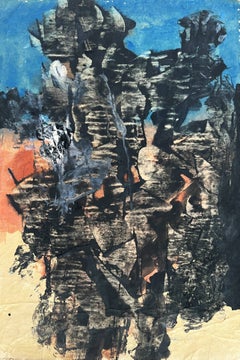
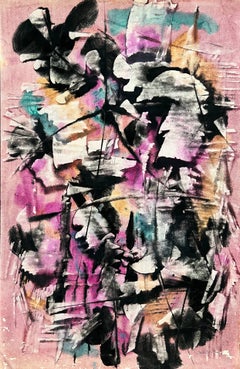
Reynold Arnould 1
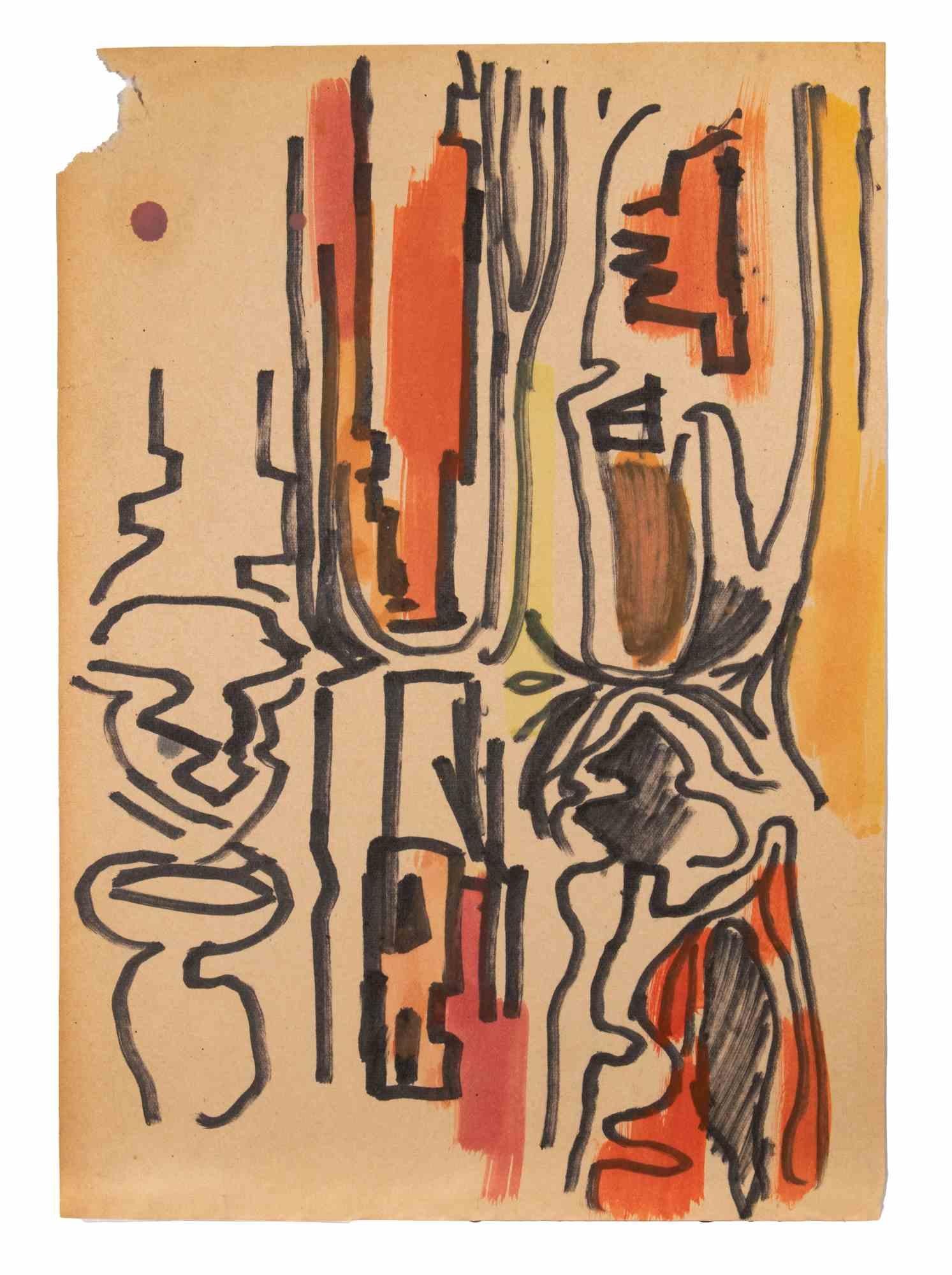
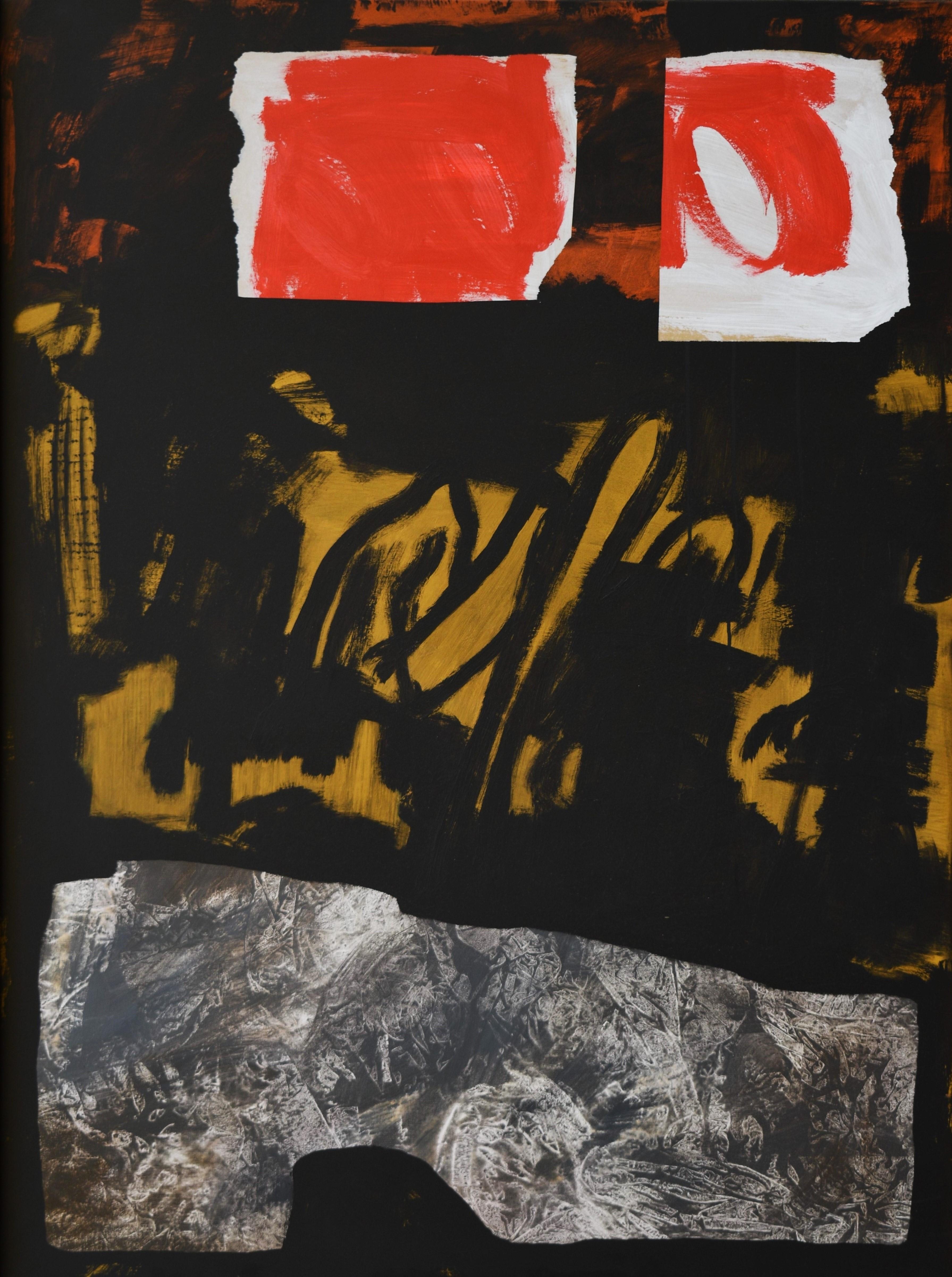
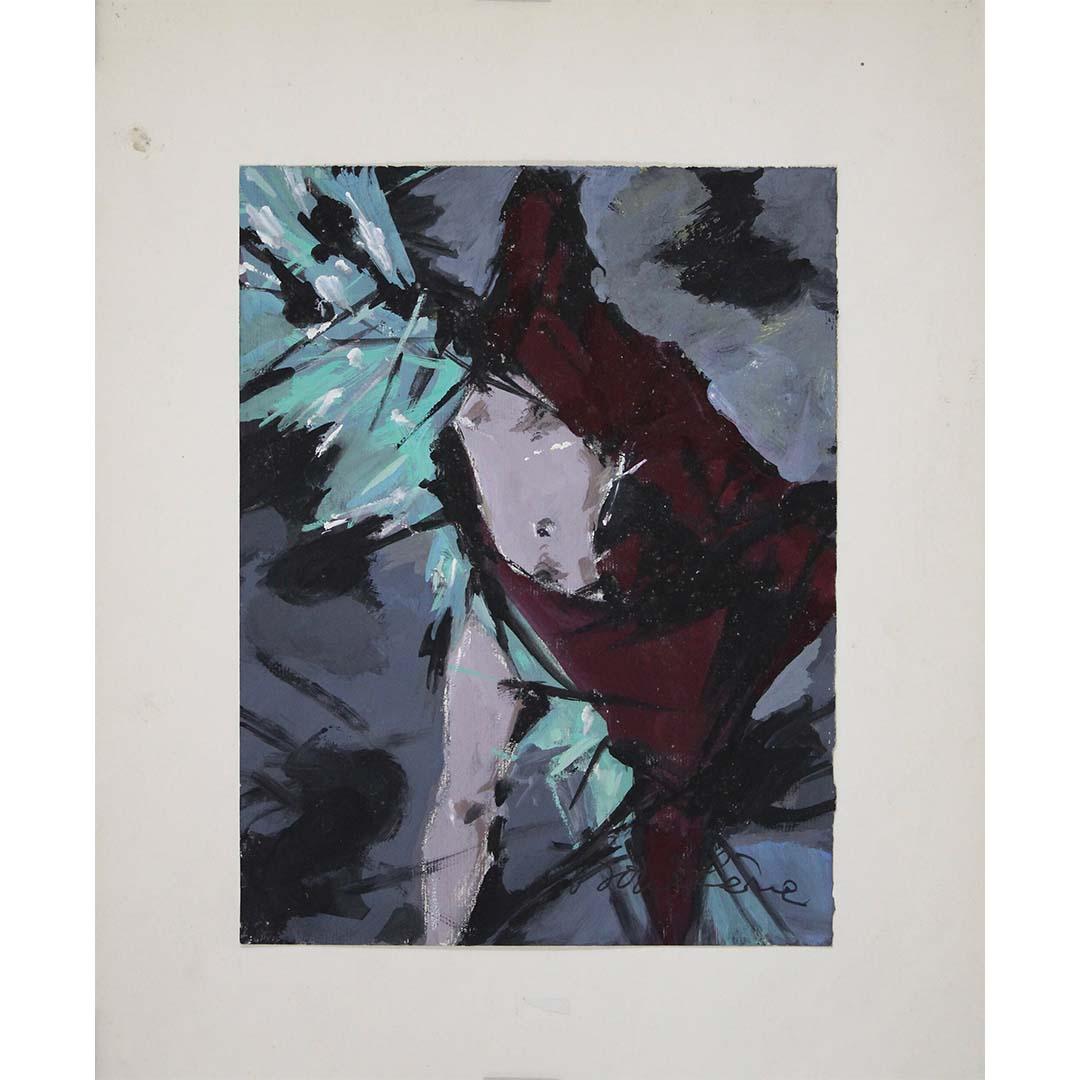
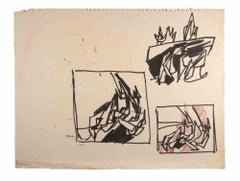
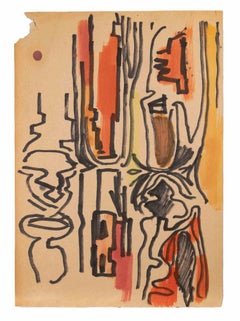
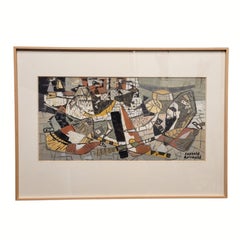
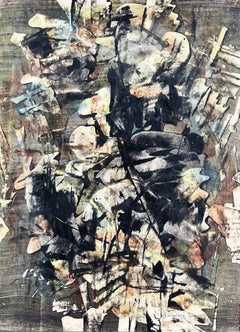
Reynold Henri Arnould (1919-1980) was a renowned French artist. A student at the age of ten at the École des Beaux-Arts in Rouen, he entered the École des Beaux-Arts in Paris in 1937, winning the Prix de Rome in 1939. After a stay in the United States, he returned to the French capital in 1952 and was appointed director of the Musée de Le Havre and, later, of the Grand Palais in Paris, having overseen the renovation of its galleries in 1964 at the initiative of the then Minister of Education, André Malraux. His style falls somewhere between late Cubism, lyrical abstraction—heavily influenced by the works of Robert Delaunay—and Italian Futurism. He exhibited in major avant-garde salons, such as the Salon d'Automne and the Salon des Tuileries, and soon began to attract attention, particularly from the influential critic Frank Elgar. In the thriving Parisian atmosphere of Liberation, Arnould's creativity flourished, and he developed productive friendships with Pignon, Gischia, and Estève. In 1945, he held his first solo exhibition in the United States at the Passedoit Gallery. The artist is represented in numerous public collections, including the National Museum of Modern Art in Paris, and modern art museums in London, America, Italy, Norway, and Switzerland.