Pierre Eugène Montezin
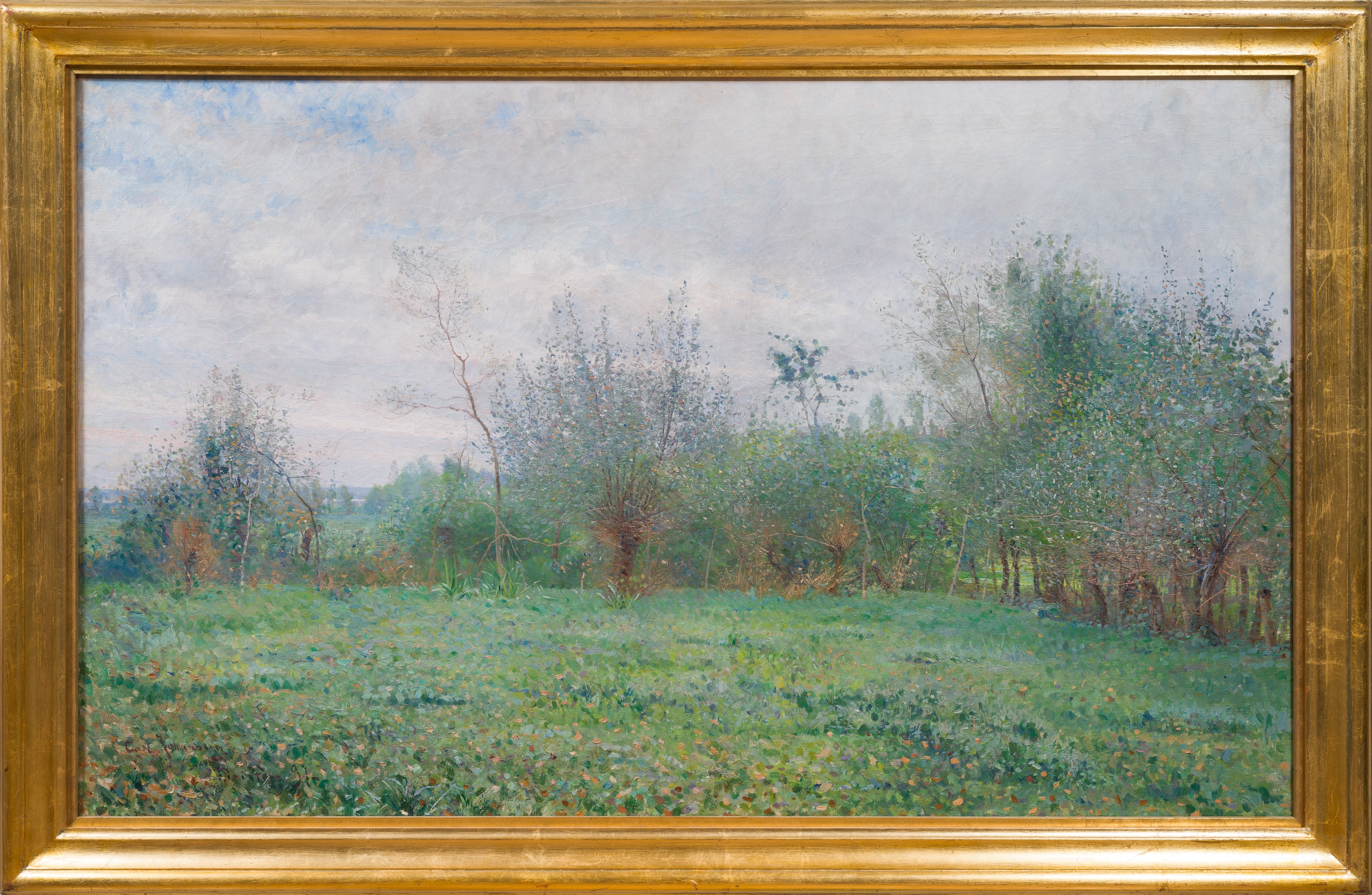
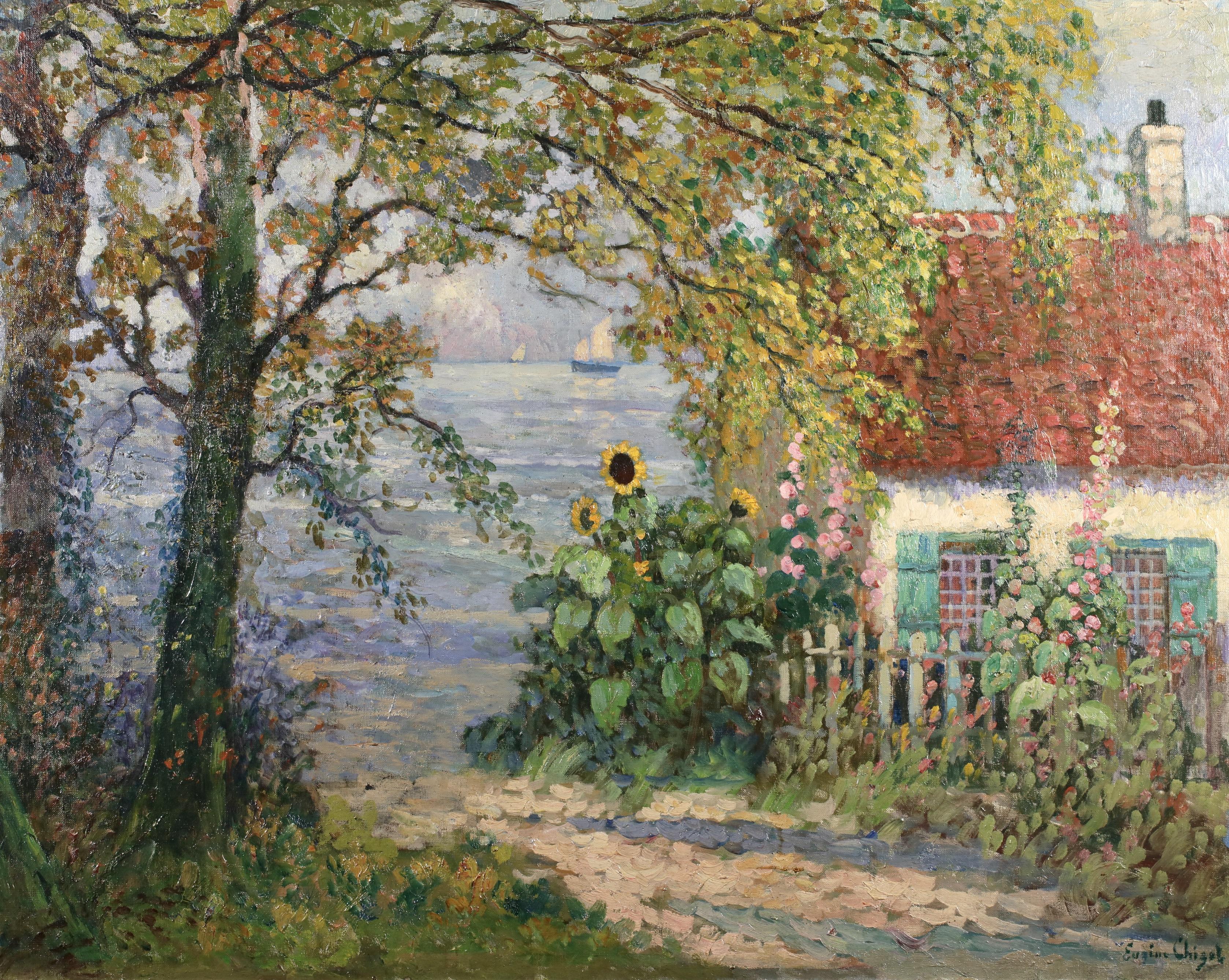
French artist Pierre Eugene Montézin, originally trained in decorative arts and mural painting under his father’s guidance. From the age of 18 he worked in a decorative atelier, painting floral panels and ornamental motifs. His exposure to the Impressionist movement inspired a pivot towards plein-air landscape paintings, setting him on the path to becoming a true Impressionist. Montézin passionately pursued Salon recognition for a decade; in 1903, he finally debuted at the Salon des Artistes Français after repeated rejections. Under the mentorship of Ernest Quost, he honed his drawing and painting technique, embracing a painterly style marked by spontaneous strokes and radiant light. Montézin enlisted during WWI and received the Médaille Militair for his service, spending significant time after the war in Dreuz and Moret-sur-Loing, painting landscapes in the tradition of Alfred Sisley with the influence of Claude Monet remaining present. Montézin remained a steadfast Impressionist, resisting contemporary movements like Cubism or Surrealism, and stayed devoted to natural, atmospheric subjects seen through ‘the heart’ as he reportedly told critic Louis Vauxcelles. He suddenly died in 1946 whilst painting Britany. Montézin’s work embodies a lifetime of devotion to light, landscape, and the authentic roots of Impressionism.