Want more images or videos?
Request additional images or videos from the seller.

Raymond Logan
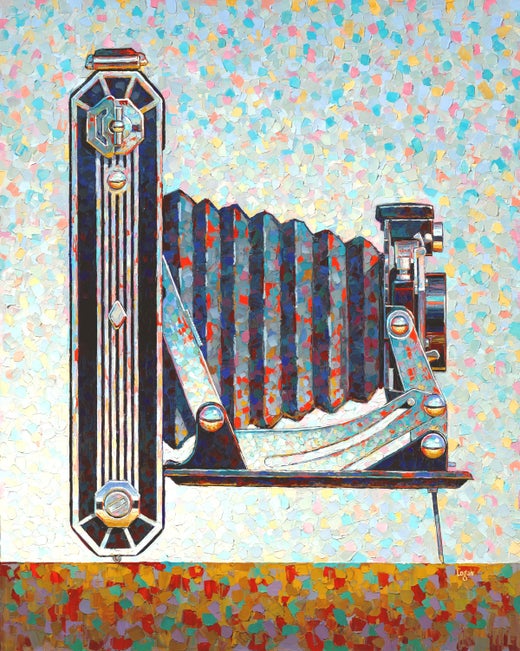
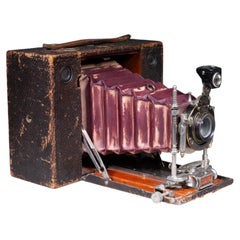
Agfa PB20 Folding Camera

2019

$7,500
£5,710.24
€6,827.62
CA$10,692.02
A$10,883.49
CHF 6,302.38
MX$143,718.26
NOK 70,445.03
SEK 75,170.43
DKK 51,235.11

About the Item

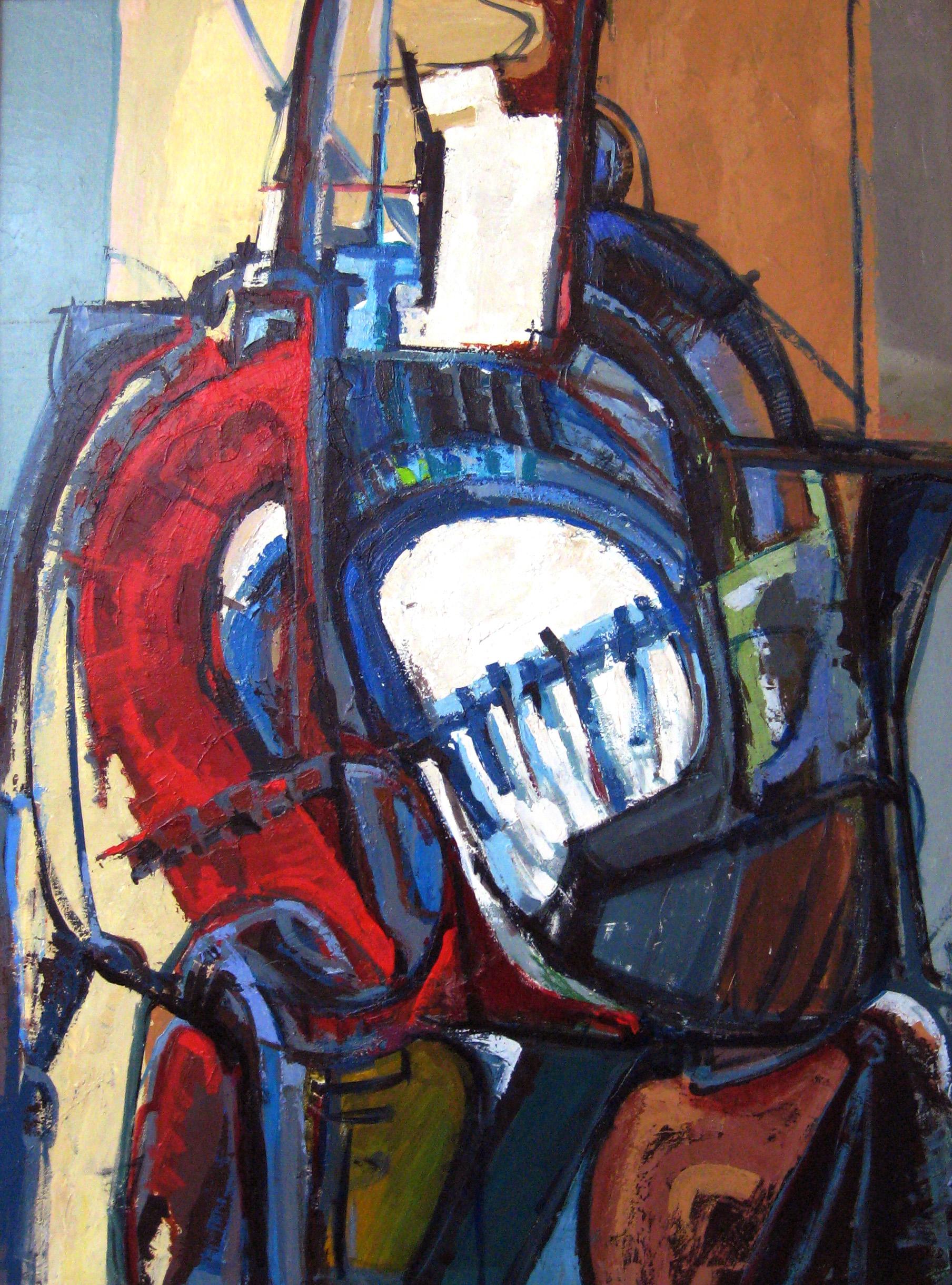
Raymond Logan is a representational artist whose work is truly about the intersection of realism and abstraction. Deeply grounded in highly skilled draftsmanship, Logan’s paintings are created through the liberal application of oil paint via a brush or palette knife plus extensive color experimentation. Logan shuns both the realism and abstraction labels - he views his work as an abstract representation of himself - it represents his process of imagining. His color theory and generous application of his medium is strikingly distinctive. While his expression of imagining is delivered via his technique, the selection of his subject matter is also vital to his being able to reveal his creativity. His criteria for subject matter is straightforward: the subject must challenge him to express himself and grow as an artist. It also provides an entry point for the viewer; allowing for access to Logan as an artist and what he is trying to achieve. Even if the viewer does not understand how he executed the piece, it speaks to them on some personal level and the subject matter often helps find the common ground between artist and viewer. Human beings are connected via people, places, and things. Sometimes those connections are based on memories, sometimes they are immediate. Either way, ethereal or evident, they are shared. Logan considers his art to be a dialogue between himself and the viewer about those shared connections.
  • Creator:
    Raymond Logan (American)
  • Creation Year:
    2019
  • Dimensions:
    Height: 40 in (101.6 cm)Width: 32 in (81.28 cm)
  • Medium:
  • Period:
  • Condition:
  • Gallery Location:
    Fairfield, CT
  • Reference Number:
    1stDibs: LU183214491582

More From This Seller

View All
Kodak Six 20 Folding Camera

Kodak Six 20 Folding Camera

By Raymond Logan

Located in Fairfield, CT

Raymond Logan is a representational artist whose work is truly about the intersection of realism and abstraction. Deeply grounded in highly skilled draftsmanship, Logan’s paintings ...

Category

2010s Paintings

Materials

Oil, Canvas

XLR8

XLR8

By Carla Falb

Located in Fairfield, CT

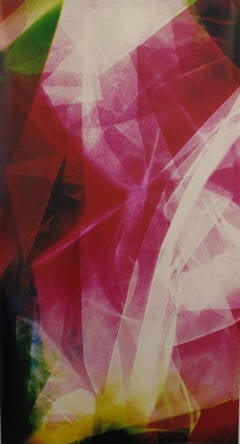
For the last 15 years, Falb’s primary subject matter has been light and motion from rollercoasters and fireworks. Using what would have been throw-away out-of-focus images taken whi...

Category

2010s Photorealist Paintings

Materials

Canvas, Oil

Unfold

Unfold

By Susan Grossman

Located in Fairfield, CT

Susan Grossman's works on paper are grand scale and sophisticated. The images shown at George Billis Gallery include beach scenes of the Hamptons and o...

Category

2010s Mixed Media

Materials

Charcoal, Pastel

FM321 at 2701

FM321 at 2701

By Cedric Ingram

Located in Fairfield, CT

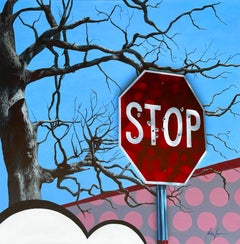
The Stop Sign is painted wood on the canvas. Growing up as an African American kid, I never really saw artwork that represented people of my culture. Most other 70s and 80s babies l...

Category

2010s Portrait Paintings

Materials

Oil Pastel, Acrylic, Board

#3

#3

By Russ Havard

Located in Fairfield, CT

Represented by George Billis Gallery, NY & LA --The process of endless building and reconfiguring transcends the mere physical and encompasses the spiritual and symbolic. The scars a...

Category

21st Century and Contemporary American Realist Landscape Paintings

Materials

Paper, Watercolor

The Fold

The Fold

By Leslie Lewis Sigler

Located in Fairfield, CT

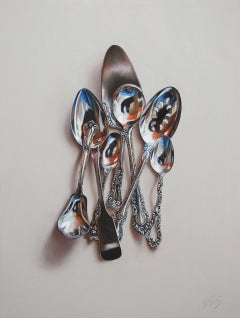
In my work I explore family objects as “families” of objects—individual silver heirlooms that are related to one another in a single collection and, collectively, to the individual f...

Category

2010s Paintings

Materials

Oil, Panel

You May Also Like

Mamiya A1

Mamiya A1

By Fabio Torre

Located in New York, NY

Oil on paper Signed, verso This artwork is offered by ClampArt, located in New York City. Born in Bologna, Italy, in 1955, Fabio Torre is an Italian photographer and painter whose ...

Category

2010s Contemporary Still-life Paintings

Materials

Paper, Oil

Antique Kodak No. 4 Model E Folding Camera c.1897-1910

Antique Kodak No. 4 Model E Folding Camera c.1897-1910

Located in San Francisco, CA

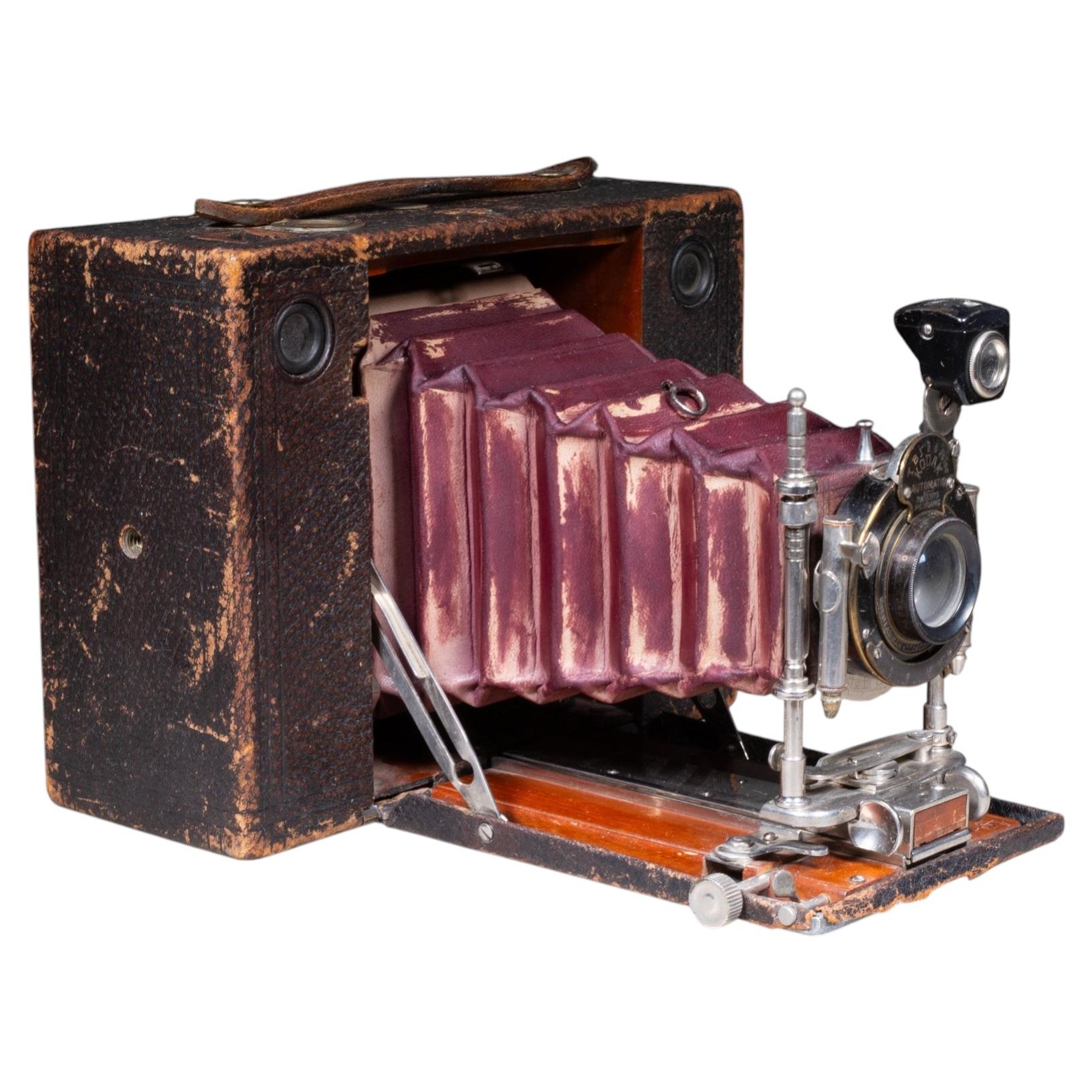
ABOUT An antique No.4 Kodak Model E folding camera featuring red bellows, Mahogany inlay panels on each side, leather wrapped body and black metal, chrome and brass accents on the l...

Category

Antique Late 19th Century American Victorian Scientific Instruments

Materials

Brass, Nickel

Hasselblad IV

Hasselblad IV

By Fabio Torre

Located in New York, NY

Oil on canvas Signed, verso This artwork is offered by ClampArt, located in New York City. Born in Bologna, Italy, in 1955, Fabio Torre is an Italian photographer and painter whose...

Category

2010s Contemporary Paintings

Materials

Canvas, Oil

Untitled

Untitled

Located in Palm Desert, CA

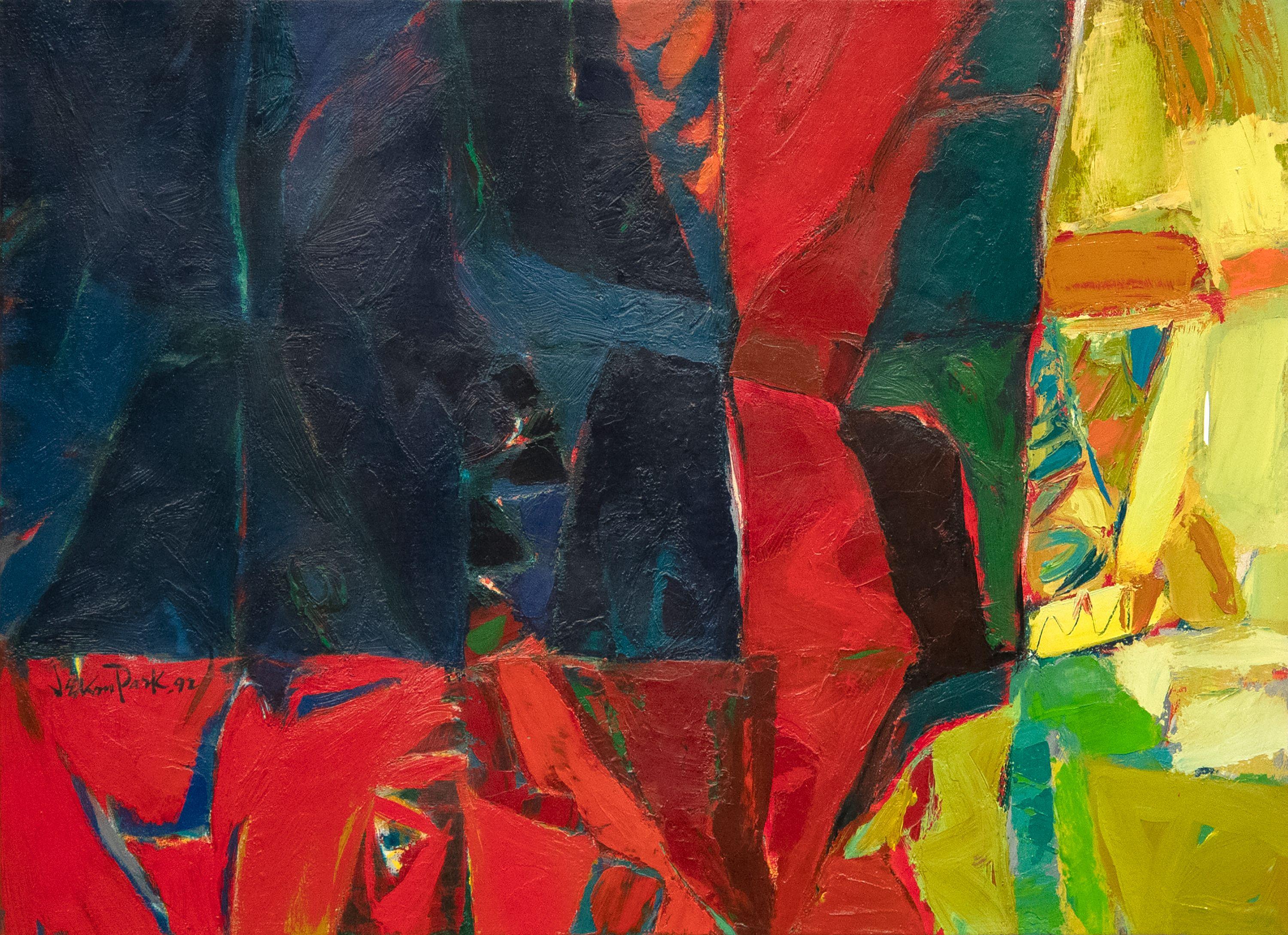
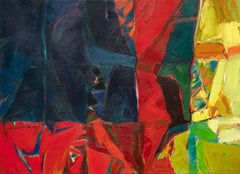
A painting by Jae Kon Park. ""Untitled"" is an abstract painting, oil on canvas in reds, yellows, and blues by Korean, Post-War artist Jae Kon Park. The artwork is signed in the lower right, ""Jaw Kon Park, 92"". Born in South Korea, Park Jae Kon...

Category

Late 20th Century Post-War Abstract Paintings

Materials

Oil

Untitled

Untitled

By Roland Ayers

Located in Wilton Manors, FL

Roland Ayers (1932-2017). Untitled, 1983. Ink on paper, measures 17 x 23 inches. Unframed and unmounted. Signed and dated lower left. Ayers holds the distinction of having participated in the first important survey of African-Americans, Contemporary Black Artists in America, a 1971 show at The Whitney. Biography: Artist and art educator, Roland Ayers was born on July 2, 1932, the only child of Alice and Lorenzo Ayers, and grew up in the Germantown district of Philadelphia. Ayers served in the US Army (stationed in Germany) before studying at the Philadelphia College of Art (currently University of the Arts). He graduated with a BFA in Art Education, 1954. He traveled Europe 1966-67, spending time in Amsterdam and Greece in particular. During this period, he drifted away from painting to focus on linear figurative drawings of a surreal nature. His return home inaugurated the artist’s most prolific and inspired period (1968-1975). Shorty before his second major trip abroad in 1971-72 to West Africa, Ayers began to focus on African themes, and African American figures populated his work almost exclusively. In spite of Ayers’ travel and exploration of the world, he gravitated back to his beloved Germantown, a place he endowed with mythological qualities in his work and literature. His auto-biographical writing focuses on the importance of place during his childhood. Ayers’ journals meticulously document the ethnic and cultural make-up of Germantown, and tell a compelling story of class marginalization that brought together poor families despite racial differences. The distinctive look and design of Germantown inform Ayers’ visual vocabulary. It is a setting with distinctive Gothic Revival architecture and haunting natural beauty. These characteristics are translated and recur in the artist’s imagery. During his childhood, one of the only books in the Ayers household was an illustrated Bible. The images within had a profound effect on the themes and subjects that would appear in his adult work. Figures in an Ayers’ drawing often seem trapped in a narrative of loss and redemption. Powerful women loom large in the drawings: they suggest the female role models his journals record in early life. The drawings can sometimes convey a strong sense of conflict, and at other times, harmony. Nature and architecture seem to have an antagonistic relationship that is, ironically, symbiotic. A critical turning point in the artist’s career came in 1971 when he was included in the extremely controversial Whitney Museum show, Contemporary Black Artists in America. The exhibition gave Ayers an international audience and served as a calling card for introductions he would soon make in Europe. Ayers is a particularly compelling figure in a period when black artists struggled with the idea of authenticity. A questioned often asked was “Is your work too black, or not black enough?” Abstractionists were considered by some peers to be sell-outs, frauds or worse. Figurative* work was accused of being either sentimental or politically radical depending on the critical source. Ayers made the choice early on to be a figurative artist, but considered his work devoid of political content. Organizations such as Chicago’ s Afri-Cobra in the late 1960‘s asserted that the only true black art of any relevance must depict the black man and woman...

Category

1980s Abstract Abstract Paintings
Materials

Paper, Ink