Pierre Clerk 1
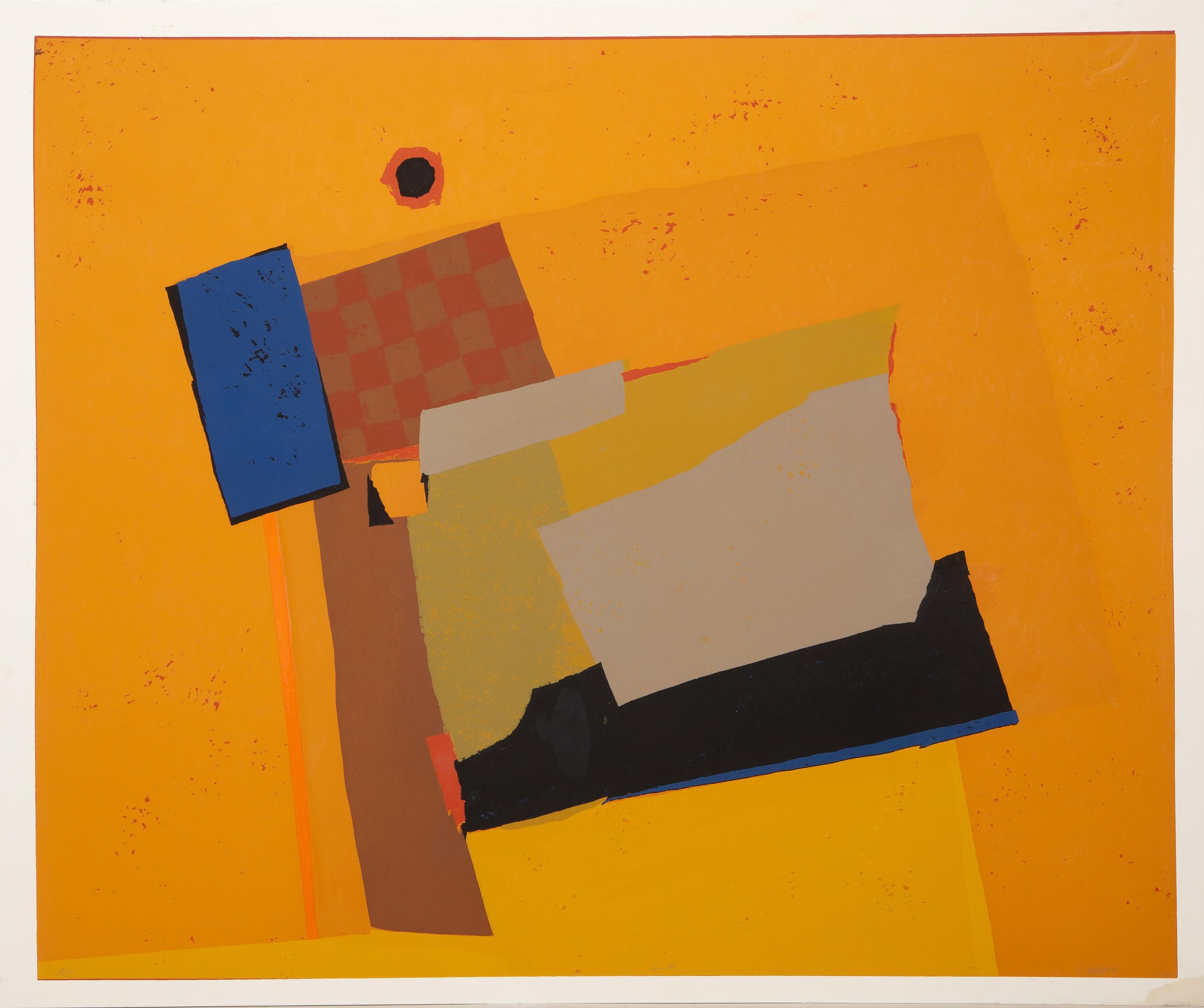
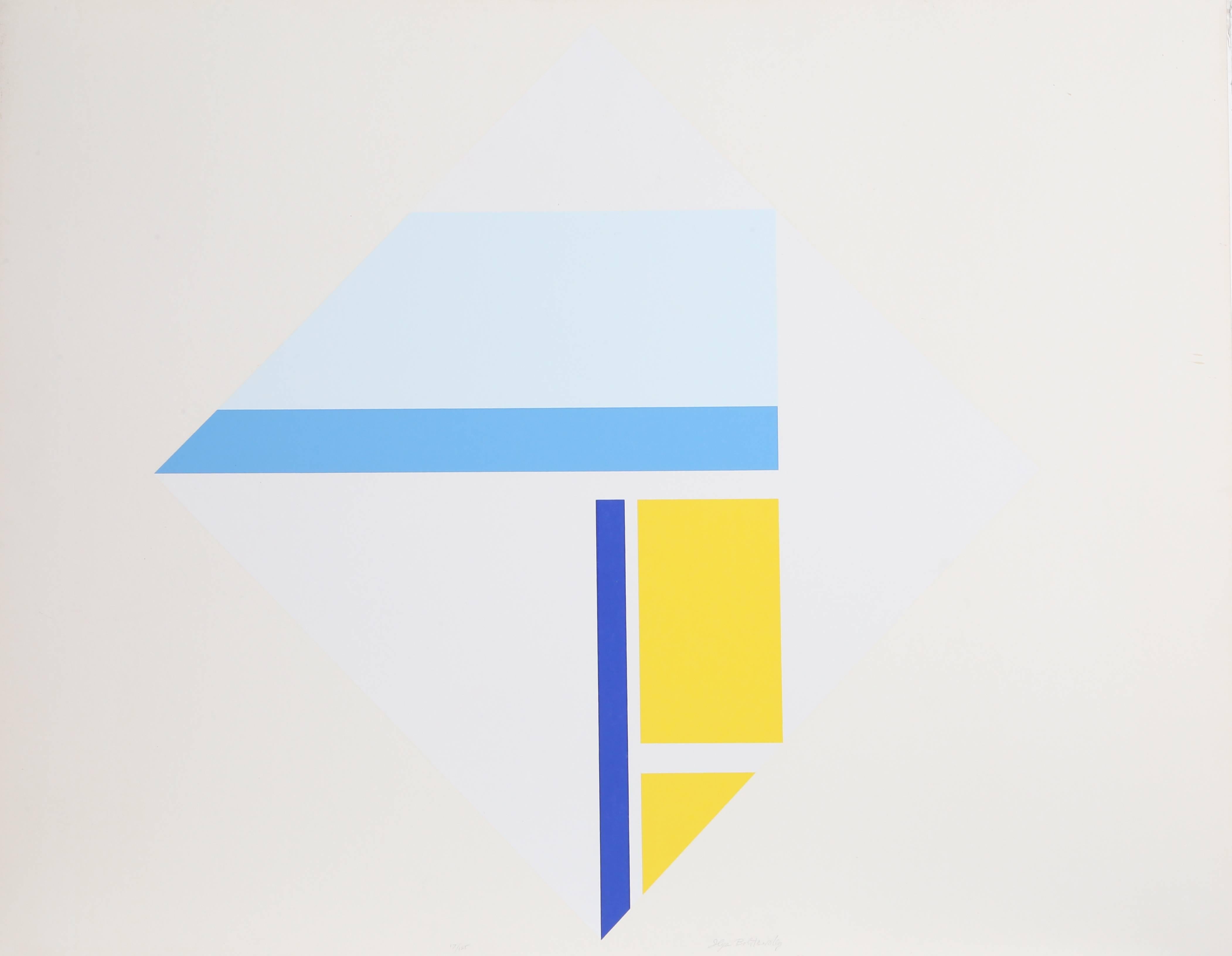
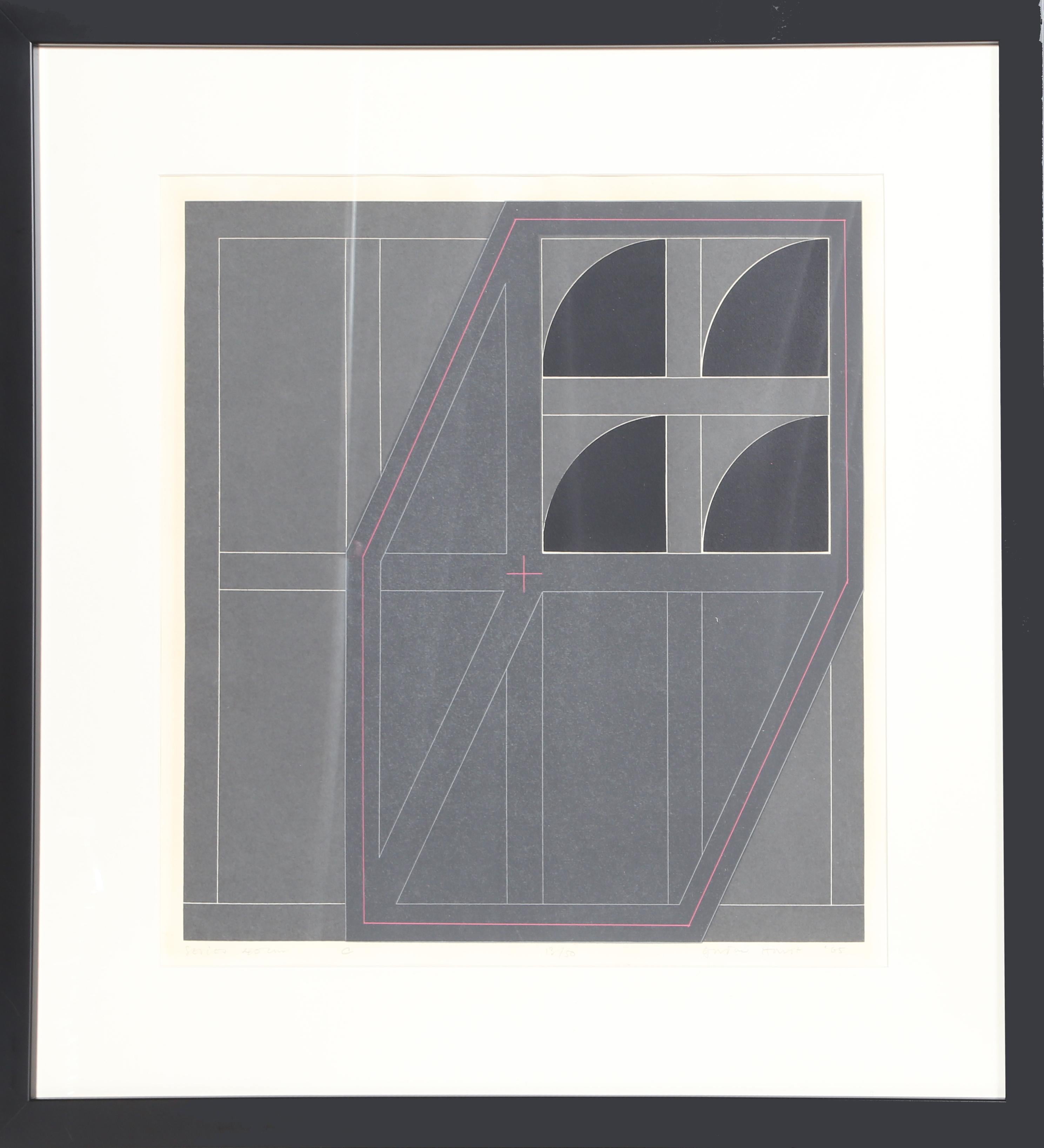
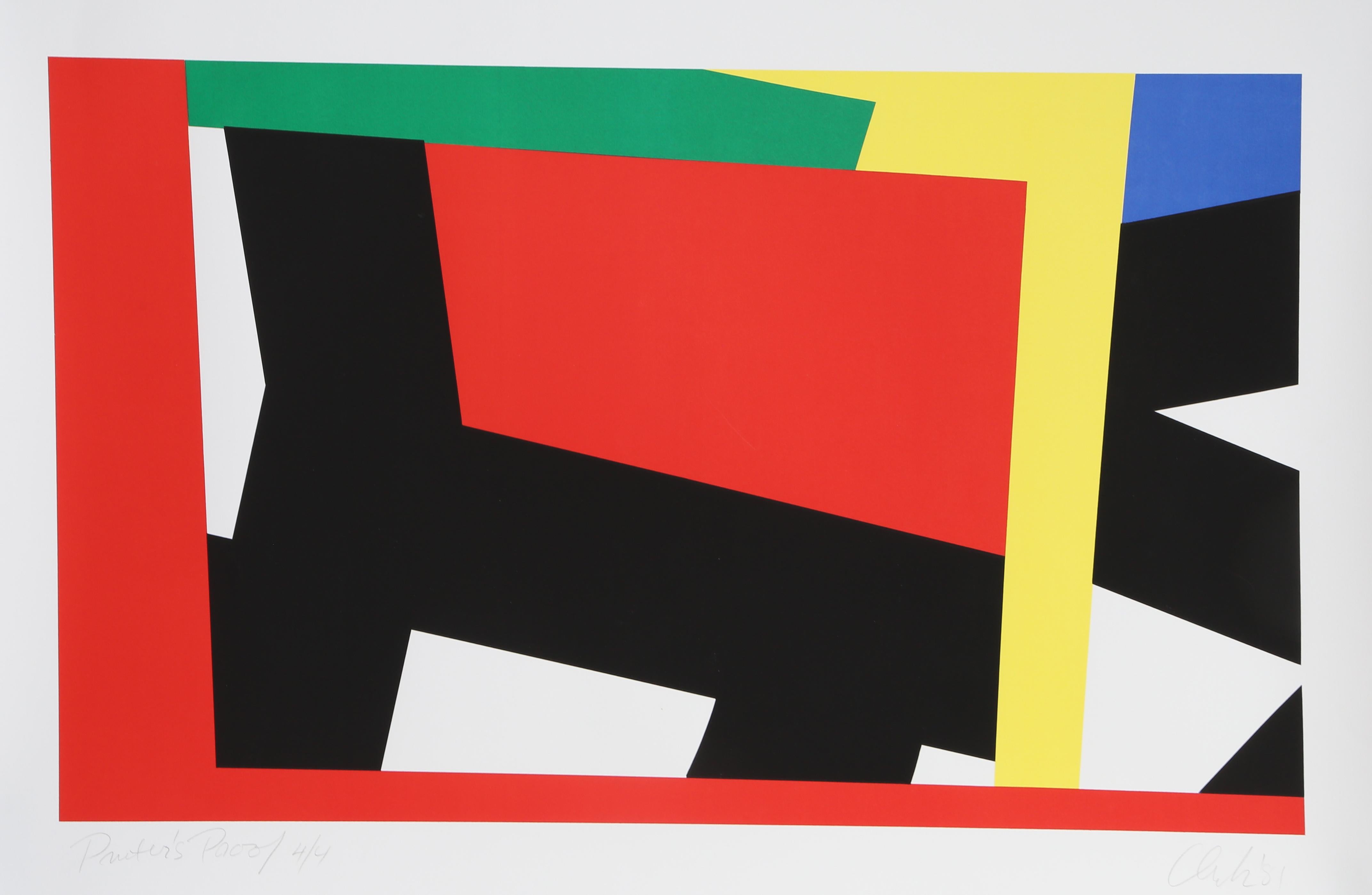
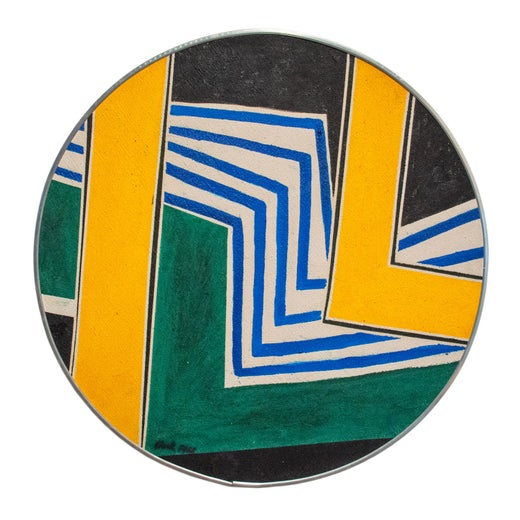
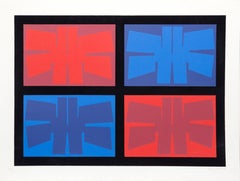
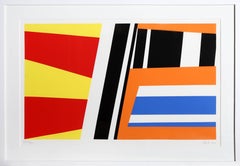
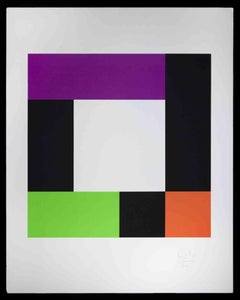
Pierre Clerk (1928) is an American artist who lives and works in New York and France. He draws his artistic references from the «painting with scissors» collage works by Matisse, the cubism of Picasso, the forms of Brancusi and van Doesburg and the Neo-Plasticism movement driven by Mondrian. Actively part of the buzzing New York artistic scene in the 1970's, Pierre Clerk's singular works are based on a very personal spatially graphic language - often going against the current of the contemporary trends of his time. While at the end of 1960's abstract expressionist painters triumph, Pierre Clerk focused on a rational approach. And if the work of the artist is much more purely formal than that of Leger for example, for whom he has a profound admiration, he retains from the master's research the interest in colour that is at the same time volume, form, and capable of transforming bodies into cogs of the great chromatic mechanics of a work. The painter looks to multiply and diffract plans. If Clerk is touched by Newman or Rothko's painting, it is not for the expressivity of their gesture, but for their ability to play on depth by working on colour. Known as a painter as revealed by MOMA's 9th New Talent exhibition in 1956, his geometrical abstraction can also be found in his trompe-l’oeil sculptures and molecular structures of the 2000's, often reaching monumental proportions. Two major installations led this evolution in his work : Waterside Plaza (1977), supported by New York Public Art Council realized in Manhattan's East River and City Candy (1983), Toledo, Ohio. Patterns echo from the paintings to sculptures giving the work an autonomous architectural identity. It has been said that Pierre Clerk paints like a sculptor and sculpts like a painter.