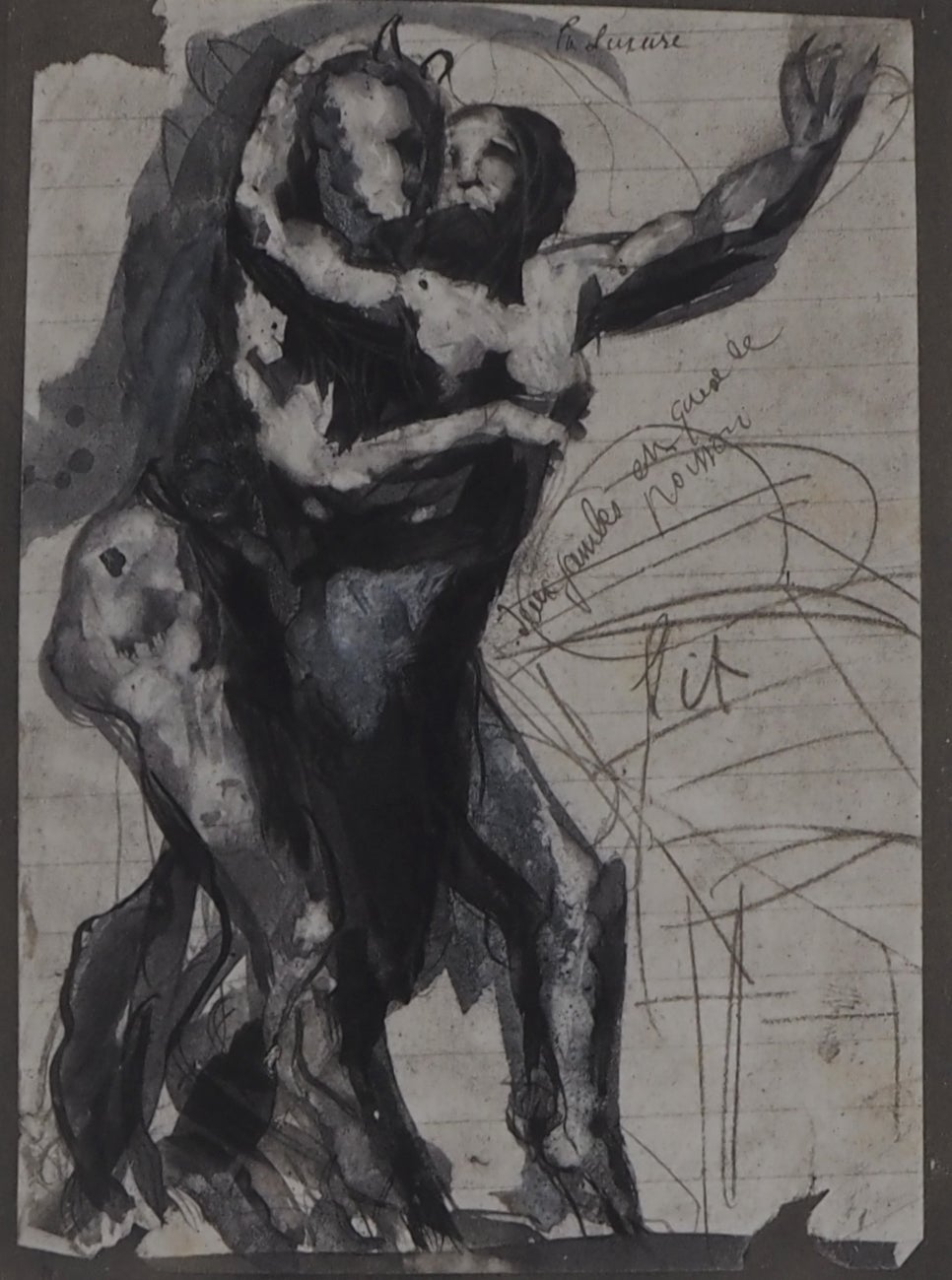
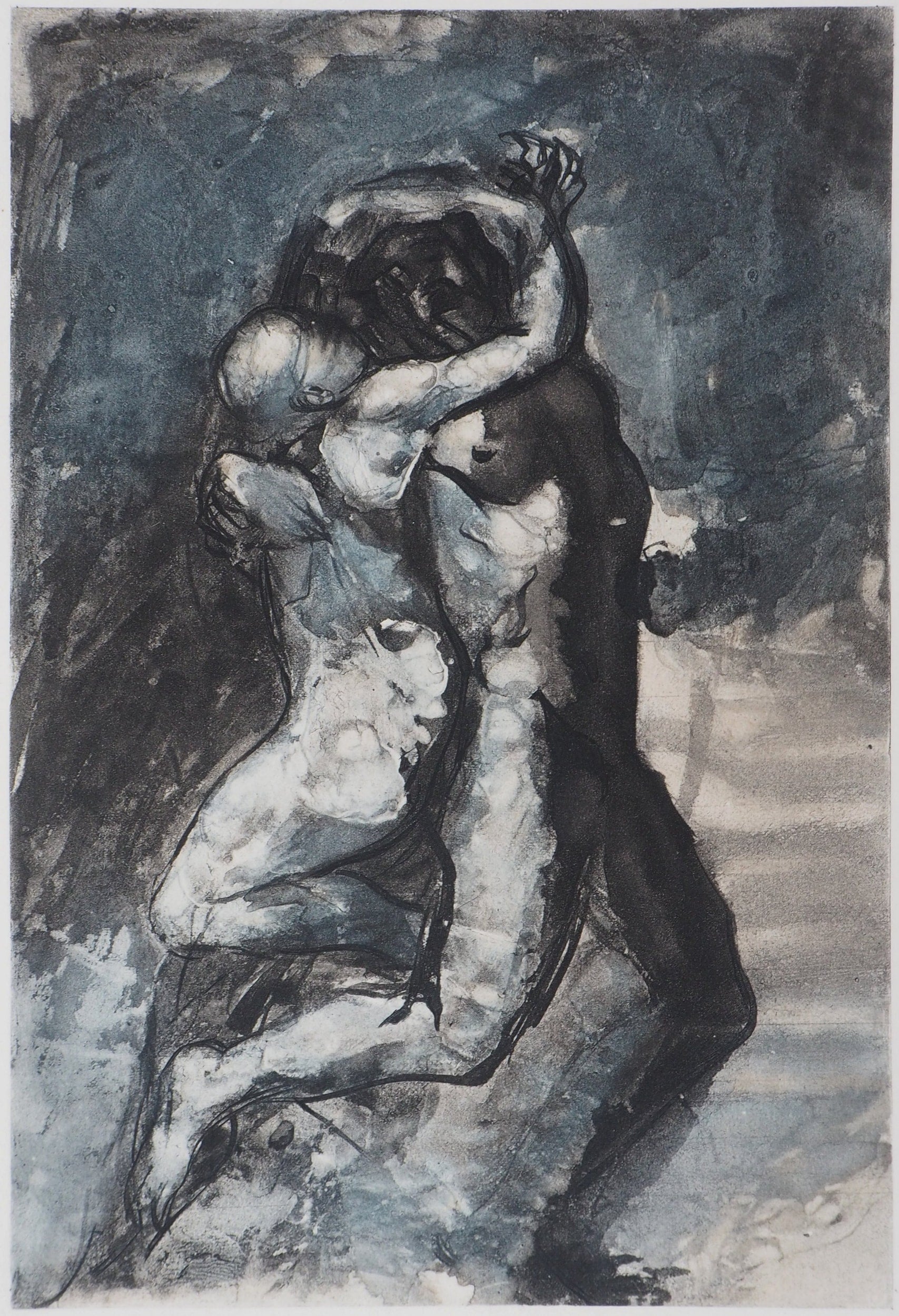
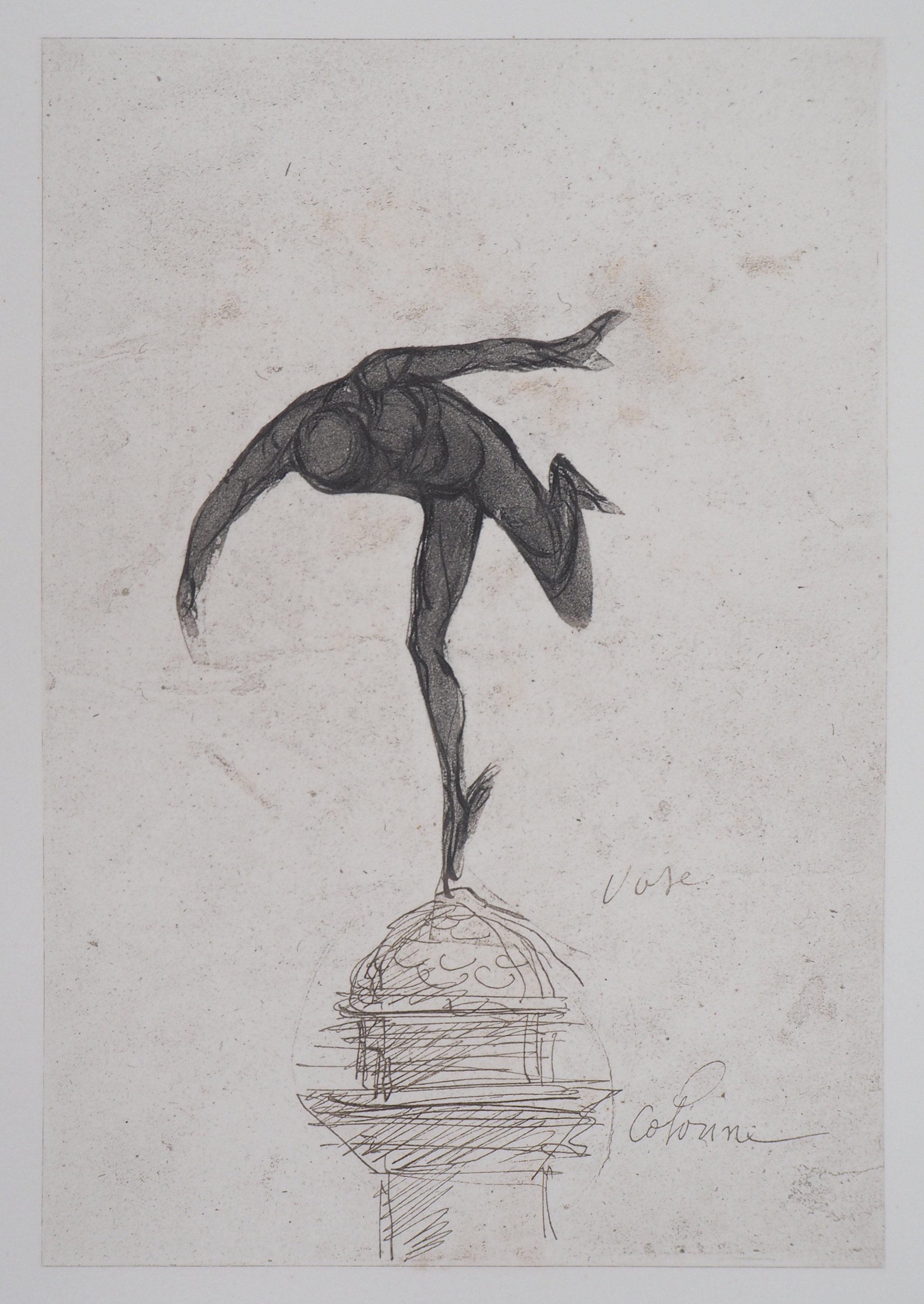
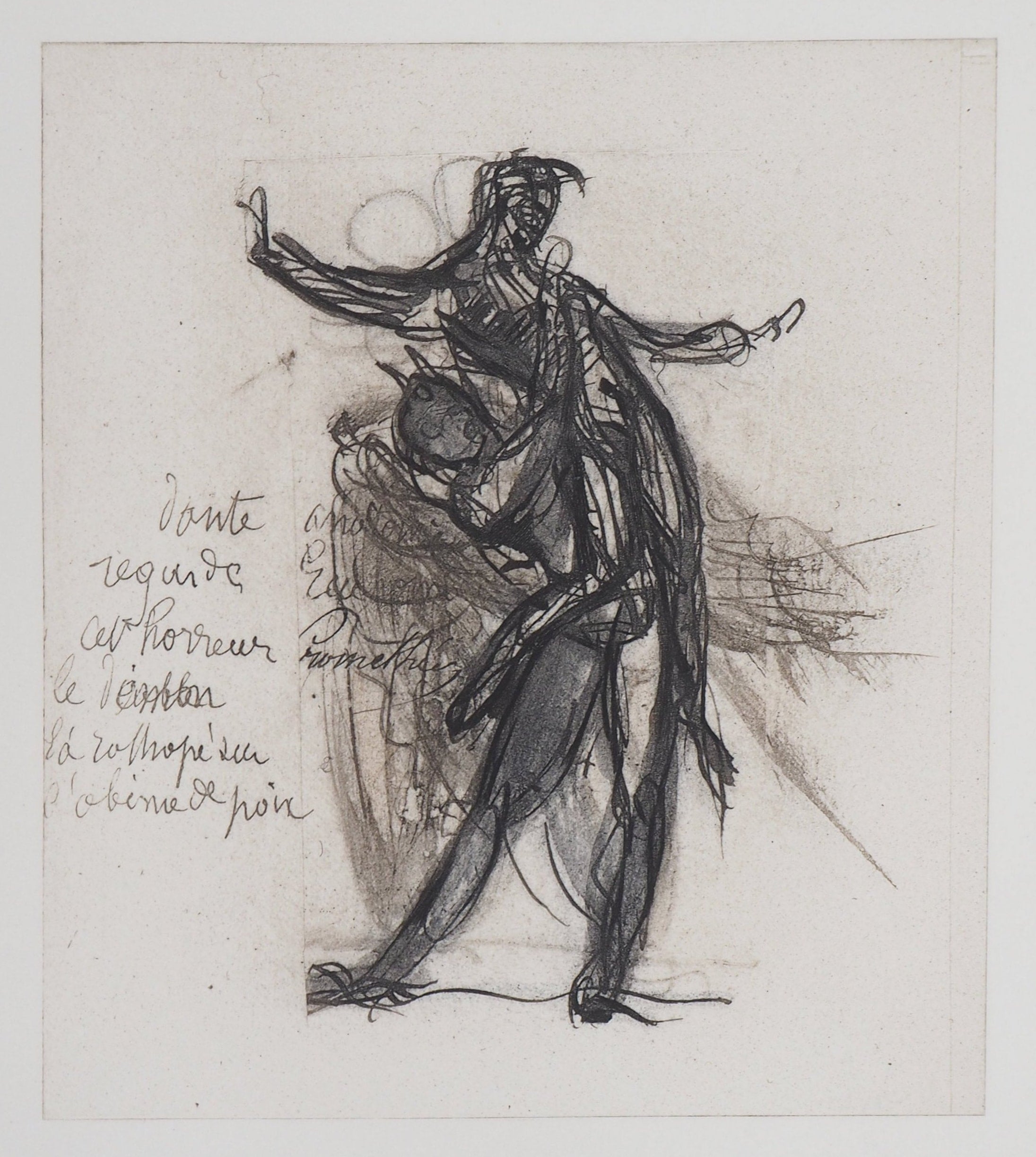
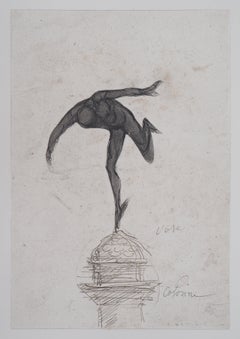
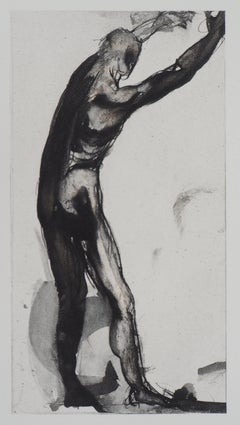
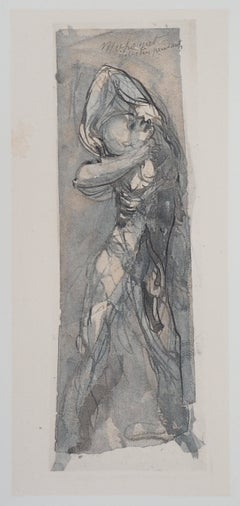
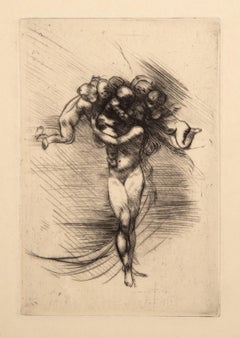
(after) Auguste Rodin
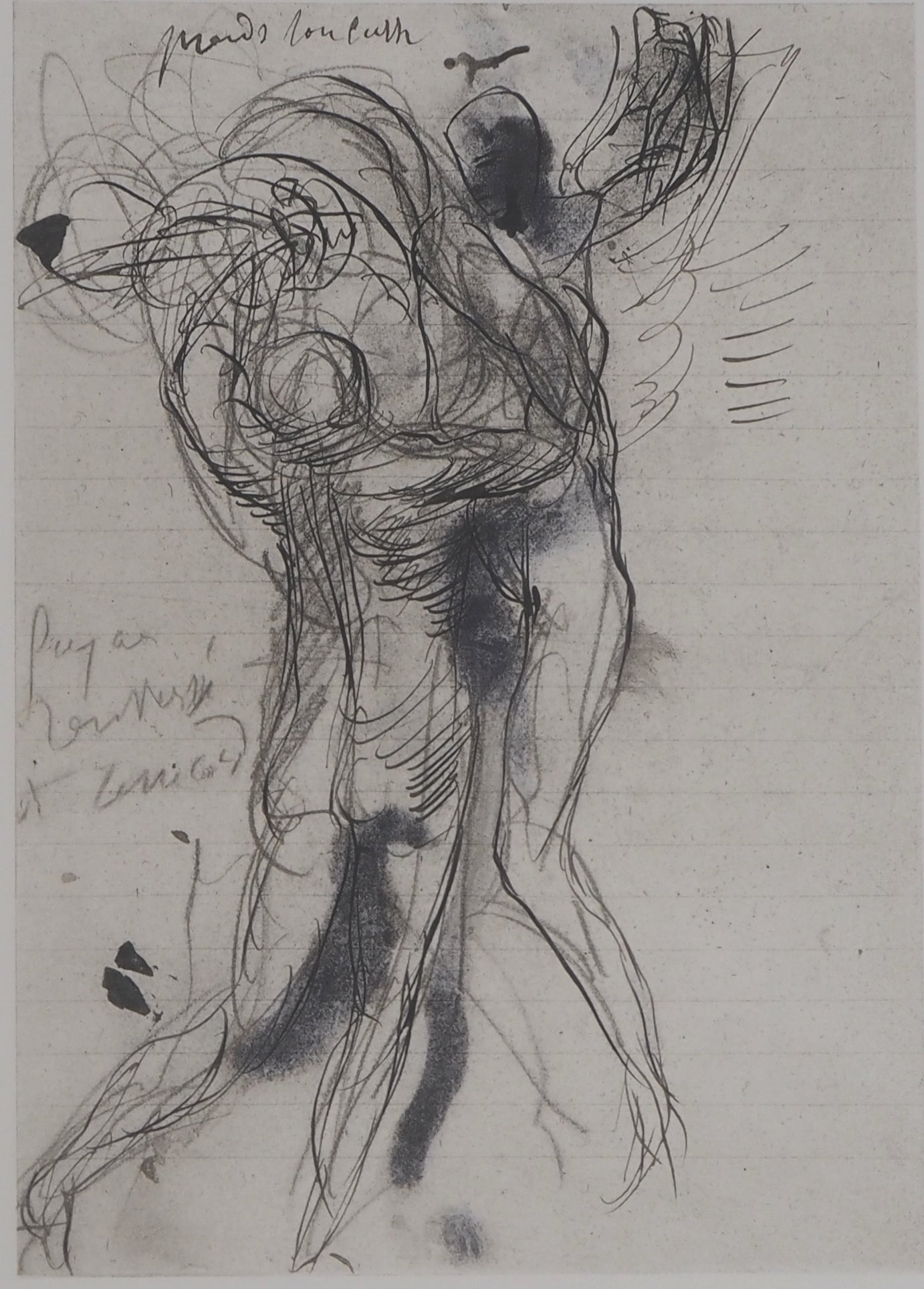
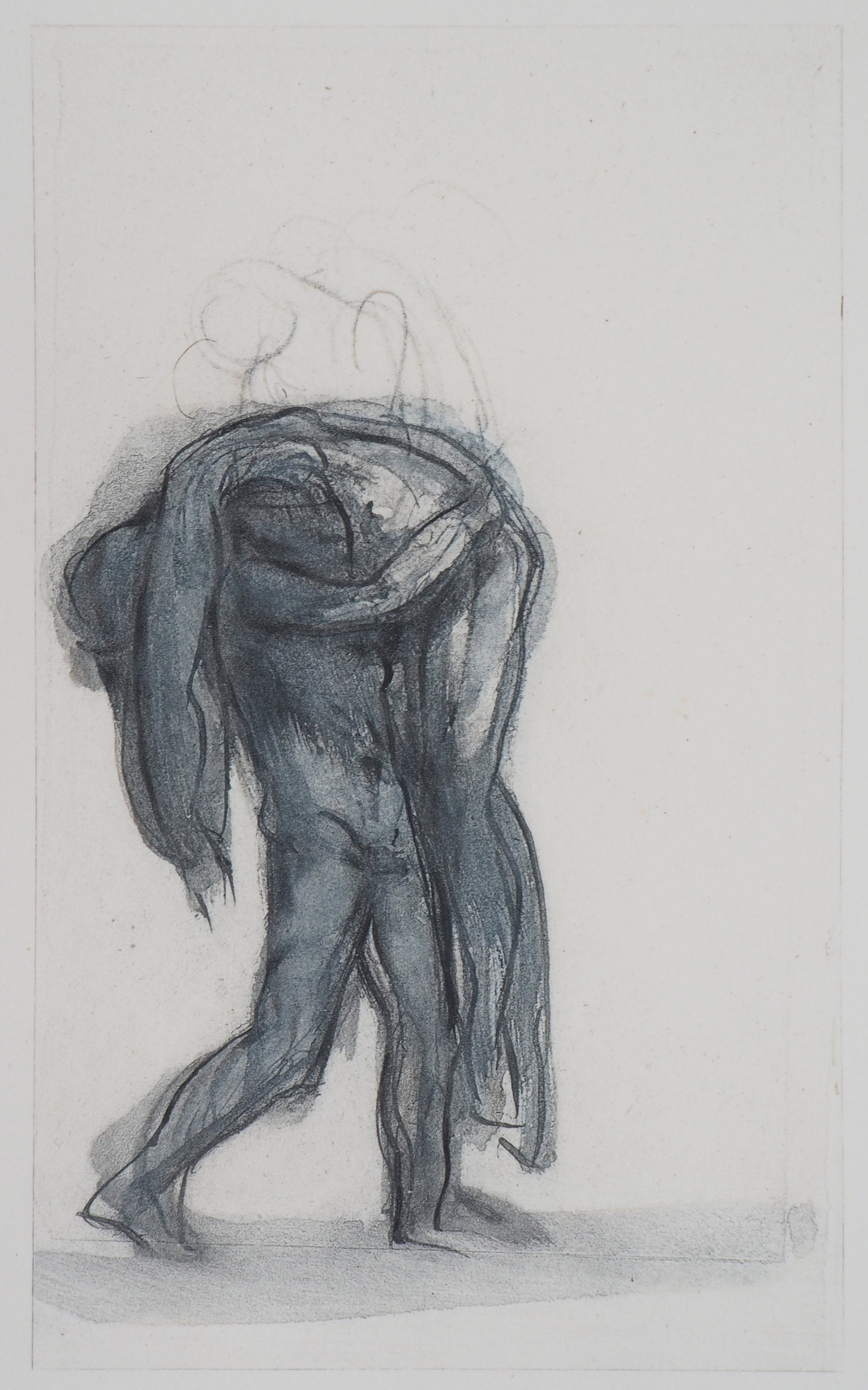
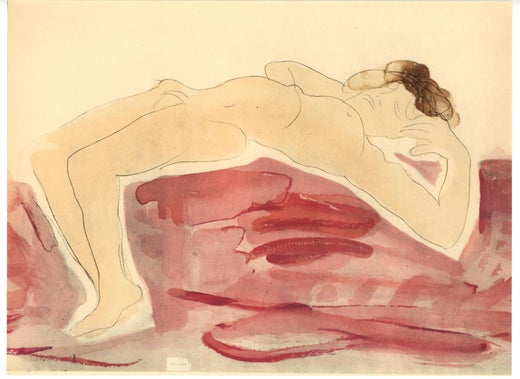
A Frenchman whose modernist style redefined sculpture in the 19th century, Auguste Rodin moved it from Academic and Neo-Classical to Impressionism and Realism. In fact, he did work that was so life-like, he was accused of making casts from live bodies. He also dealt with erotic and political themes that spoke of contemporary issues eschewed as inapprpriate by fine art academics of his era. Of working with the human form, he said: "In front of a model, I work with as great a wish to reproduce that truth as if I were making a portrait. I do not correct nature but incorporate myself in it. It guides me. I can only work with a model. The sight of the human form sustains and stimulates me. I have a boundless admiration for the naked body---I worship it. I tell you flatly, I am totally devoid of ideas when I have nothing to copy, but as soon as I see nature showing me shapes, I find something worth saying. (Cahmpigneulle 104) In Rodin's later years, he received numerous honors including from Oxford University and from the French government such as the Grand Officer of the Legion of Merit. Many books were written about him and he became an internationally renowned figure. He worked regularly during most of his life, and died in 1917 at age 77, having been weakened a year earlier by a stroke.