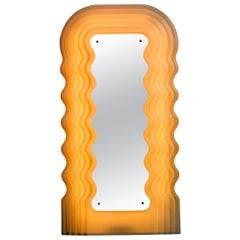
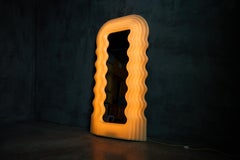
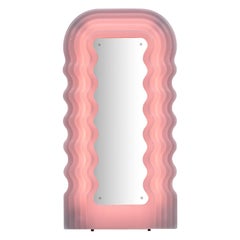
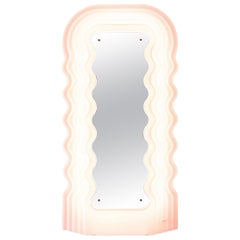
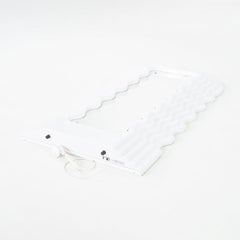
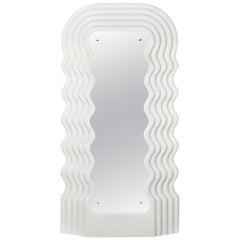
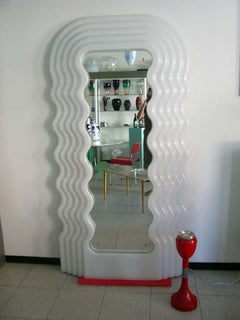
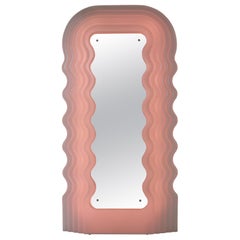
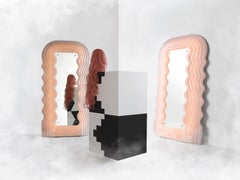
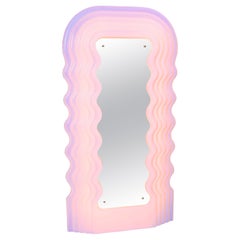
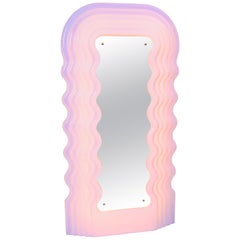
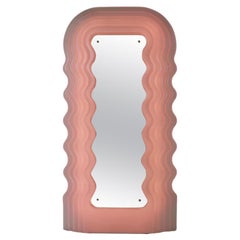
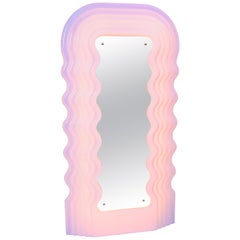
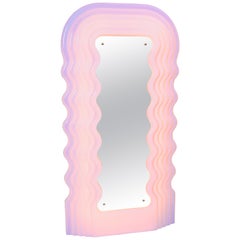
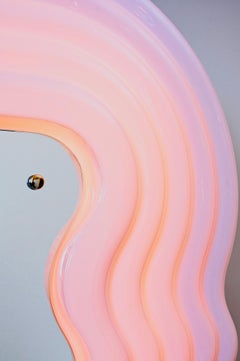
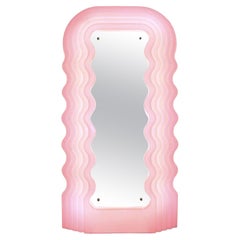
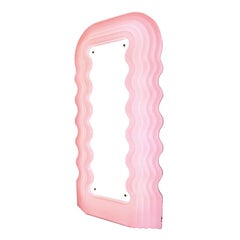
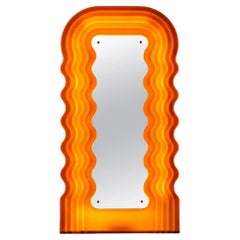
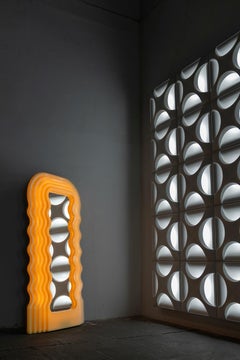
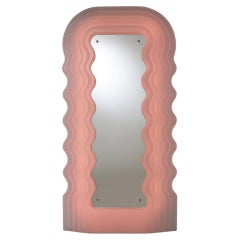
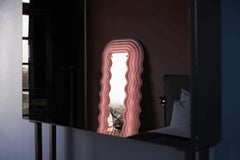
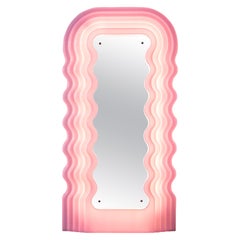
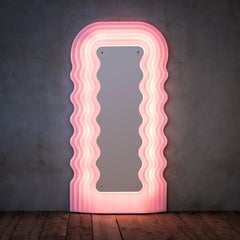
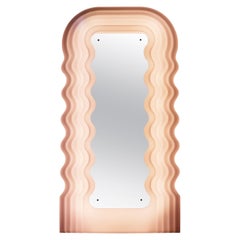
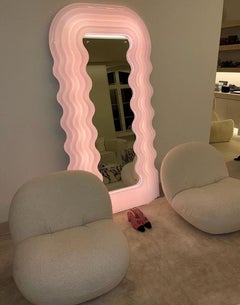
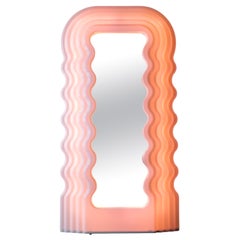
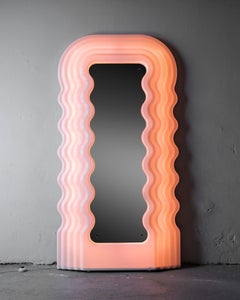
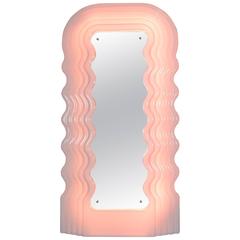
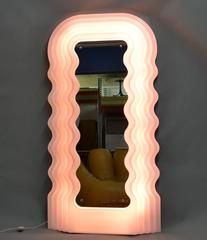
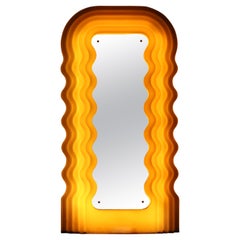
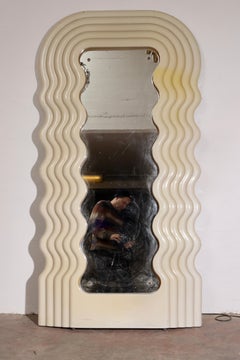
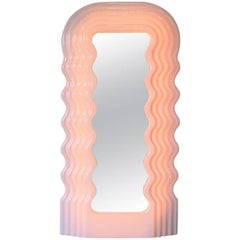
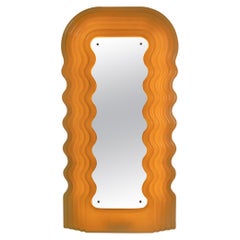
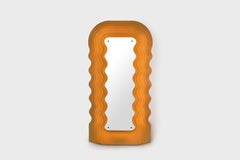
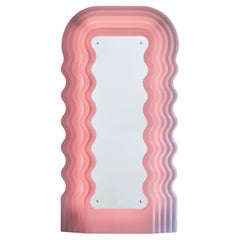
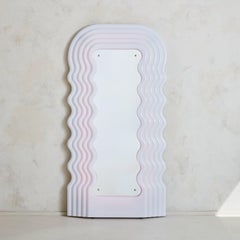
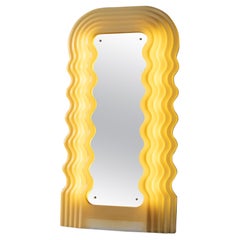
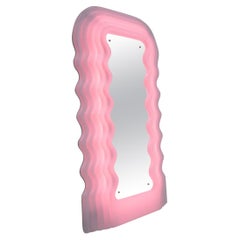
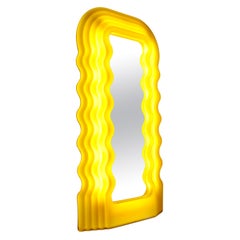
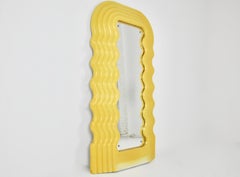
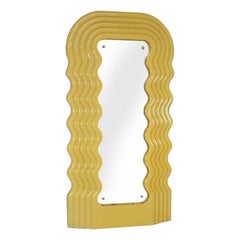
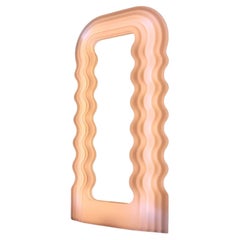
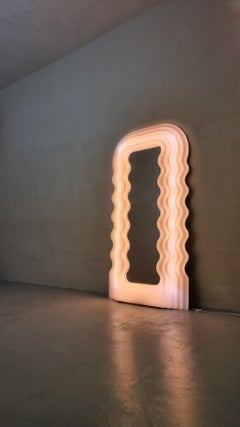
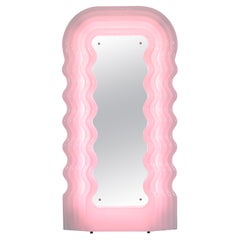
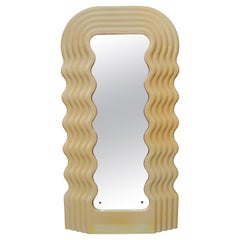
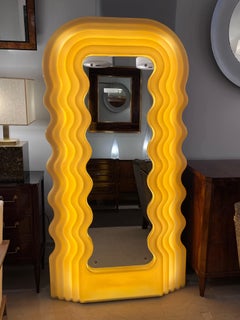
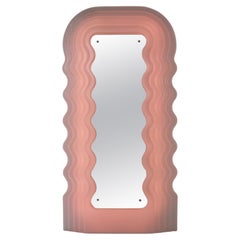
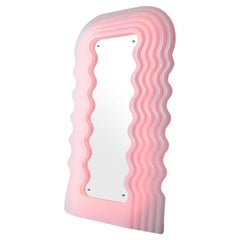
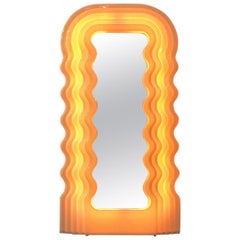
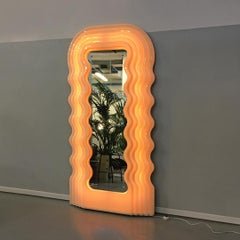
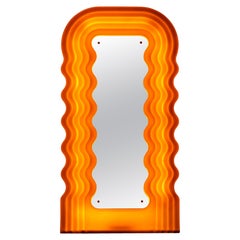
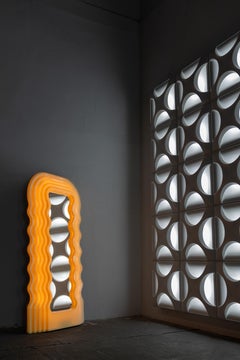
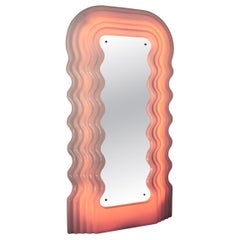
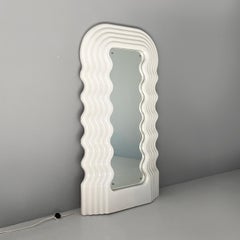
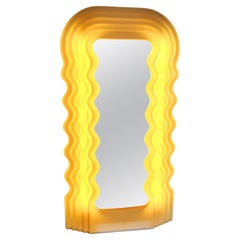
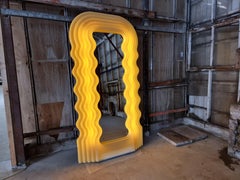
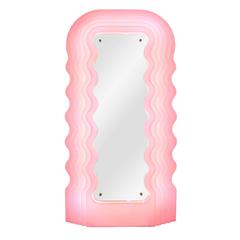
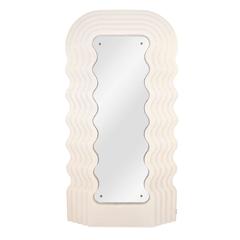
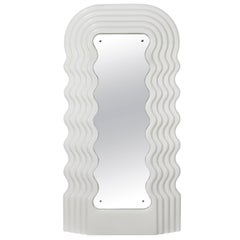
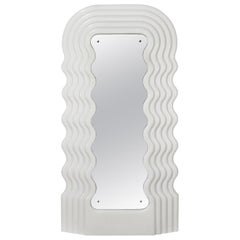
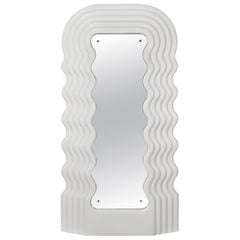
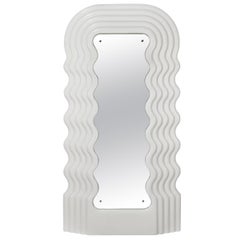
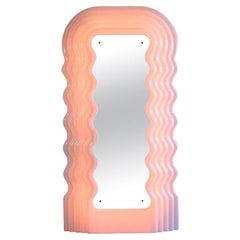
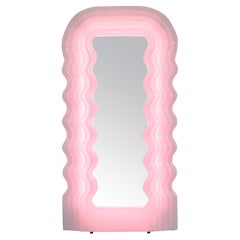
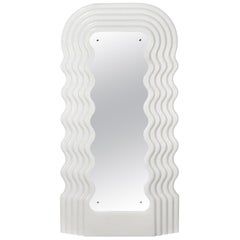
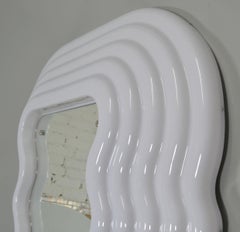
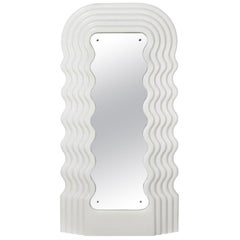
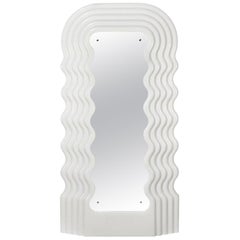
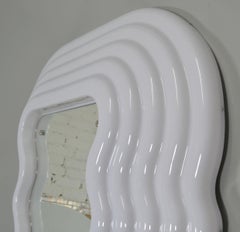
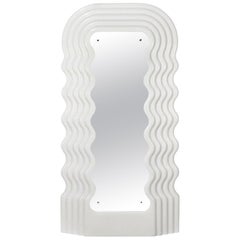
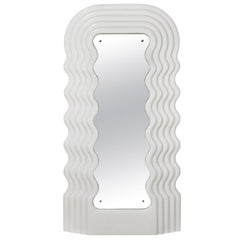
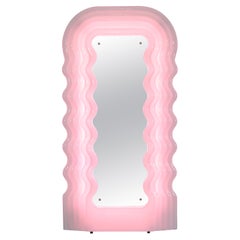
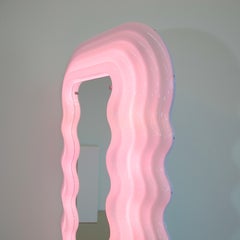
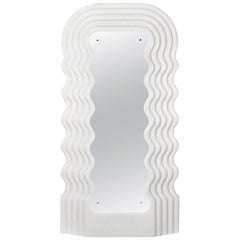
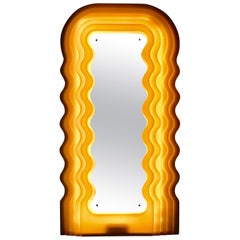
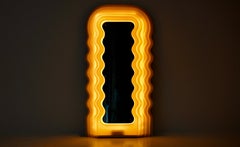
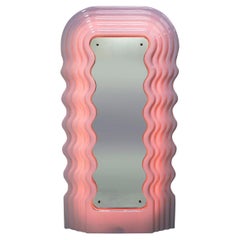
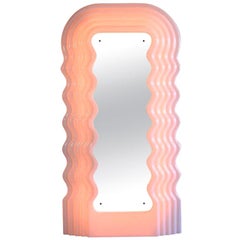
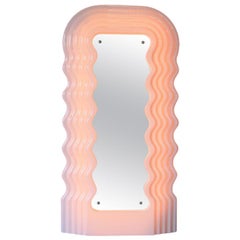
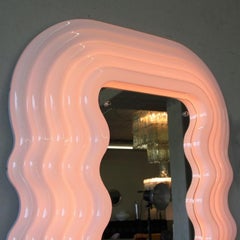
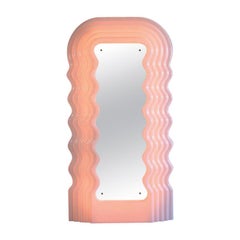
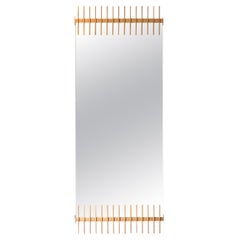
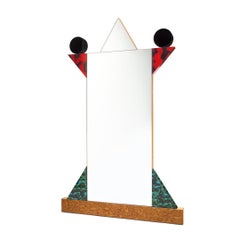
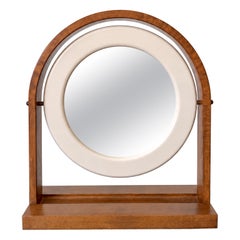
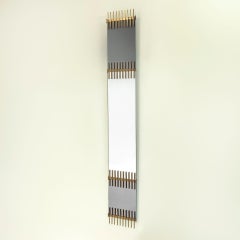
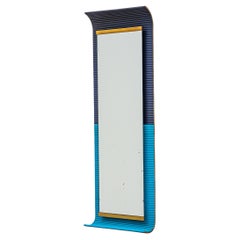
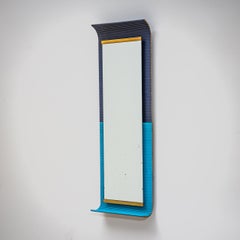
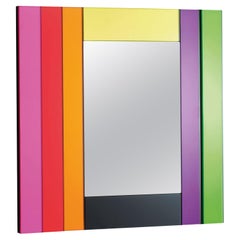
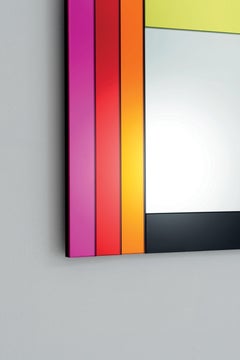
Most mirrors are meant to be looked in, but vintage Ultrafragola mirrors are meant to be looked at.
As part of Ettore Sottsass’s “I Mobile Grigi” series for the third edition of the Eurodomus trade show, the Ultrafragola mirror, the name of which translates to “ultra strawberry” in Italian, was designed in 1970. It was a precursor to the Italian architect and designer's best-known accomplishment: the 1981 founding of his collective the Memphis Group (Milan, not Tennessee), which embraced Pop art and exhibited a flashy unorthodox sensibility.
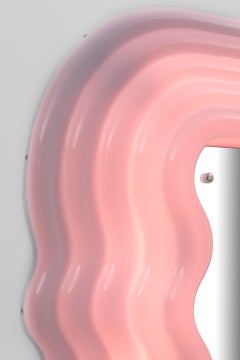
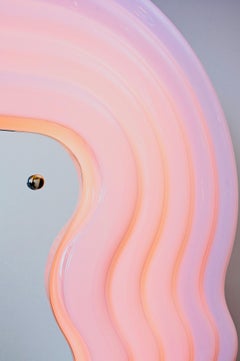
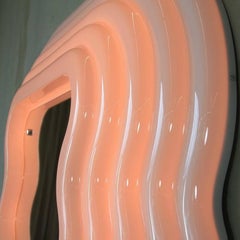
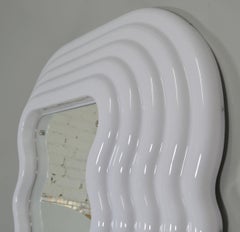
The Ultrafragola embodies many of Memphis’s postmodern ideals. With its cheap plastic shell — made of vacuum-formed opaline acrylic — this playful and flamboyant piece challenged modernist design’s clean lines and austere shapes at the time.
“Ettore Sottsass was as much a poet and an artist as he ever was a seasoned industrial designer,” says Keith Johnson, president and director of Brooklyn-based design gallery Urban Architecture. “Sottsass loved womankind — not in a prurient manner but entirely in keeping with the great Italian Romantic writers and Symbolist poets. I’ve always maintained that love permeated all of his life’s work.”
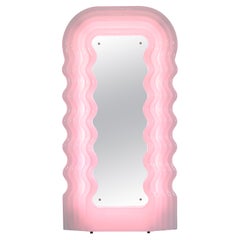
Italy’s Poltronova still manufactures the Ultrafragola mirror today. And it’s seeing a revival thanks to its made-for-social-media aesthetic and growing favor among celebrities and contemporary interior designers. Indeed, the Memphis style is having a beautiful, bold, neon-colored comeback.
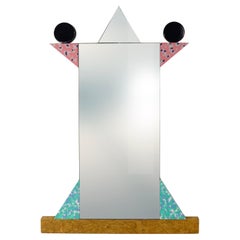
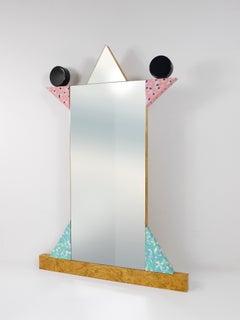
Find Ultrafragola mirrors and other Ettore Sottsass mirrors on 1stDibs.
An architect, industrial designer, philosopher and provocateur, Ettore Sottsass led a revolution in the aesthetics and technology of modern design in the late 20th century. He was a wild man of the Radical Design movement that swept Italy in the late 1960s and ’70s, rejecting rationalism and modernism in favor of ever-more outrageous imaginings in lighting and furniture such as mirrors, lamps, chairs and tables.
Sottsass was the oldest member of the Memphis Group — a design collective, formed in Milan in 1980, whose irreverent, spirited members included Alessandro Mendini, Michele de Lucchi, Michael Graves and Shiro Kuramata. All had grown disillusioned by the staid, black-and-brown “corporatized” modernism that had become endemic in the 1970s. Memphis (the name stemmed from the title of a Bob Dylan song) countered with bold, brash, colorful, yet quirkily minimal designs for furniture, glassware, ceramics and metalwork.
The Memphis Group mocked high-status by building furniture with inexpensive materials such as plastic laminates, decorated to resemble exotic finishes such as animal skins. Their work was both functional and — as intended — shocking.
Even as it preceded the Memphis Group's formal launch, Sottsass's iconic Ultrafragola mirror — in its conspicuously curved plastic shell and radical pops of pink neon — embodies many of the collective's postmodern ideals.
Sottsass created innovative furnishings for the likes of Artemide, Knoll, Zanotta and Poltronova, where he reigned as artistic director for nearly two decades beginning in 1958. His most-recognized designs appeared in the first Memphis collection, issued in 1981 — notably the multihued, angular Carlton room divider and Casablanca bookcase. As pieces on 1stDibs demonstrate, however, Sottsass is at his most inspired and expressive in smaller, secondary furnishings such as lamps and chandeliers, and in table pieces and glassware that have playful and sculptural qualities.
Sottsass left the Memphis Group in 1985 in order to concentrate on the growth of Sottsass Associati, a design and architecture consultancy he cofounded in 1980.
It was as an artist that Sottsass was celebrated in his life, in exhibitions at the Los Angeles County Museum of Art, in 2006, and the Philadelphia Museum of Art a year later. Even then Sottsass’s work prompted critical debate. And for a man whose greatest pleasure was in astonishing, delighting and ruffling feathers, perhaps there was no greater accolade. That the work remains so revolutionary and bold — that it breaks with convention so sharply it will never be considered mainstream — is a testament to his genius.
Find Ettore Sottsass lighting, decorative objects and furniture for sale on 1stDibs.
Arguably the world’s most ubiquitous man-made material, plastic has impacted nearly every industry. In contemporary spaces, new and vintage plastic furniture is quite popular and its use pairs well with a range of design styles.
From the Italian lighting artisans at Fontana Arte to venturesome Scandinavian modernists such as Verner Panton, who created groundbreaking interiors as much as he did seating — see his revolutionary Panton chair — to contemporary multidisciplinary artists like Faye Toogood, furniture designers have been pushing the boundaries of plastic forever.
When The Graduate's Mr. McGuire proclaimed, “There’s a great future in plastics,” it was more than a laugh line. The iconic quote is an allusion both to society’s reliance on and its love affair with plastic. Before the material became an integral part of our lives — used in everything from clothing to storage to beauty and beyond — people relied on earthly elements for manufacturing, a process as time-consuming as it was costly.
Soon after American inventor John Wesley Hyatt created celluloid, which could mimic luxury products like tortoiseshell and ivory, production hit fever pitch, and the floodgates opened for others to explore plastic’s full potential. The material altered the history of design — mid-century modern legends Charles and Ray Eames, Joe Colombo and Eero Saarinen regularly experimented with plastics in the development of tables and chairs, and today plastic furnishings and decorative objects are seen as often indoors as they are outside.
Find vintage plastic lounge chairs, outdoor furniture, lighting and more on 1stDibs.
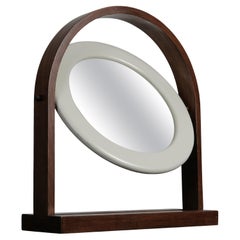
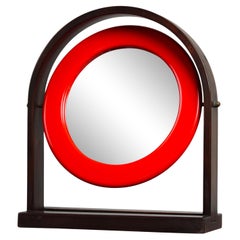
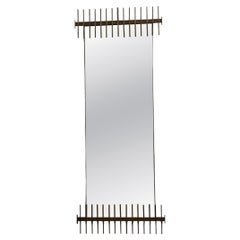
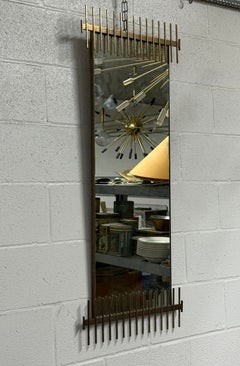
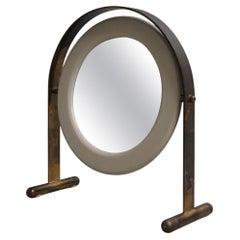
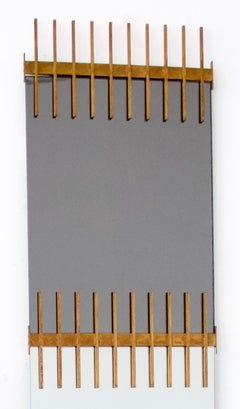
Vintage mirrors have long been a measure of craftsmanship, from gilded Rococo frames to the sunburst shapes that became a signature of mid-century design.
Styles to Know
An arched or sunburst mirror reads more decorative, while a plain rectangular frame lets the room around it stand out. Hang one above a vintage vanity or a mid-century modern dresser, or lean a larger floor mirror against the wall as a standalone piece.
How to Choose the Right Vintage Mirror
Foxing and an aged frame usually read as character rather than damage, worth weighing against a listing's condition notes. For placement ideas, our 12 dramatic mirrors feature is a good place to start. Each piece comes from a vetted 1stDibs seller, with era and designer on record, and the 1stDibs Promise covers each purchase.