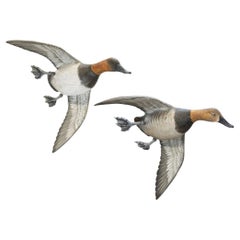
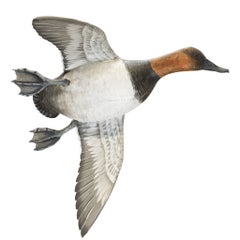
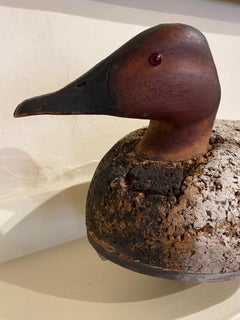
Vintage, new and antique decoys have become fashionable decor in modern homes.
The history of decoy ducks, shorebirds, geese and other waterfowl as part of the folk art tradition stretches back thousands of years. Tule duck decoys made between 400 B.C. and 100 A.D. by Indigenous people for use in hunting have been found in Nevada that are similar to decoys still in use today.
Waterfowl decoys are now often made of plastic and foam, but vintage duck decoys from the mid-19th to early 20th century were frequently made of wood. Canvas duck decoys were popularized from the 1920s to ’40s as a lightweight alternative. These folk art pieces feature hand-painted feathers and long, flat bodies, lending themselves well to display in living rooms on shelves and in cabinets.
One of the fascinating aspects of handcrafted waterfowl decoys is their regional variation to match the local birds. For example, German decoys are regularly decorated with green and gray paints, making them look like mallard ducks. Scandinavian decoys are typically black and white, resembling the common eider.
Either option could be a rustic treasure for one’s home, adding a touch of eclectic art to any room. Browse antique, new and vintage decoys on 1stDibs today.