Want more images or videos?
Request additional images or videos from the seller.

Majestic Prancing Horse, Tang Dynasty, China '618-907 AD', TL Test by Kotalla

$23,125
£17,825.10
€21,322.53
CA$33,630
A$34,669.95
CHF 19,699.17
MX$438,858.29
NOK 225,583.18
SEK 236,326.32
DKK 159,398.81

About the Item

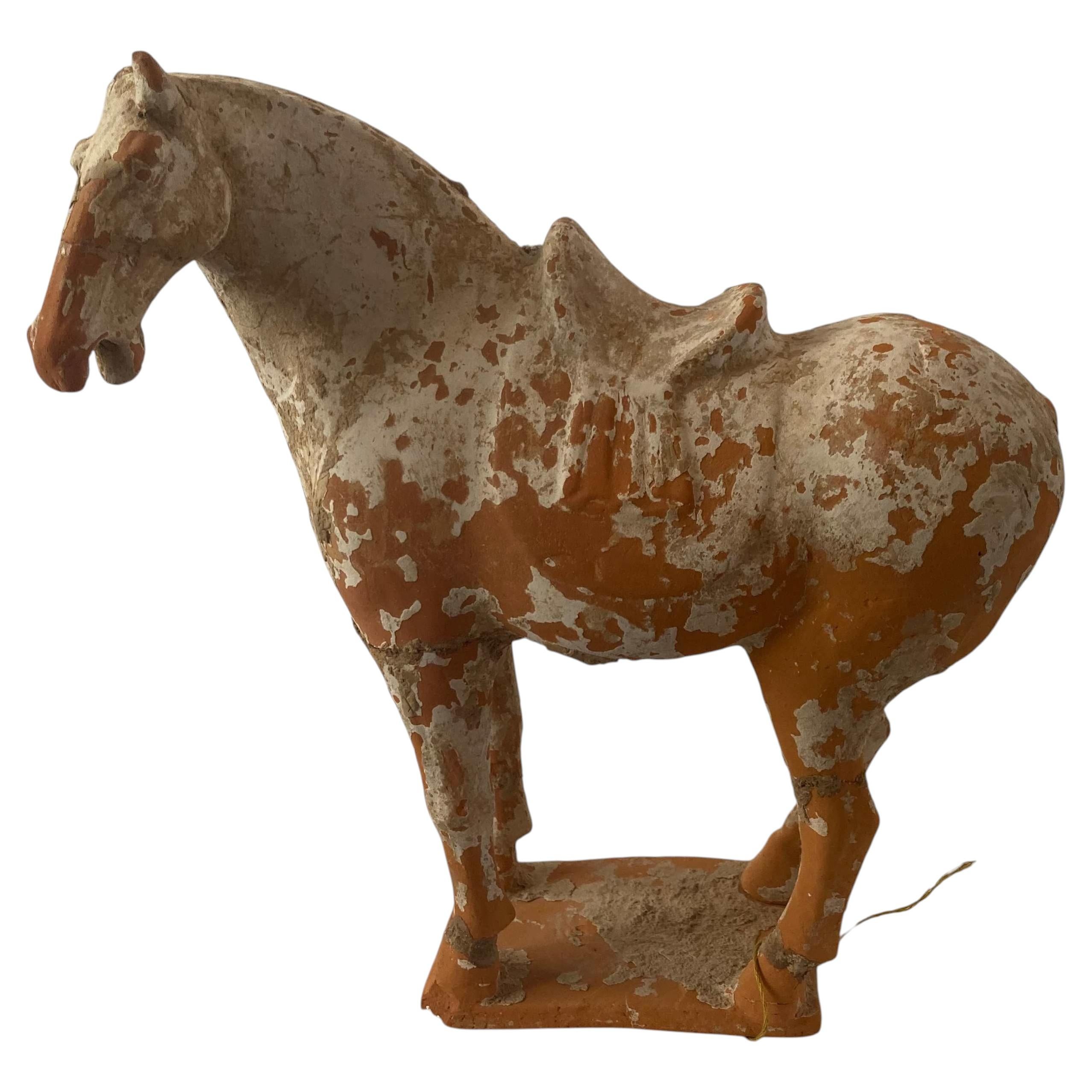
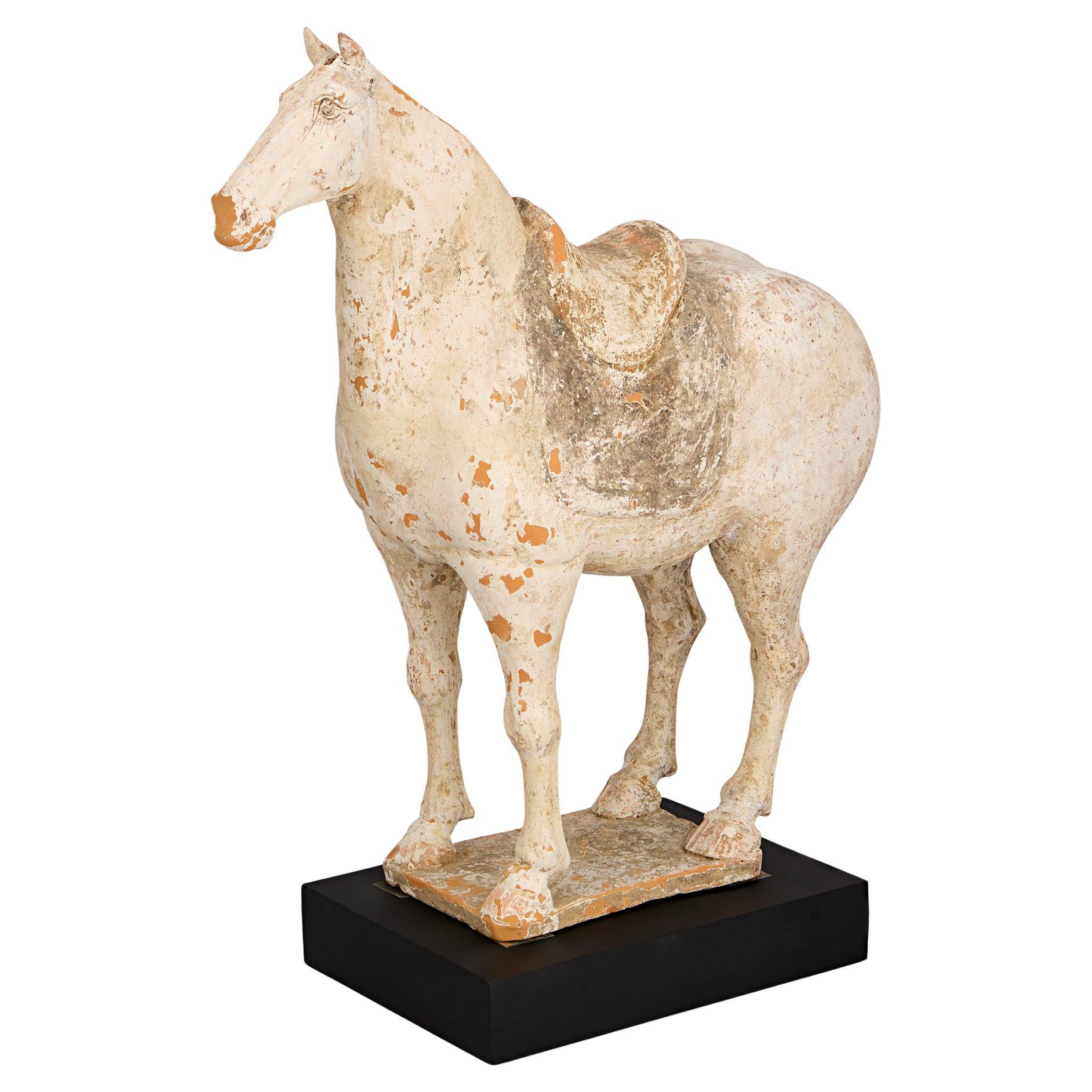
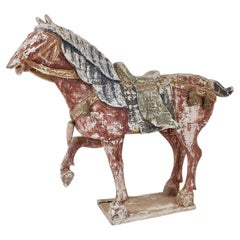
Magnificent prancing horse in orange terracotta with traces of polychrome paint. Springing its right leg with a lively position and an expressive look. With a finely decorated saddle. This piece is provided with a Thermoluminescence Test from Ralph Kotalla Lab NE: 15K120504 (Worldwide oldest private laboratory specialized for genuine analyses) in Germany. War horses were the pride of the Tang (AD 618-907), a dynasty of prosperity, military expansion and artistic achievement. As sculpture, they have timeless appeal, their stylised arched necks, pricked ears and heavy torsos exude confidence, distinction and charm. It was during the "golden age" of Chinese art that the horse statue became a true work of art. The Tang dynasty was a period of peace and prosperity with traders venturing further than ever before. Returning home they brought back western fashions and traditions which were quickly embraced by the upper classes. Movement had been introduced on a grand scale for the first time in the history of Mingqi; horses pawing the ground head down and mouth open became more common. Large, exquisite walking Ferghana horses with great attention paid to anatomical detail were the choice of the wealthy. The horse was second only in importance to the dragon. It was supposed to possess magical powers which the early Chinese were eager to explore. It would be the horse that would carry the deceased to the next life and it would be the amount of horses that an individual owned that would guarantee his ongoing status in the next life.
  • Dimensions:
    Height: 18.75 in (47.63 cm)Width: 19.66 in (49.94 cm)Depth: 7 in (17.78 cm)
  • Style:
    Tang (Of the Period)
  • Materials and Techniques:
  • Place of Origin:
  • Period:
  • Date of Manufacture:
    618-907 AD
  • Condition:
    Wear consistent with age and use.
  • Seller Location:
    San Pedro Garza Garcia, MX
  • Reference Number:
    Seller: CH-0141stDibs: LU3172310923733

More From This Seller

View All
Magnificent Tang Dynasty Prancing Horse, TL Test by ASA Francine Maurer

Magnificent Tang Dynasty Prancing Horse, TL Test by ASA Francine Maurer

Located in San Pedro Garza Garcia, Nuevo Leon

Magnificent Prancing Horse in Orange Terracotta with Traces of Yellow Painting. With its Anterior right Leg raised. TL Test by ASA Francine Maurer Laboratory. It was during the "gol...

Category

Antique 15th Century and Earlier Chinese Tang Antiquities

Materials

Terracotta

Stunning Terracotta Standing Horse, Tang Dynasty, China '618-907 AD', TL Test

Stunning Terracotta Standing Horse, Tang Dynasty, China '618-907 AD', TL Test

Located in San Pedro Garza Garcia, Nuevo Leon

Magnificent standing horse in orange terracotta and traces of painting. With a finely decorated saddle and with the mane and tail hair braided. TL Test by Ralph Kotalla Lab NE: 09K12...

Category

Antique 15th Century and Earlier Chinese Tang Antiquities

Materials

Terracotta

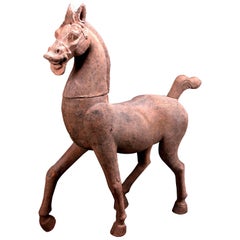
Monumental Han Dynasty Terracotta Horse - TL Tested - China, '206 BC–220 AD'

Monumental Han Dynasty Terracotta Horse - TL Tested - China, '206 BC–220 AD'

Located in San Pedro Garza Garcia, Nuevo Leon

A massive pottery horse with separately made head and tail, standing on all fours and striding with its right hoof forward. Extended snout ends in parted lips showing teeth beneath i...

Category

Antique 15th Century and Earlier Chinese Han Antiquities

Materials

Terracotta

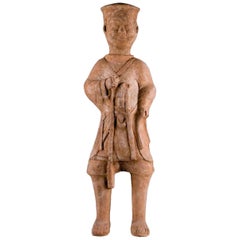
Han Dynasty Standing Horse Trainer “Palafrenieri”

Han Dynasty Standing Horse Trainer “Palafrenieri”

Located in San Pedro Garza Garcia, Nuevo Leon

Huge hollow molded terracotta, standing male figure wearing a hip-length multi-layered robe with a collared neck. Implements suspended from his waist, holding a staff in his right ha...

Category

Antique 15th Century and Earlier Han Antiquities

Materials

Terracotta

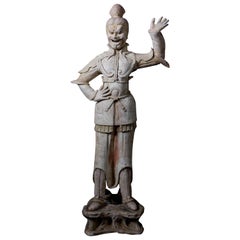
Tang Dynasty Imposing Terracota Lokapala Standing in Menacing Pose - TL Tested

Tang Dynasty Imposing Terracota Lokapala Standing in Menacing Pose - TL Tested

Located in San Pedro Garza Garcia, Nuevo Leon

Imposing Lokapala figure standing in menacing pose. Terracotta with traces of old color pigments. China, Tang dynasty (618-907 AD.) Museum piece. Lokapalas according to the Buddhist...

Category

Antique 15th Century and Earlier Tang Antiquities

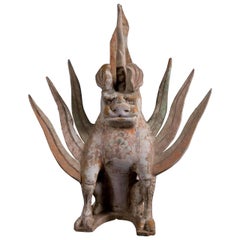
Chimera (Pixiu) Terracotta Mythological Being - Tang Dynasty, China '618-907 AD'

Chimera (Pixiu) Terracotta Mythological Being - Tang Dynasty, China '618-907 AD'

Located in San Pedro Garza Garcia, Nuevo Leon

Magnificent Mythological Being "Chimera" with Human Face and Flaming Rays Halo. Orange Terracotta with Traces of Stucco and Painting. This creature is commonly known as Pixiu. Fierc...

Category

Antique 15th Century and Earlier Chinese Tang Antiquities

Materials

Terracotta

You May Also Like

China 549-577 AD Northern Qi Dynasty Ancient Caparisoned Horse in Earthenware

China 549-577 AD Northern Qi Dynasty Ancient Caparisoned Horse in Earthenware

Located in Miami, FL

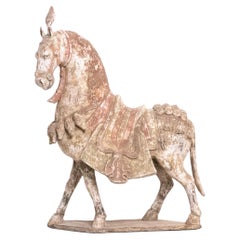
Extremely rare Chinese pottery caparisoned horse from the Northern Qi region. A beautiful large sculptural piece, created in China during the Northern Qi dynasty period, between the 549 and 577 AD. This horse statue is extremely finely modeled of earthenware pottery, standing in a very elegant and majestic position striding on a trapezoidal shaped base. The animal has a gracefully arched neck to the left looking forward and its extremely well modeled. The head is adorned with a large detailed tassels of plumes and the body is embellished with a beautiful saddle and intricate harnesses. The trapping around the chest and rump is adorned with elaborated tassels and the straps are accented with multiples florets and bosses in high relief. Decorated with dotted and circles patterns. The surface is treated with applications of natural color pigments such; red, white and others. Has a measurements of 435 mm by 319 mm by 243 mm (17.10 x 12.55 x 9.55 Inches) (43.5 x 31.9 x 24.3 Cm). Northern Qi, was the successor state of the Chinese Xianbei state of Eastern Wei...

Category

Antique 15th Century and Earlier Chinese Archaistic Antiquities

Materials

Earthenware, Clay, Paint

Ming Period Large Pottery Horse with Saddle (15-16th Century)

Ming Period Large Pottery Horse with Saddle (15-16th Century)

Located in seoul, KR

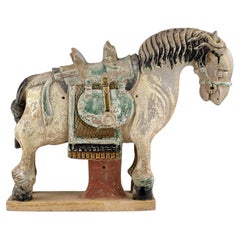
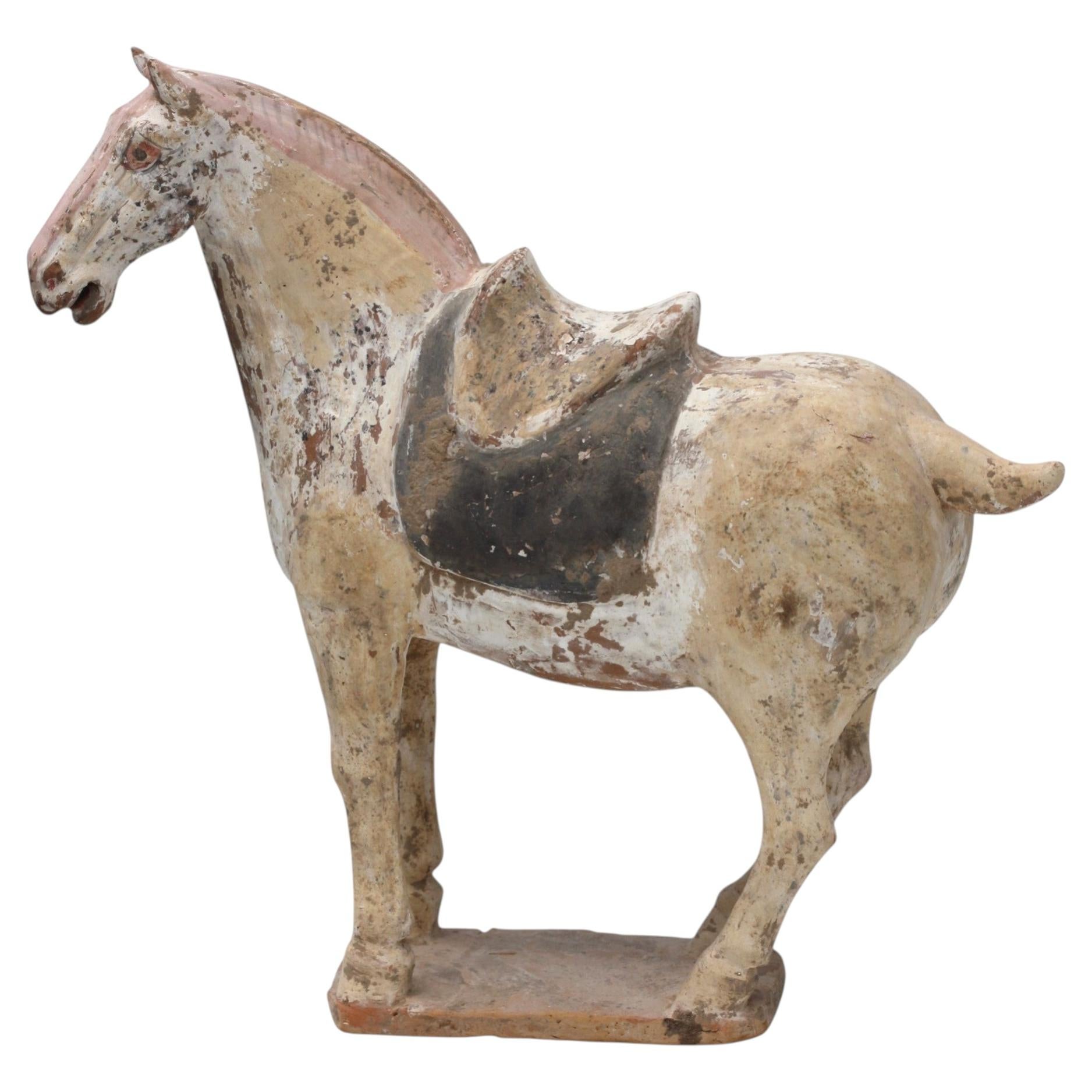
The figure stands on a rectangular base. The horse is depicted in a poised stance, with strong, muscular legs and a slightly bowed head. The mane is carefully sculpted with deep, flowing grooves, adding a dynamic texture to the piece. The head features expressive details, including a well-defined muzzle, flared nostrils. The bridle and harness are delicately painted in faded green, contrasting against the creamy beige body. The saddle is adorned with intricate details, including decorative tassels and a textured pattern, indicative of the elaborate tack used in the Ming period. Traces of original polychrome pigments in green, black, and ochre remain on the surface, hinting at the sculpture’s once-vibrant appearance. The weathered patina and areas of flaking paint add to its historical authenticity, reflecting centuries of age. The overall craftsmanship and detailing exemplify the Ming Dynasty’s refined ceramic artistry, making this piece a remarkable representation of of asian culture during this period. Period: Ming Dynasty Medium: Green, black, and ochre glazed Pottery Type: Figure Condition : Good(chips on the upper saddle.) Provenance : Acquired in late 1990s from Hongkong Reference : Asian Civilisations Museum - Accession No. C-1384 / 1994-00441 - Ming Dynasty Figure of Horse (Type : Closely Related) * Ming Dynasty Glazed Pottery Figures Ming Dynasty glazed pottery figures are renowned for their bold color palette, intricate detailing, and lifelike forms, distinguishing them from earlier traditions. These figures, which depict officials, warriors, animals, and mythical creatures, are characterized by high-gloss lead-based glazes in green, amber, ochre, and sancai (three-color) combinations. The thickly applied glaze pools in recesses, creating depth and enhancing sculptural details. With dynamic postures, expressive facial features, and meticulously rendered drapery, these figures reflect the period’s advancement in ceramic craftsmanship, offering a greater sense of movement and realism compared to the rigid and stylized forms of earlier dynasties. A defining characteristic of Ming glazed pottery is its elaborate surface detailing, often achieved through raised relief elements and contrasting glazes. Equestrian figures, for example, feature carefully sculpted saddles, harnesses, and decorative embellishments, while human figures are adorned with intricate robes and headdresses. The large scale of these tomb figures, often more imposing than those from previous periods, underscores the increasing importance of funerary art during the Ming era. Unlike later Qing Dynasty figures...

Category

Antique 15th Century and Earlier Hong Kong Ming Antiquities
Materials

Pottery

Tang Dynasty Earthenware Horse

Tang Dynasty Earthenware Horse

Located in New Orleans, LA

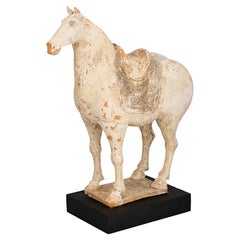
Tang Dynasty Earthenware Horse Circa 618–907 CE This Tang dynasty earthenware horse retains traces of its original white pigment, a feature rarely preserved on sculptures of this pe...

Category

Antique 15th Century and Earlier Chinese Tang Animal Sculptures

Materials

Earthenware

China 549-577 AD Northern Qi Dynasty Ancient Caparisoned Horse In Earthenware

China 549-577 AD Northern Qi Dynasty Ancient Caparisoned Horse In Earthenware

Located in Miami, FL

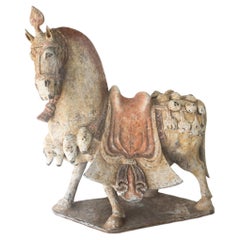
Exceedingly rare Chinese pottery caparisoned horse from the Northern Qi region. A beautiful sculptural piece, created in China during the Northern Qi dynasty period, between the 549 and 577 AD. This horse statue is extremely finely modeled of earthenware pottery, standing in a very elegant and majestic position striding on a trapezoidal shaped base. The animal has a gracefully arched neck to the left and its extremely well modeled. The head is adorned with a large detailed tassels of plumes and the body is embellished with a beautiful saddle and intricate harnesses. The trapping around the chest and rump is adorned with elaborated tassels and the straps are accented with multiples florets and bosses in high relief. The surface is treated with applications of natural pigments such; red, white and others. Has a measurements of 394 mm by 343 mm by 257 mm (15.53 x 13.52 x 10.15 Inches) (39.4 x 34.3 x 25.7 Cm). Northern Qi, was the successor state of the Chinese Xianbei state of Eastern Wei...

Category

Antique 15th Century and Earlier Chinese Archaistic Sculptures and Carvings

Materials

Earthenware, Pottery

Tang Dynasty Horse

Tang Dynasty Horse

Located in Apeldoorn, NL

The Tang Dynasty horse, a symbol of power and prestige, embodies the grace and strength of an ancient empire. Crafted with exquisite detail, its slender form captures the essence of ...

Category

Mid-20th Century Sculptures and Carvings

Materials

Wood

Ming Period Large Pottery Horse with Saddle (15-16th Century)

Ming Period Large Pottery Horse with Saddle (15-16th Century)

Located in seoul, KR

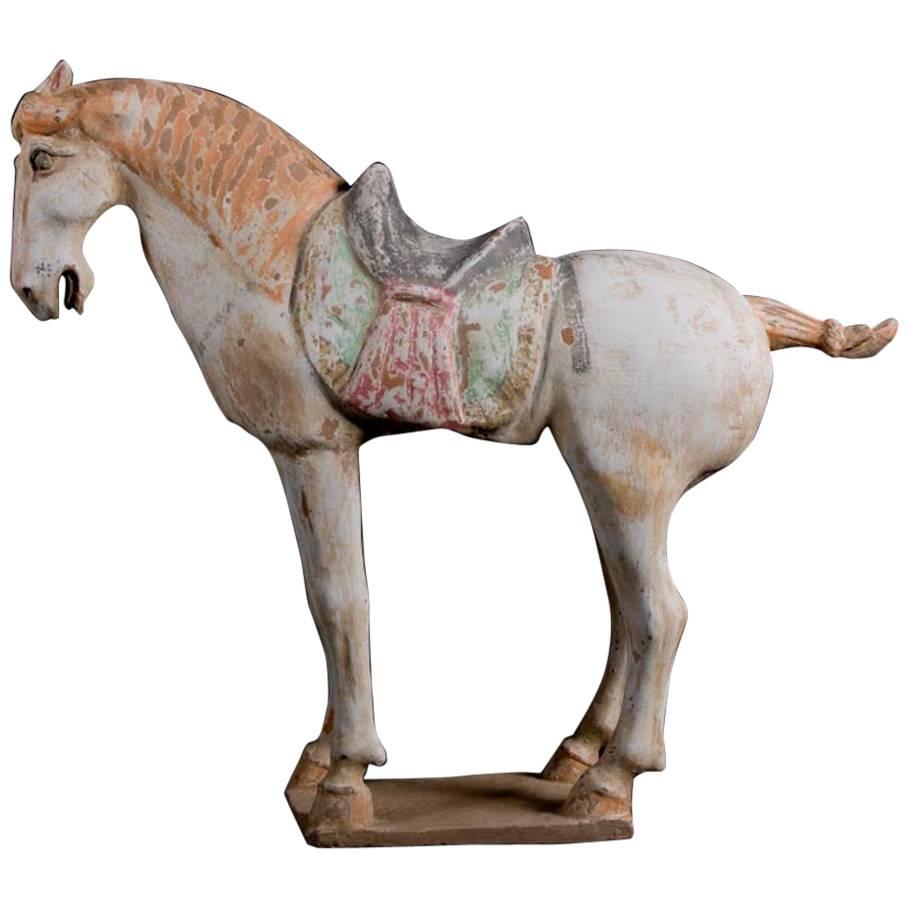
This Ming Dynasty painted pottery horse is depicted standing on a tiered rectangular pedestal. The horse has a well-proportioned body, with sturdy legs and a slightly arched neck. The eyes and muzzle are subtly outlined and incised. The mane is sculpted with deep, parallel grooves. The tail is long and slightly curved left, extending downward. The saddle is prominently featured at the center of the horse’s back, detailed with a raised, rounded seat and an attached stirrup hanging down one side. The saddlecloth is textured with a crosshatch pattern, bordered by a row of carved fringe-like elements. The horse's legs display subtle musculature, and the hooves are clearly defined, with black pigment accentuating their edges. The original painted pigments, including white, black, and ochre, are still visible, though faded in some areas. The black pigment highlights the mane, tail, and parts of the bridle, while the ochre tones accentuate the saddle and decorative elements. Period: Ming Dynasty Medium: Green, black, and ochre glazed Pottery Type: Figure Provenance : Acquired in late 1990s from Hongkong Reference : Asian Civilisations Museum - Accession No. C-1384 / 1994-00441 - Ming Dynasty Figure of Horse (Type : Closely Related) * Ming Dynasty Glazed Pottery Figures Ming Dynasty glazed pottery figures are renowned for their bold color palette, intricate detailing, and lifelike forms, distinguishing them from earlier traditions. These figures, which depict officials, warriors, animals, and mythical creatures, are characterized by high-gloss lead-based glazes in green, amber, ochre, and sancai (three-color) combinations. The thickly applied glaze pools in recesses, creating depth and enhancing sculptural details. With dynamic postures, expressive facial features, and meticulously rendered drapery, these figures reflect the period’s advancement in ceramic craftsmanship, offering a greater sense of movement and realism compared to the rigid and stylized forms of earlier dynasties. A defining characteristic of Ming glazed pottery is its elaborate surface detailing, often achieved through raised relief elements and contrasting glazes. Equestrian figures, for example, feature carefully sculpted saddles, harnesses, and decorative embellishments, while human figures are adorned with intricate robes and headdresses. The large scale of these tomb figures, often more imposing than those from previous periods, underscores the increasing importance of funerary art during the Ming era. Unlike later Qing Dynasty figures...

Category

Antique 15th Century and Earlier Hong Kong Ming Antiquities
Materials

Pottery