Located in Sammu-shi, Chiba
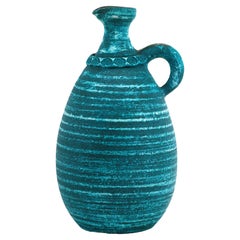
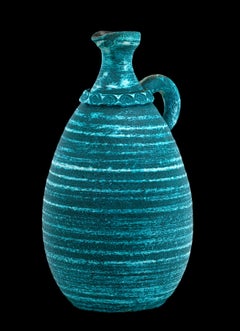
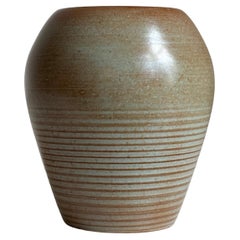
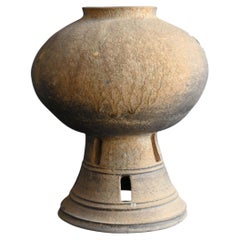
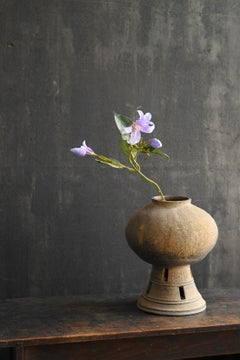
This is an excavated earthenware vessel that is thought to have been made in Korea during the Silla period, around the 9th century. It is a very beautiful jar of the form called a "footed jar," and it comes with a dedicated wooden storage box and a paper recording its prewar provenance.
Silla was an ancient kingdom that arose in the southeastern part of the Korean Peninsula around the 1st century BC and lasted until the early 10th century. From around the middle of the 4th century, the firing temperature of Silla kilns rose above 1,000 degrees Celsius, which made the pottery harder and less prone to cracking than before. It ranges from light gray to dark gray, is unglazed, and rings with a metallic sound when tapped. It was used as everyday tools and as vessels for rituals, and was also placed in the tombs of powerful people as burial goods. It is very close to Japanese Sue ware, and the technique is said to have been transmitted from the Korean Peninsula to Japan. Large vessels were made by coiling clay, while finely made small vessels were made on the potter's wheel, and their outsides were decorated with incised patterns and, on the foot, with cut-out openings.
This jar, too, was placed in an ancient tomb as such a burial good. For that reason it was made with great care. The smooth curves made on the potter's wheel are beautiful, and the lines of the raised bands that run around the body are also graceful. On the foot, you can see the wavy pattern and the cut-out openings that are characteristic of Silla pottery...
Category
15th Century and Earlier Korean Other Antique Stoneware Vases
MaterialsPottery, Stoneware