Want more images or videos?
Request additional images or videos from the seller.

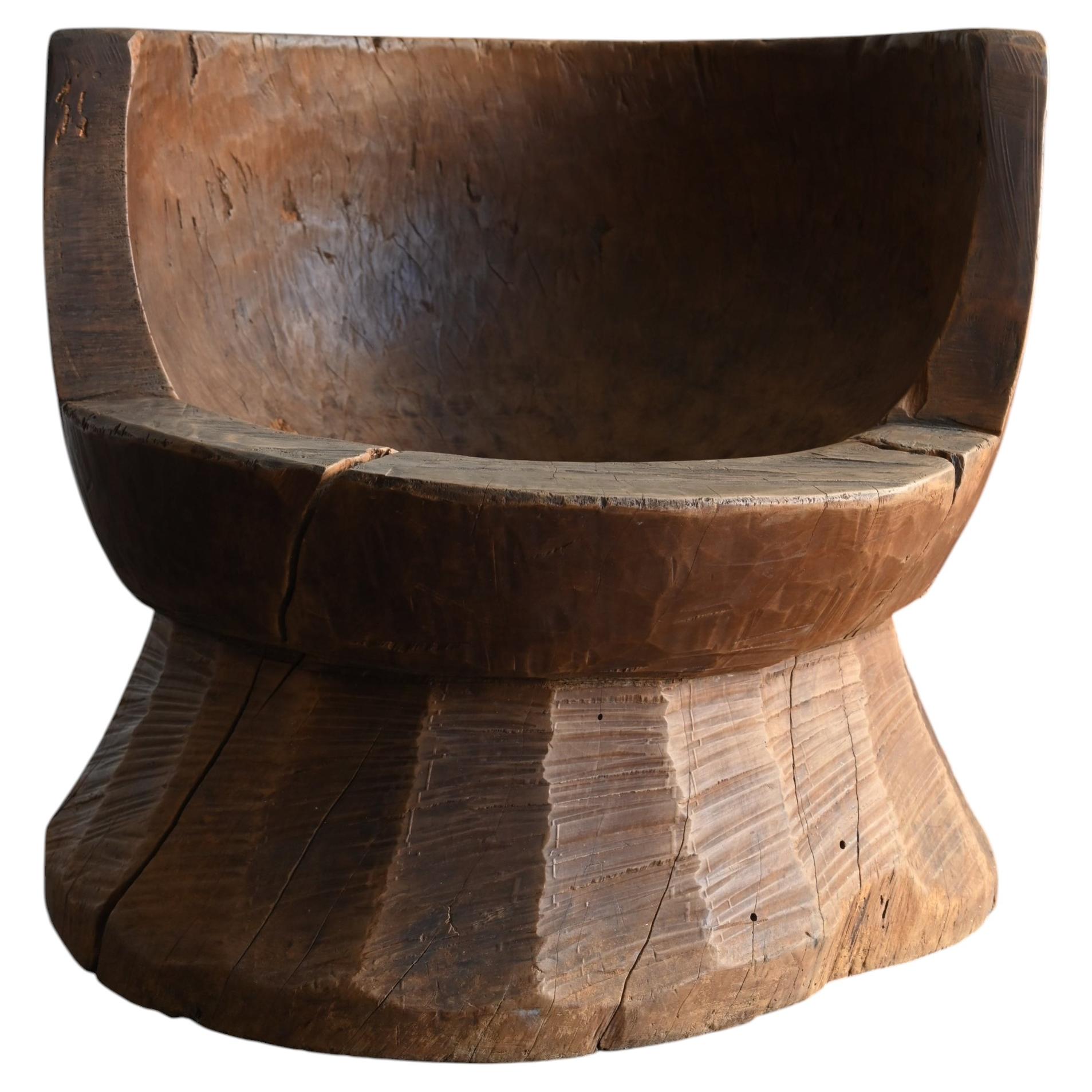
Japanese Wabi-Sabi Primitive Zelkova Wood Stool 1860s-1900s / Side Chair Mingei

$1,500
£1,145.47
€1,372.64
CA$2,159.82
A$2,226.75
CHF 1,254.33
MX$28,494.02
NOK 14,473.65
SEK 15,138.59
DKK 10,264.01

About the Item

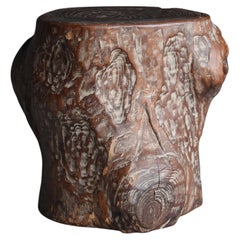
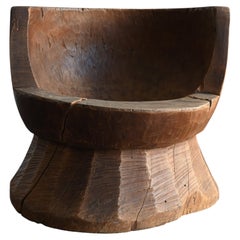
This is an antique wooden stool made in Japan. It is believed to date from the Meiji period (1860s–1900s). The piece is crafted from Keyaki (Japanese Zelkova), a hardwood renowned for its exceptional strength and beautiful grain. Carved from a substantial piece of solid wood, its impressive volume and distinctive form, dramatically narrowing at the center, give it a remarkably sculptural appearance. Although rustic and primitive in character, it possesses a powerful and captivating presence. This piece was discovered in an old Japanese farmhouse. Interestingly, it was originally used as a mortar for pounding grain. At some point in its long history, it was turned upside down and repurposed as a stool. Originally created as a practical agricultural tool, it has continued to serve different purposes over many generations. This transformation beautifully reflects the resourcefulness and enduring appeal of traditional Japanese folk objects. The present seating surface was originally the bottom of the mortar. It bears countless small holes and irregularities caused by insect activity in the distant past, creating a fascinating texture reminiscent of naturally eroded stone. Through many years of use as a stool, the wooden surface has become hard and compact. Despite its weathered appearance, it is not as fragile as it may seem. Very little wood dust is produced, and the piece remains sufficiently sturdy and functional for use as a stool today. Another particularly striking feature is the large crack running through the body, which has been reinforced with traditional iron staples. Several rusted iron staples were driven into the wood to hold the split sections together. These simple yet expressive repairs preserve tangible evidence of an older Japanese way of life, when damaged objects were carefully repaired and continued to be used rather than discarded. The combination of deeply aged, dark brown Keyaki wood and weathered, rusted iron creates an extraordinary visual character that could never be authentically reproduced in contemporary furniture. The piece has been thoroughly cleaned with water and disinfected, so it is ready to be enjoyed in your home. The cracks, worn surfaces, traces of historic insect activity, and old repairs have all become essential elements of its beauty. This remarkable object strongly embodies the Japanese aesthetic philosophy of wabi-sabi, which finds beauty in imperfection, the passage of time, and the natural aging of materials. Please note that, due to the considerable age of the wood, a small amount of wood dust may occasionally fall from the piece, particularly during unpacking. We kindly ask for your understanding. More than simply an antique stool, this is a unique sculptural object that preserves the history of Japanese rural life, traditional craftsmanship, and generations of thoughtful reuse. The item will be carefully packed and shipped safely from Japan. Seat Dimensions: Approximately 340mm × 305 mm. Weight: 15.5 kg
  • Similar to:
    Axel Vervoordt (Designer)
  • Dimensions:
    Height: 14.97 in (38 cm)Width: 15.36 in (39 cm)Depth: 14.57 in (37 cm)
  • Style:
    Primitive (In the Style Of)
  • Materials and Techniques:
    Wood,Woodwork
  • Place of Origin:
  • Period:
  • Date of Manufacture:
    1860s-1900s
  • Condition:
    Wear consistent with age and use.
  • Seller Location:
    Chōsei District Nagara, JP
  • Reference Number:
    1stDibs: LU10403252497702

More From This Seller

View All
Japanese Old Paulownia Tree Stump Sculptural Stool 1950s–1970s / Wabisabi

Japanese Old Paulownia Tree Stump Sculptural Stool 1950s–1970s / Wabisabi

Located in Chōsei District Nagara, JP

This is an old Japanese tree-stump stool, believed to have been made during the mid-Showa period, approximately the 1950s–1970s. Its greatest appeal lies in its powerful, highly scul...

Category

Vintage 1950s Japanese Primitive Stools

Materials

Wood

Antique Naga Primitive Chair Early 20th century / Side Chair Wabi Sabi

Antique Naga Primitive Chair Early 20th century / Side Chair Wabi Sabi

Located in Chōsei District Nagara, JP

This is a primitive chair of the Naga people. Quiet in its stance yet commanding in presence, it is a remarkably compelling piece that combines the strength of a sculptural work with the simplicity of folk furniture. It is believed to date from the early 20th century. Over many decades, the wood has taken on a deeply smoked tone, transforming into a rich dark brown surface that seems to embody time itself. Countless blade marks remain visible across the surface, and the worn patina softly reflects light. More than a piece of furniture, it stands as an art object capable of anchoring an entire space. The Naga people are a collective term for indigenous tribes living in the mountainous regions spanning present-day Northeast India and Myanmar. With their own distinct culture and spirituality, they developed powerful forms of craftsmanship, including wood carving and weaving. Born from a life lived in close relationship with nature, their creations value symbolism and function over decoration, resulting in a profoundly primal beauty. Naga chairs...

Category

Early 20th Century Indian Primitive Chairs
Materials

Wood

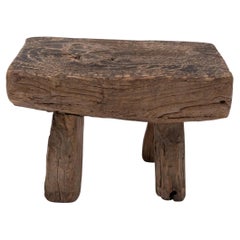
Japanese Antique Stool 1860s-1920s / Side Chair Wabisabi

Japanese Antique Stool 1860s-1920s / Side Chair Wabisabi

Located in Chōsei District Nagara, JP

This is a small antique Japanese wooden stool. It is believed to have been made during the Meiji to Taisho periods, approximately the 1860s–1920s. The piece is crafted from Japanese ...

Category

Antique 1860s Japanese Meiji Stools

Materials

Cedar

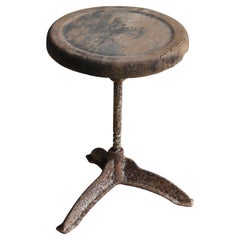
Japanese Old Stool 1940s-1960s / Side Chair Wabisabi

Japanese Old Stool 1940s-1960s / Side Chair Wabisabi

Located in Chōsei District Nagara, JP

This is an old stool made in Japan. It was made in the mid-Showa period (1940s-1960s). The top surface is made of cedar wood and the legs are made of iron. Despite the combination of...

Category

Late 20th Century Japanese Showa Stools

Materials

Iron

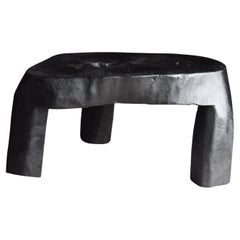
Japanese Antique Massive Primitive Table 1900s-1940s / Coffee Table Wabisabi

Japanese Antique Massive Primitive Table 1900s-1940s / Coffee Table Wabisabi

By Axel Vervoordt

Located in Chōsei District Nagara, JP

This is an antique massive primitive-style coffee table made in Japan. Its low, grounded form and overwhelming sense of volume—seemingly carved from a single solid mass—bring a quiet...

Category

Mid-20th Century Japanese Primitive Coffee and Cocktail Tables

Materials

Wood

You May Also Like

Antique Primitive Stool / Mortar 1860s-1920s / Side Table Wabisabi Naga Tribe

Antique Primitive Stool / Mortar 1860s-1920s / Side Table Wabisabi Naga Tribe

Located in ECHT, NL

Monumental sculptural Nagaland Stool / mortar. One of a kind charming authentic primitive Object made of a single solid hardwood. Hand carved by the Naga tribe in India, ca 1860s-19...

Category

Early 20th Century Indian Primitive Stools

Materials

Wood

Petite Wabi Sabi Chinese Stool, Early 19th Century

Petite Wabi Sabi Chinese Stool, Early 19th Century

Located in Chicago, IL

This petite Chinese stool was hand-crafted in the early 19th century, cobbled together from spare materials for use throughout the home. As evidenced by the many blade marks on the t...

Category

Antique Early 19th Century Chinese Primitive Pedestals

Materials

Elm

Ashanti Stool, West African Hand Carved Hardwood Stool, Wabi Sabi, 20th Century

Ashanti Stool, West African Hand Carved Hardwood Stool, Wabi Sabi, 20th Century

Located in Odense, DK

A highly decorative handcrafted Ashanti stool, made in West Africa(Ghana) in the 1970s. A unique design making it a one-of-a-kind piece for your home. A beautiful wabi sabi object w...

Category

Late 20th Century Ghanaian Organic Modern Stools

Materials

Hardwood

Old Japanese wooden mortar chair / Early 20th century/ Primitive wabi-sabi seat

Old Japanese wooden mortar chair / Early 20th century/ Primitive wabi-sabi seat

Located in Sammu-shi, Chiba

This is a chair made from a repurposed wooden mortar (usu), thought to have been made in Japan between the late Meiji and early Showa periods, around 1890 to 1930. It was originally...

Category

Early 20th Century Japanese Taisho Chairs

Materials

Wood

Wabi Sabi Rustic Tripod Stool, Wood Grain Pattern, Patina, Organic, 1940's

Wabi Sabi Rustic Tripod Stool, Wood Grain Pattern, Patina, Organic, 1940's

Located in Antwerp, BE

Wabi-Sabi rustic tripod stool, woodgrain pattern, Patina, Organic, 1940's This rustic tripod stool is a real eye-catcher. It sits comfortably and the wood has a remarkable woode...

Category

Vintage 1940s French Rustic Stools

Materials

Wood