November 29, 2026Unlike champagne and Gorgonzola, Design Miami’s name is portable. There are now offshoots in Seoul (September) and Paris (October). But come December 1, Design Miami returns to its hometown, for its 22nd edition. The theme this year — under curatorial director Charlene Prempeh, who studied politics, philosophy and economics at the University of Oxford and is the author of Now You See Me: An Introduction to 100 Years of Black Design — is Unveiling. Sellers have shipped the best of the best to Miami Beach, and they can’t wait to reveal it.
The highlights of the fair’s Curio section and Special Projects program include works created by such 1stDibs standouts as Alex Turco, James de Wulf, Sten Studio, Spaceless Gallery and Ukrainian architect and furniture maker Victoria Yakusha and those showcased by 1stDibs sellers like the Duane Reed Gallery.
Among the fair’s gallery participants, the following stalwarts can always be counted on to make a splash in Miami Beach.
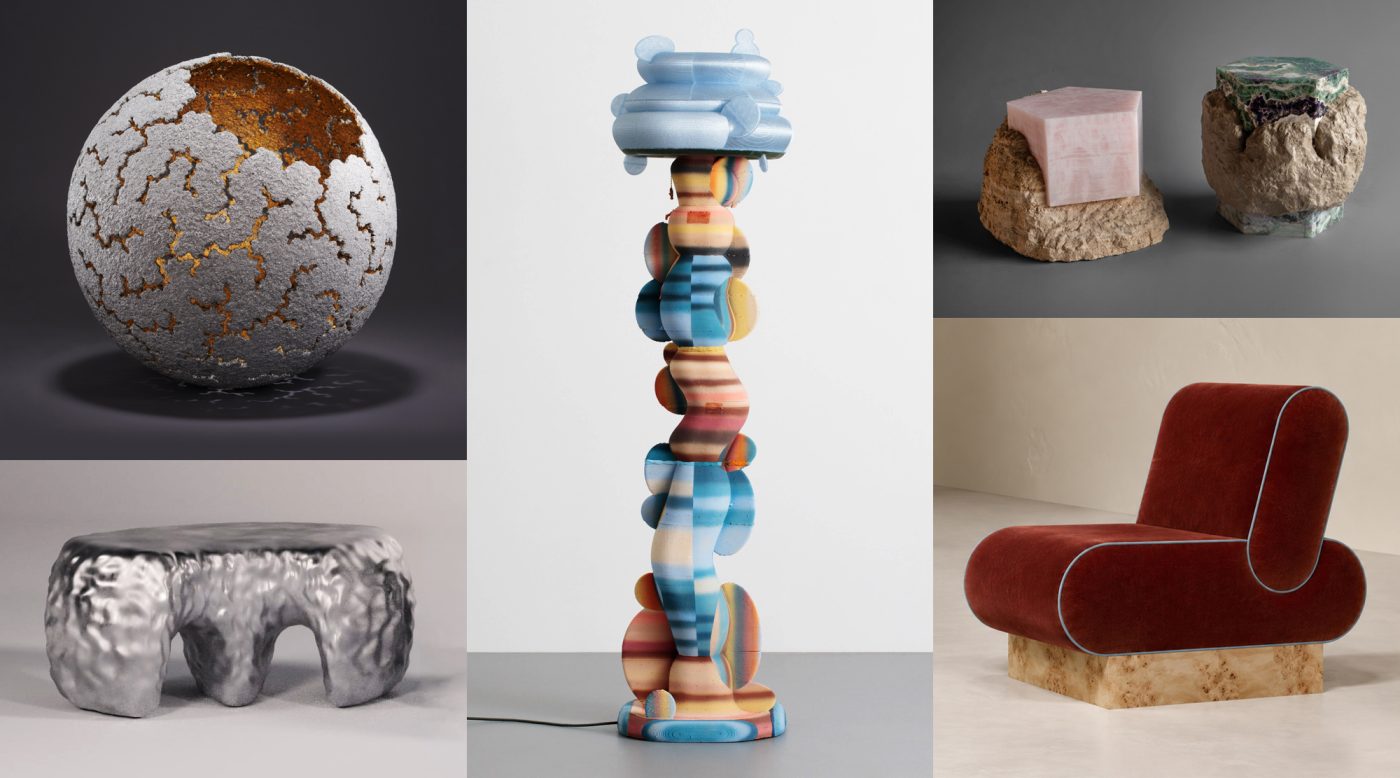
Clockwise from top left: Kazuhiro Toyama, Biophilia; Hatch, 2026; Jolie Ngo floor lamp in mosaic, 2025; Wilén-Jong Musubi Mono chair, 2026; Victoria Yakusha NADRA steel coffee table, 2026
Wexler
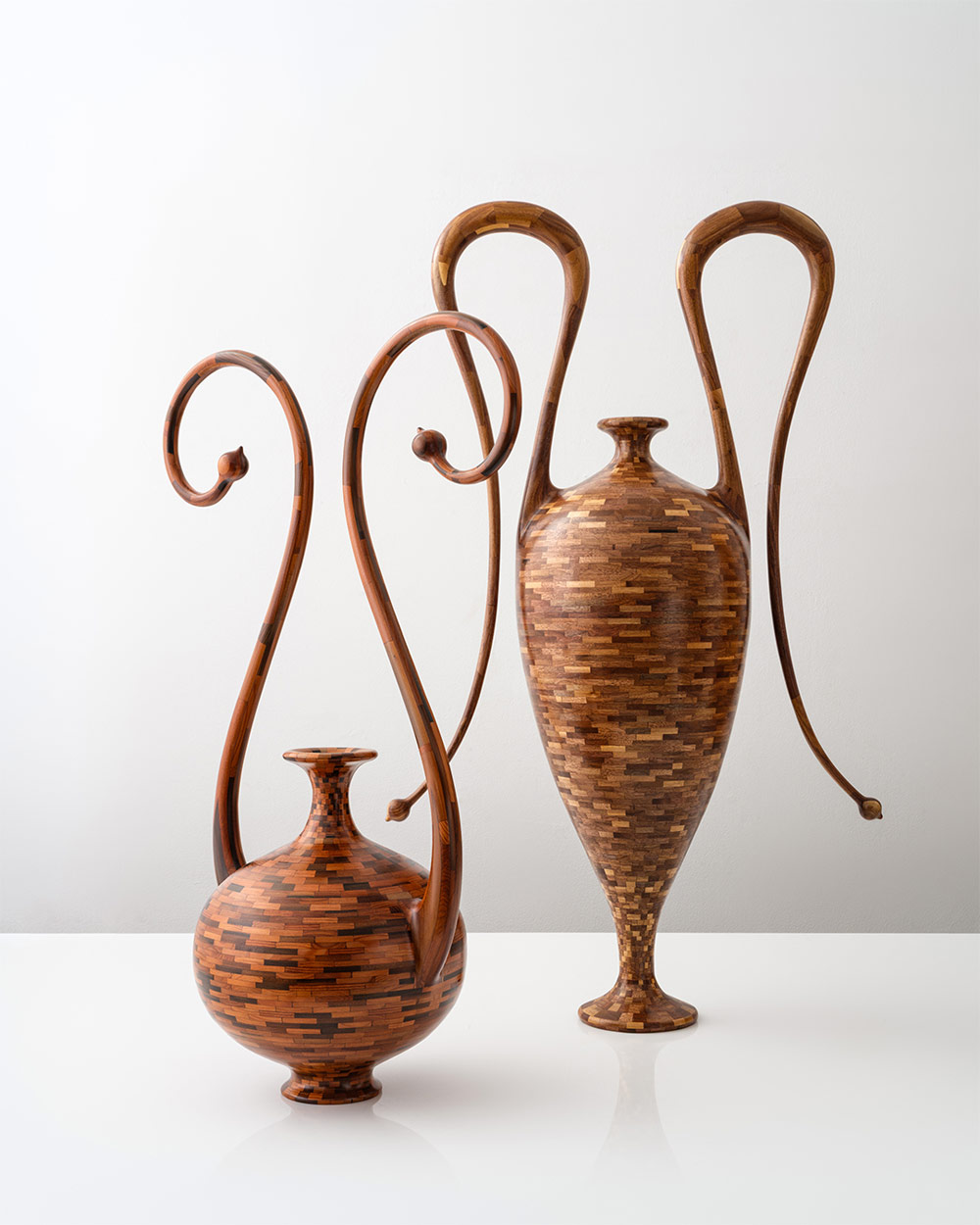
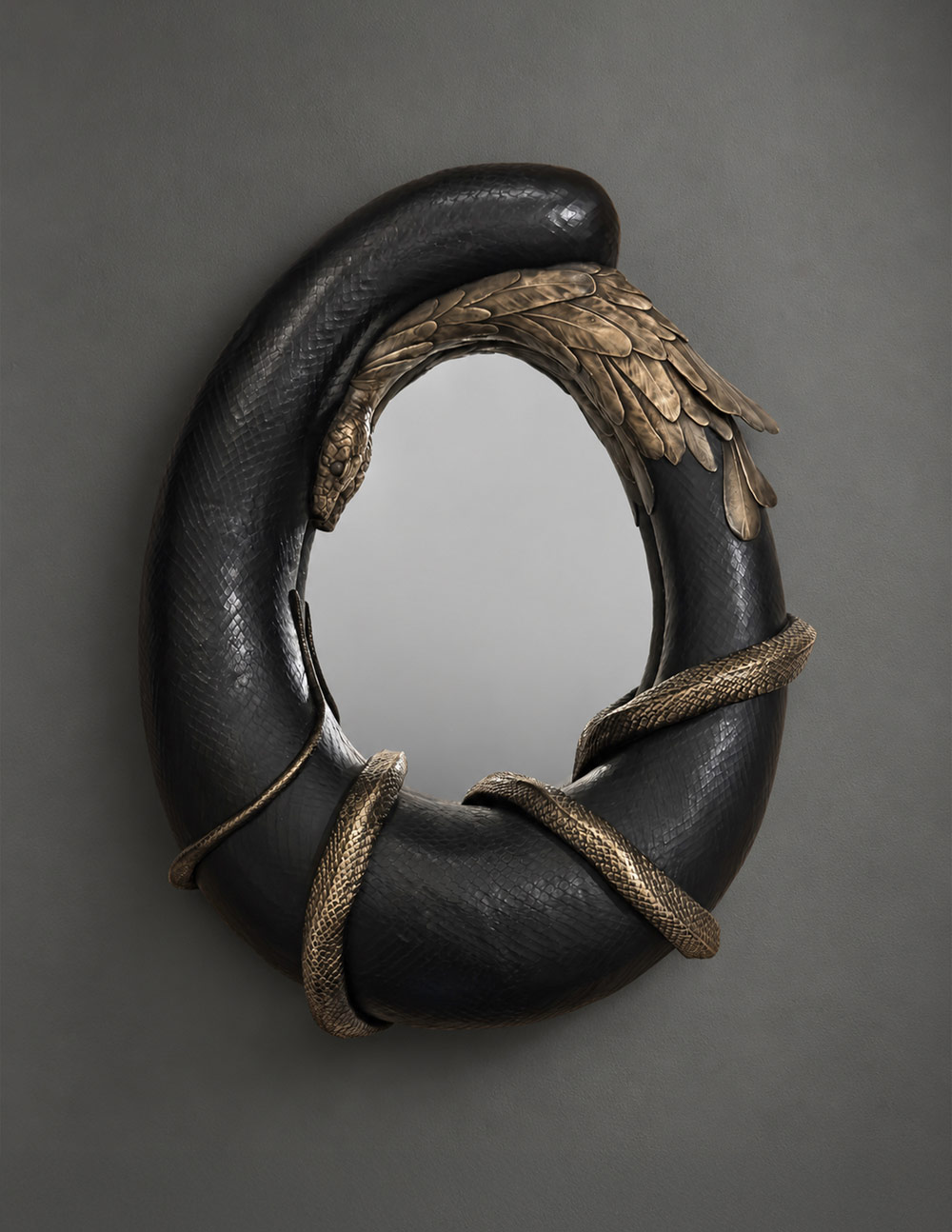
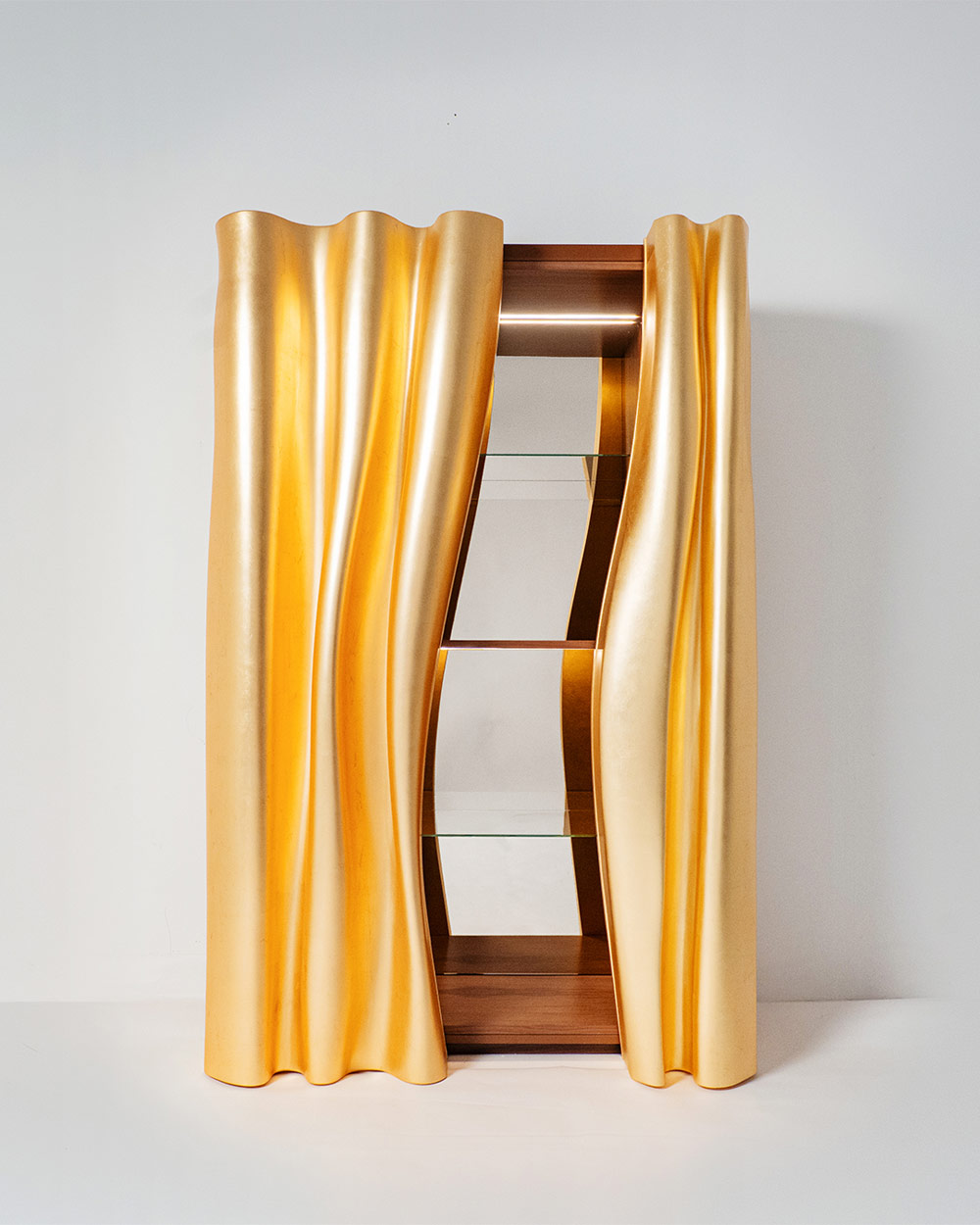
The Philadelphia-based Wexler Gallery will unveil dozens of new works. According to founder Lewis Wexler, German artist Henry Baumann is crafting some “amazing” contemporary lighting in resin. Erin Sullivan has created an egg-shaped mirror framed by an ornate bronze serpent, referencing mythology and the cycle of life. Brooklyn’s Richard Haining stacks thousands of fragments of reclaimed wood into sinuous vessels, including one with handles that spiral spectacularly skyward. New Jersey–based Ezra Ardolino takes a very different approach, using robots to sculpt plywood into pendants and a standing lamp. The Stockholm design partners Johan and Ash Wilén-Jong, of Wilén-Jong. are making their first foray into upholstered furniture with a sofa and a chair that have burled-wood bases and tailored cushions, in shapes that seem at once retro and futuristic. Wexler is also bringing two cabinets in gold leaf and bronze by the Italian artist Francesco Maria Messina, showing in Miami for the first time.
Magen H
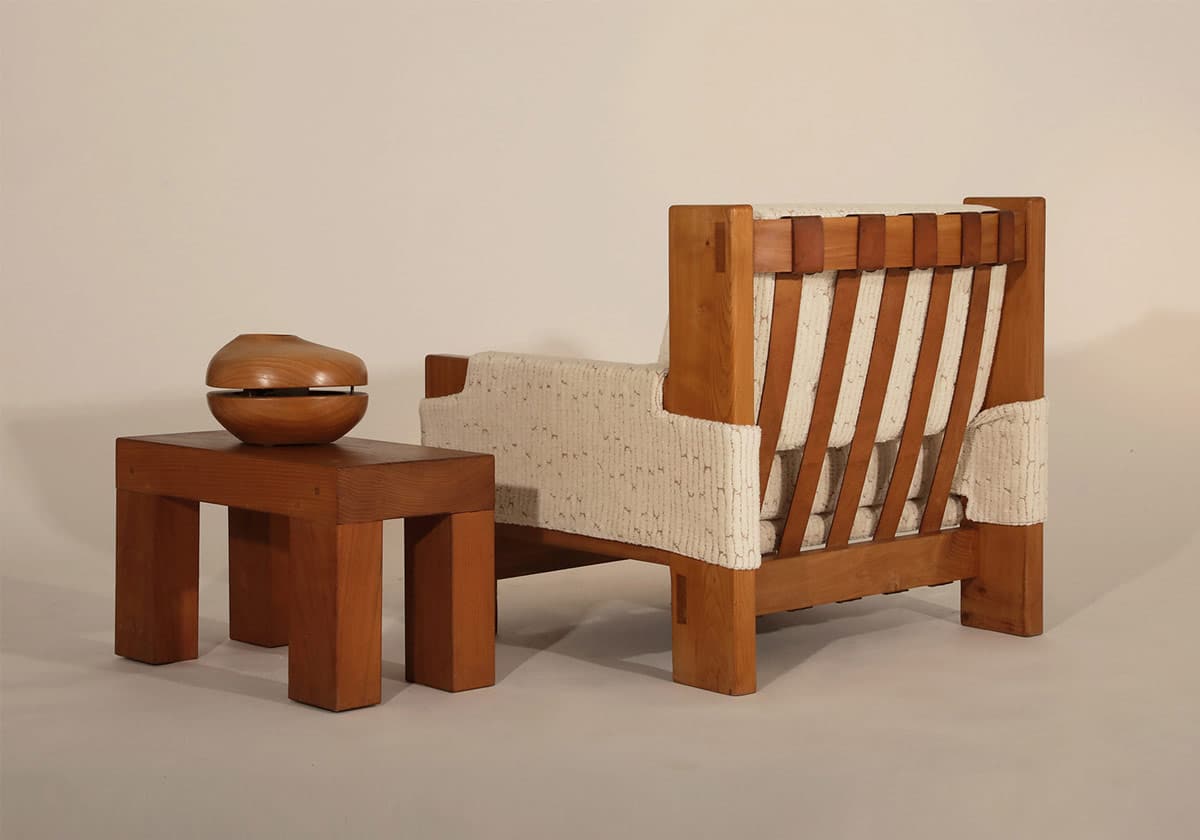
New York’s Magen H Gallery is displaying a selection of pieces that demonstrate the breadth and diversity of French postwar design. “Rather than focusing on a particular movement or school,” says gallery director Tiphaine Brun, “the presentation brings together works by Pierre Chapo, Jean Prouvé, Charlotte Perriand and others.” Founder Hugues Magen designed the booth as a series of intimate living spaces, allowing visitors to imagine the furniture in their own homes. Among the pieces are an armchair, floor lamp and set of dining chairs by Alain Gaubert, a French designer whose creations — some sharply geometric, other gently curved — Brun believes “deserve greater recognition. She is “particularly interested,” she says, “in bringing Gaubert into conversation with more-established figures of the period.” Also part of the conversation: ceramics ranging from wall panels by Albert Vallet to a covered bowl by André Aleth Masson.
R & Company
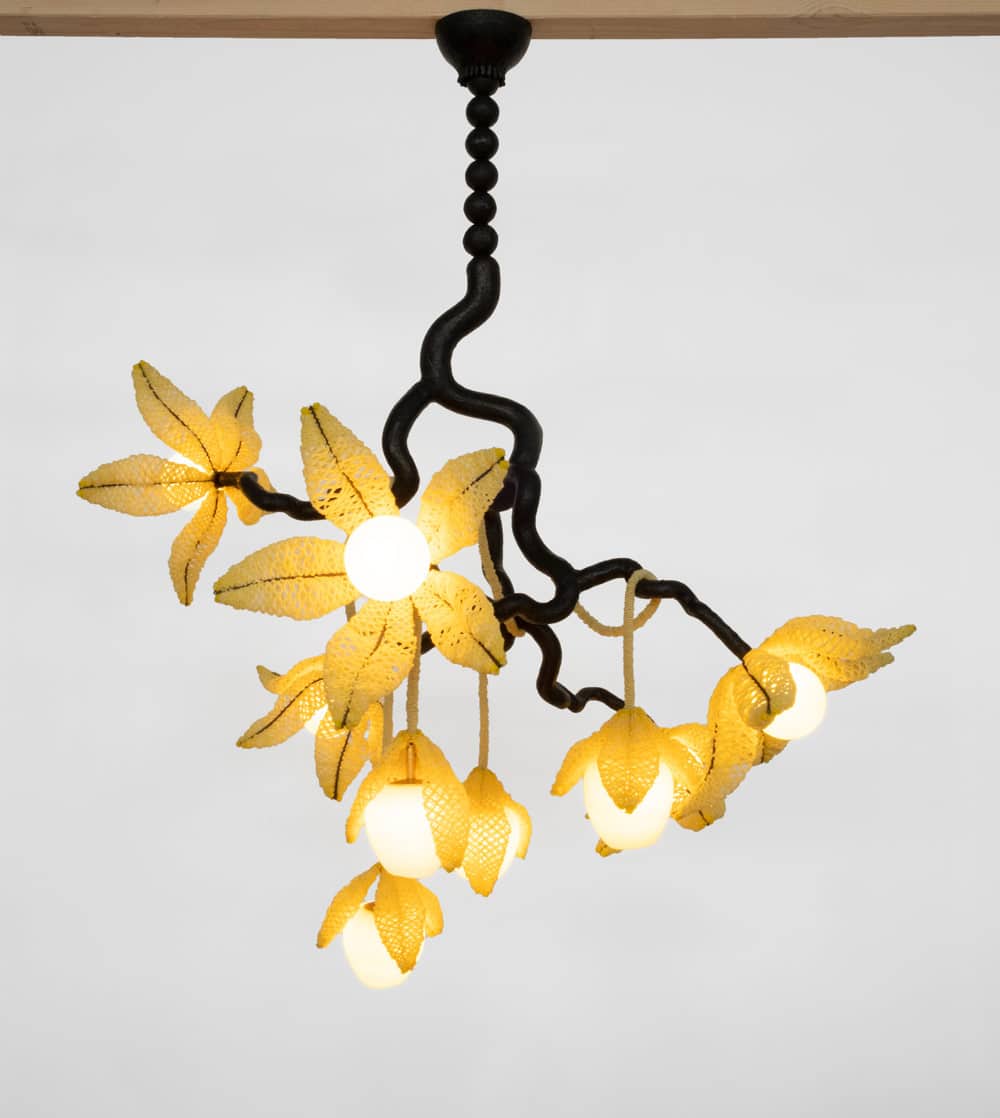
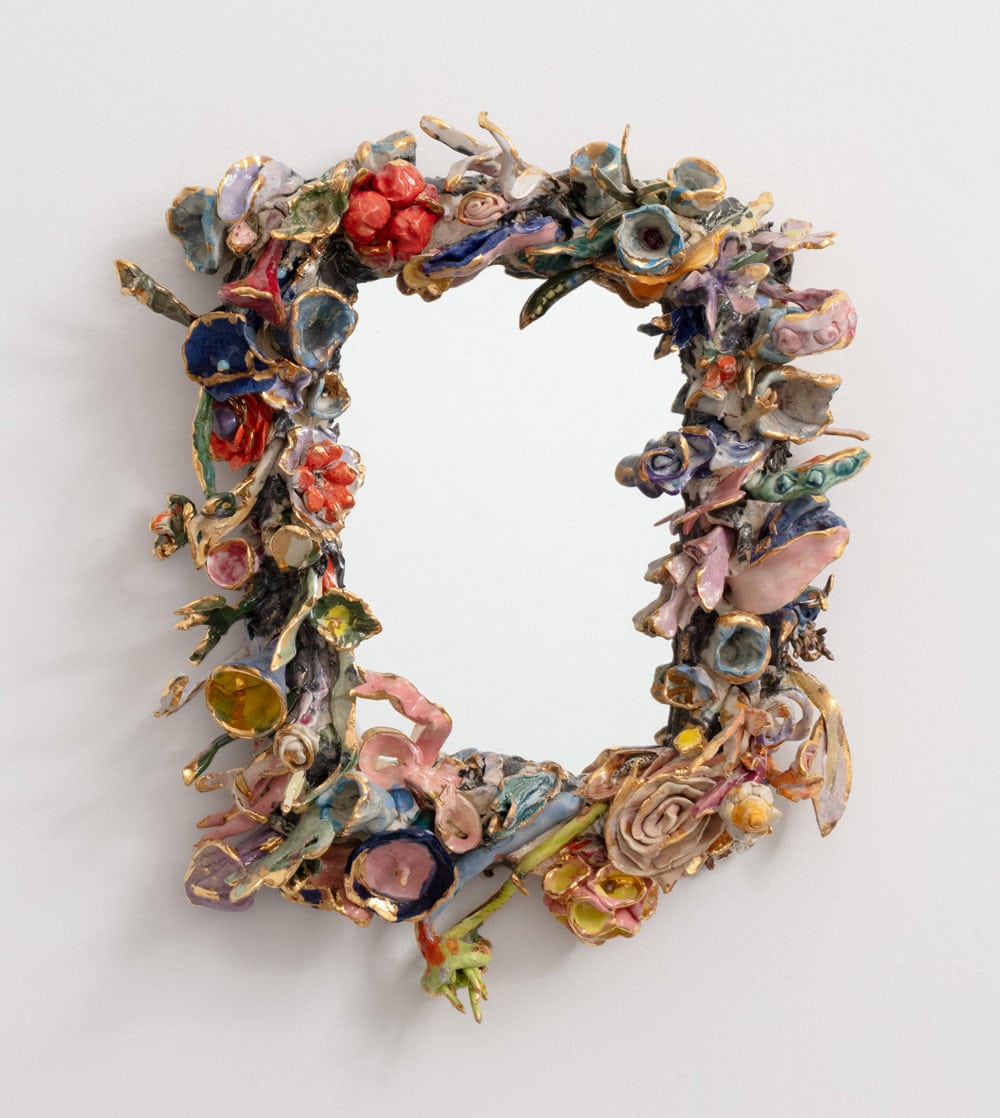
Manhattan’s R & Company, which has exhibited at Design Miami every year since its founding, is doing something new for this edition: using curved wood-and-cane screens by BassamFellows to divide its booth into five zones. In one of them, the Haas Brothers have created a vignette of beaded trees that gallery principal Zesty Meyers calls “stunningly beautiful,” noting that “the leaves aren’t flat, they’re beaded three-dimensionally, which makes the pieces that much more exciting.” Another zone contains a huge multicolored dining table by the Korean ceramist Hun Chung Lee. Hanging above it are pendant lamps by Jeff Zimmerman comprising bits of glass he cut to look like crystals. Joyce Lin, Meyers says, “makes us about five pieces a year. Collectors and curators can’t wait to see them. They’ll be all over the coatrack that we’re showing this year, which is made of wood, paper and clay.” Katie Stout has made two mirrors surrounded by ceramic leaves that look alive. But the most moving works, the gallerist says, may be a sofa and a settee by Sayar & Garibeh, a young married couple from Lebanon who survived the Beirut port explosion in 2020. After the blast, they couldn’t get the art supplies they needed. So, they turned to local stone and raffia. “Those choices still inform their work,” says Meyers, adding, “It’s our mission to show makers from anywhere in the world with important stories to tell.”
Long-Sharp Gallery
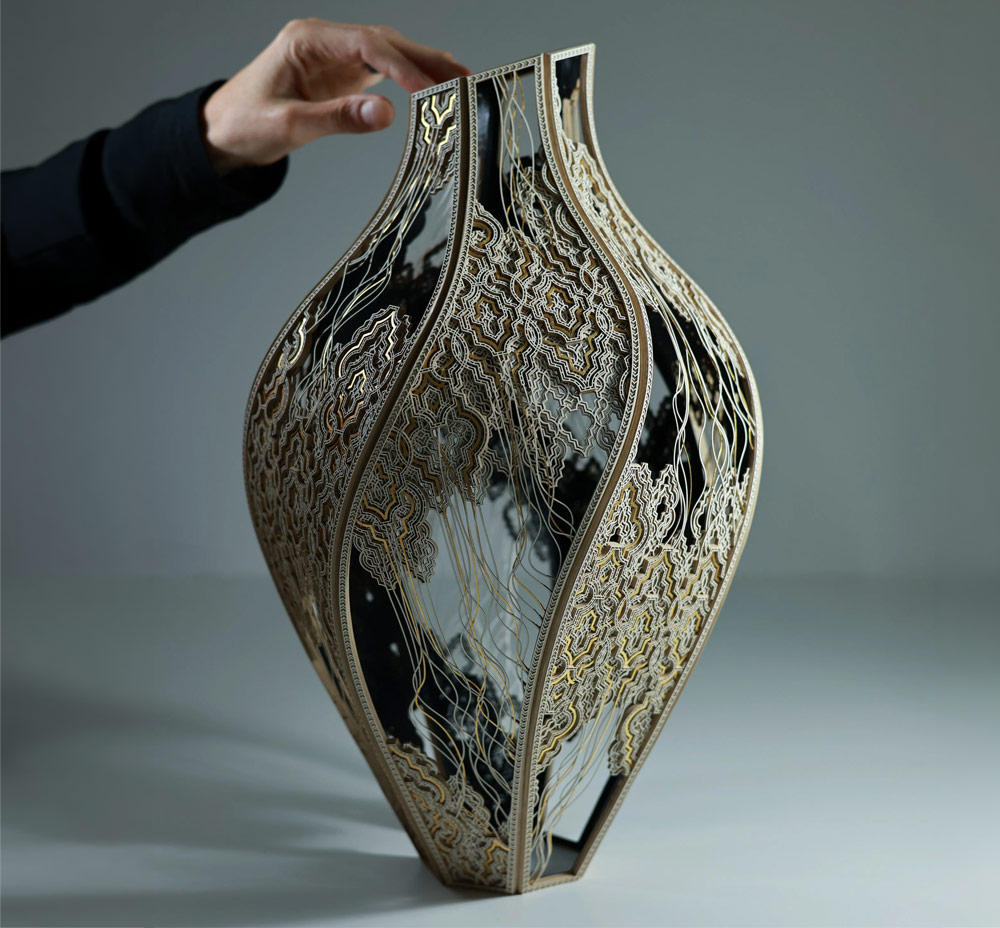
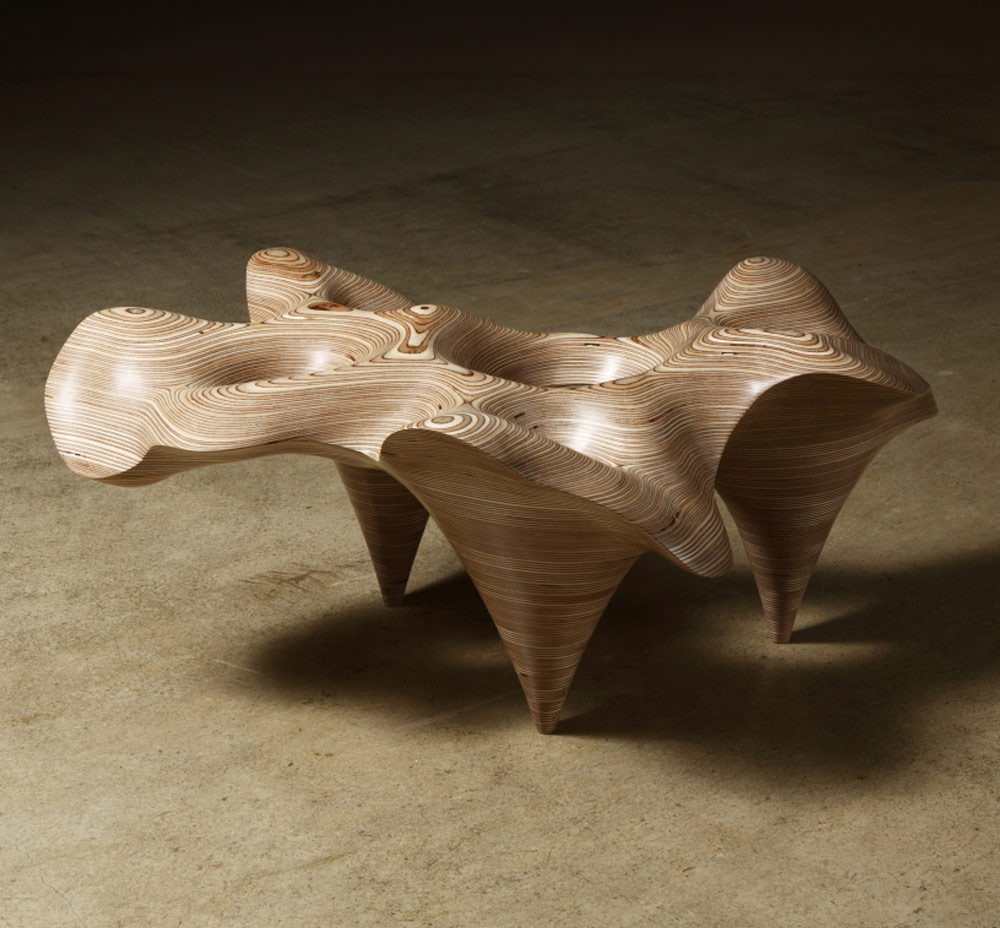
Indianapolis’s Long-Sharp Gallery will present works at the intersection of art and design by eight of its creators. Studio Ibbini, the Abu Dhabi–based partnership of Jordanian-British artist and designer Julia Ibbini and Stéphane Noyer, a French computer scientist specializing in computational geometry, uses aesthetic and algorithmic cues to create vessels so gossamer they seem to defy gravity. The ingredients? Cotton and inked and gold-leafed paper. Expect also to see silver vessels by Thalen & Thalen, steel standing sculptures by Tarik Currimbhoy and Patrick Hurst, suspended steel sculptures by Nicola Anthony, intricate wood sculptures by Cha Jong-Rye, lighted mirrors by Chul Hyun Ahn and custom-made furniture in a multitude of materials, primarily wood, by Jason Myers.
Boccara Gallery
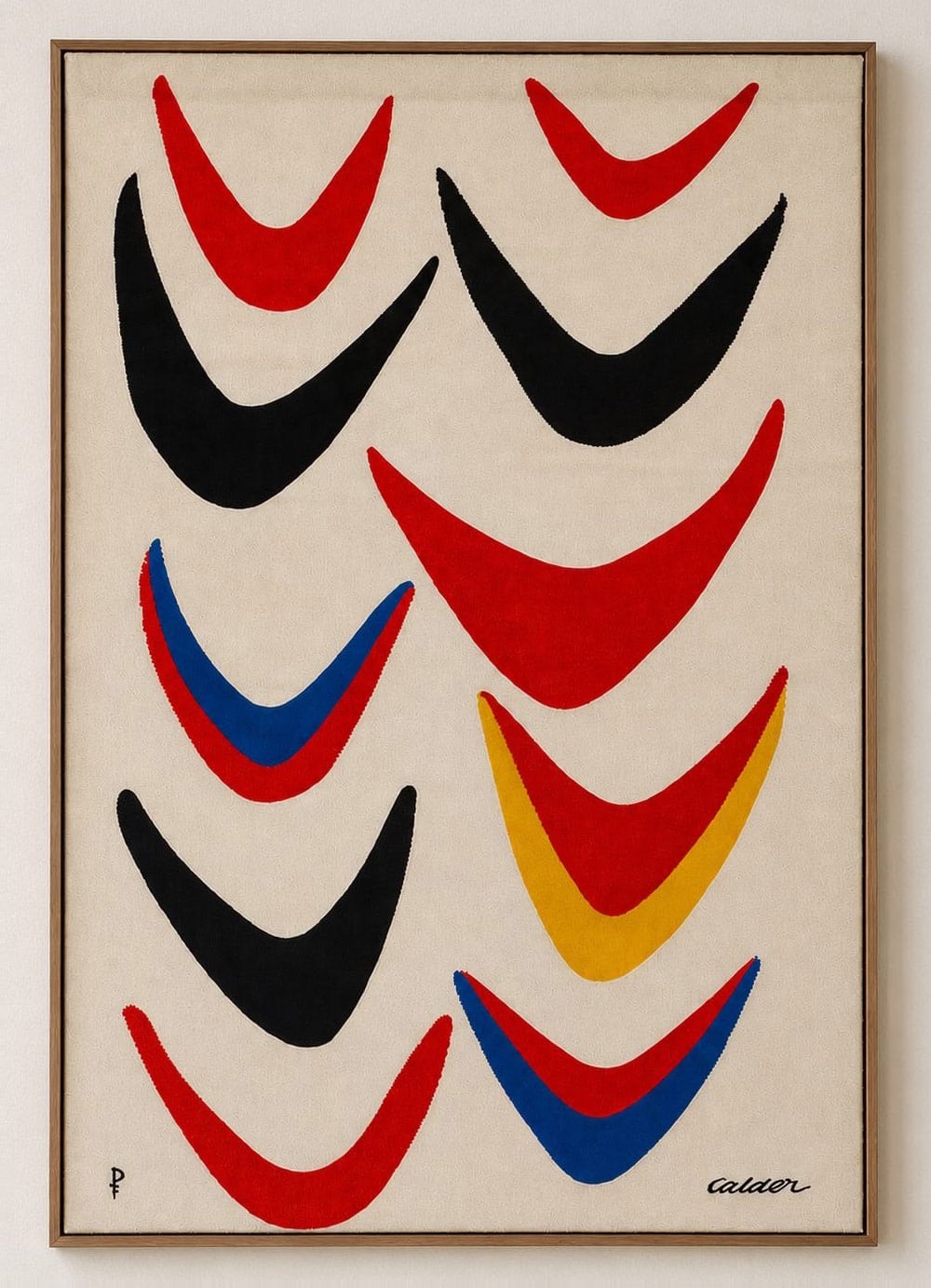
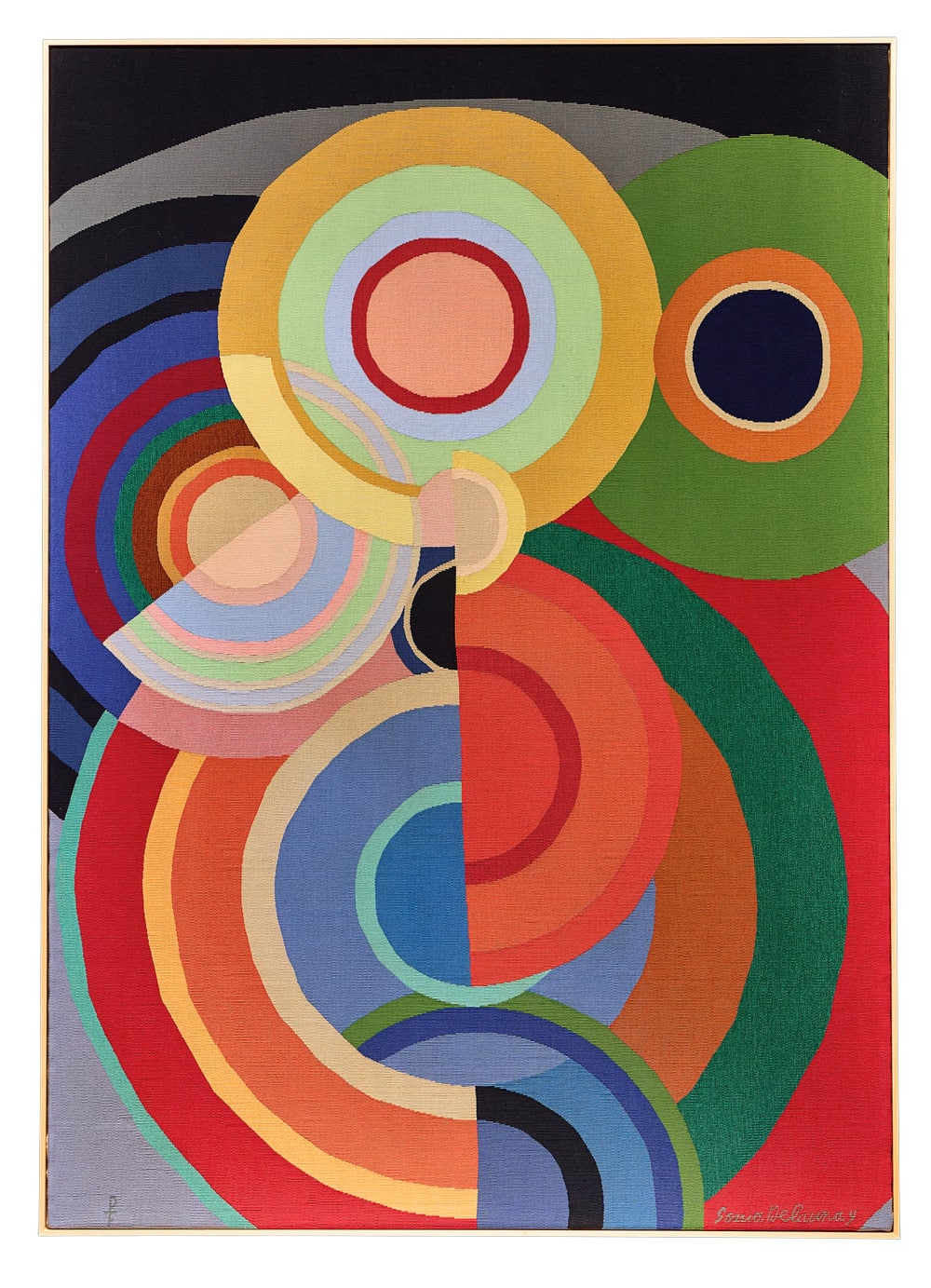
New York’s Boccara Gallery focuses on tapestries, including works by such modern masters as Alexander Calder and Sonia Delaunay. The latter’s Serpent Noir, appearing at Design Miami for the first time, is “truly a museum piece,” says gallery owner Didier Marien. The room-size triptych was woven in Aubusson during Delaunay’s lifetime. Along with the period pieces, Boccara is introducing a contemporary tapestry: Du fond du cœur by the Miami-based painter and photographer Ron Agam, the son of kinetic artist Yaacov Agam. Approximately five feet square, the bright blue piece depicts a very large red, white and blue op-art-inflected heart. Woven by hand in Aubusson, it’s the first in a series of Agam tapestries being developed by Marien. “Art has always been a powerful way to bring people together and convey emotions,” he says. “Ron’s work carries a message of love and humanity that deeply resonates with our own values.”
Marcela Cure
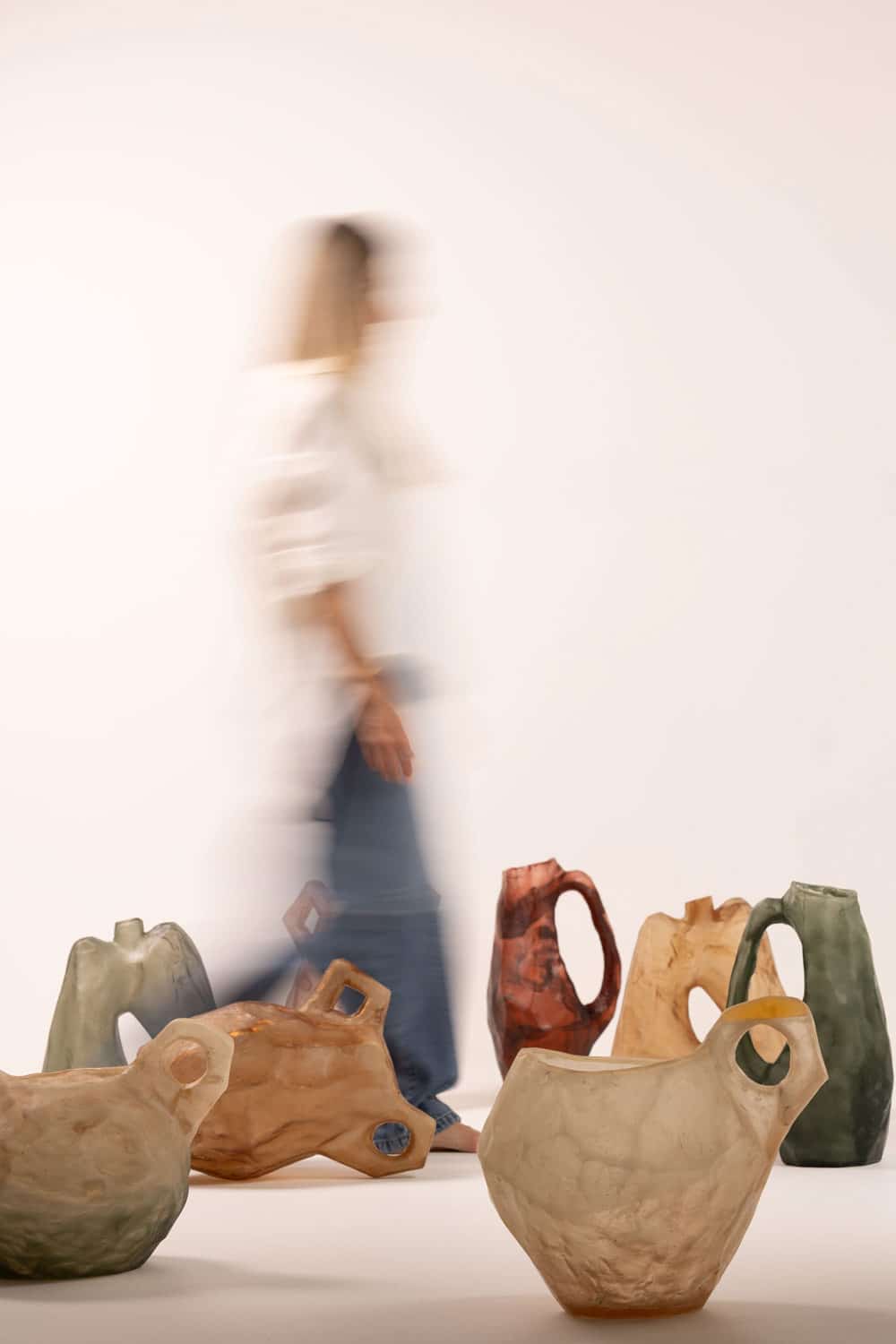
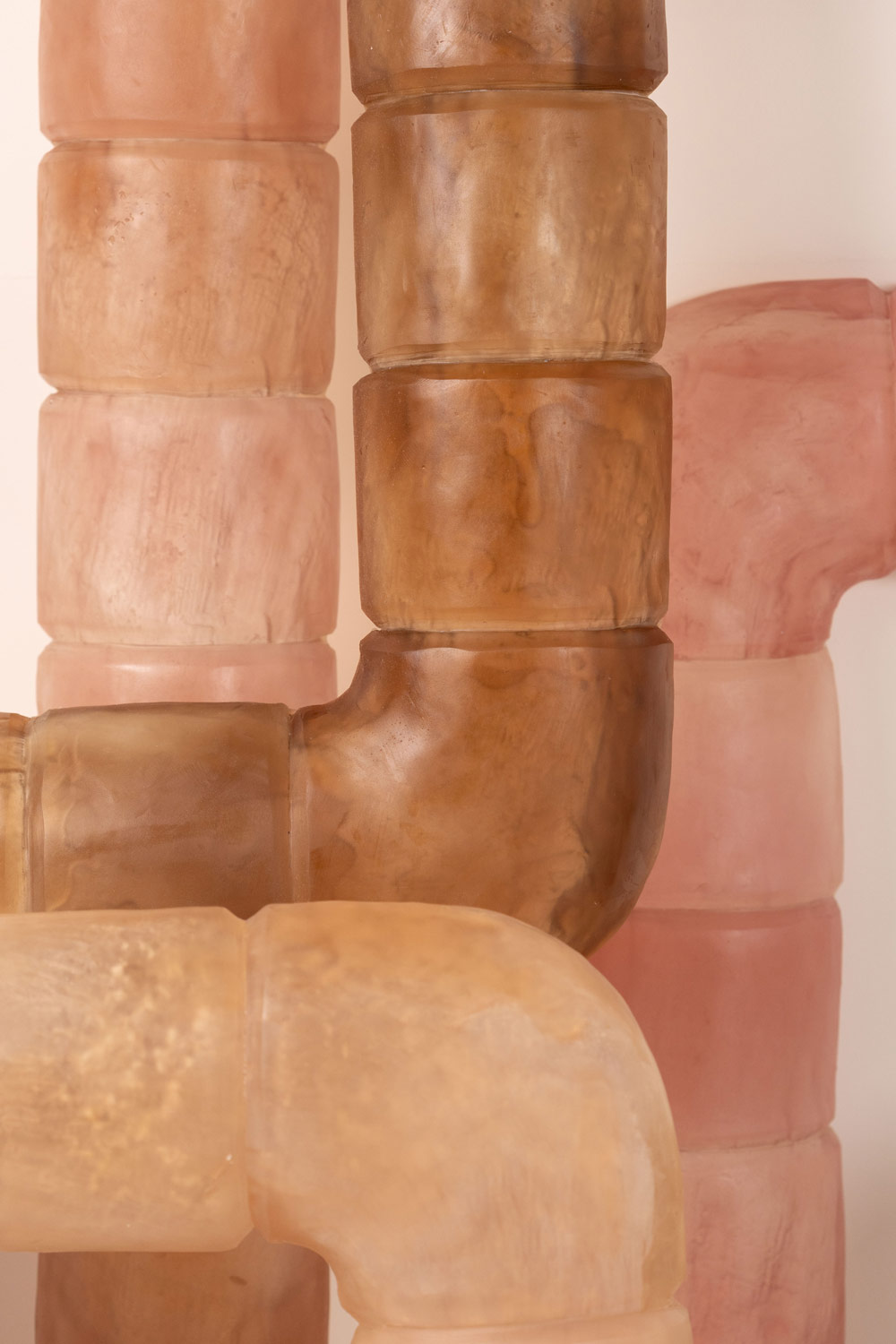
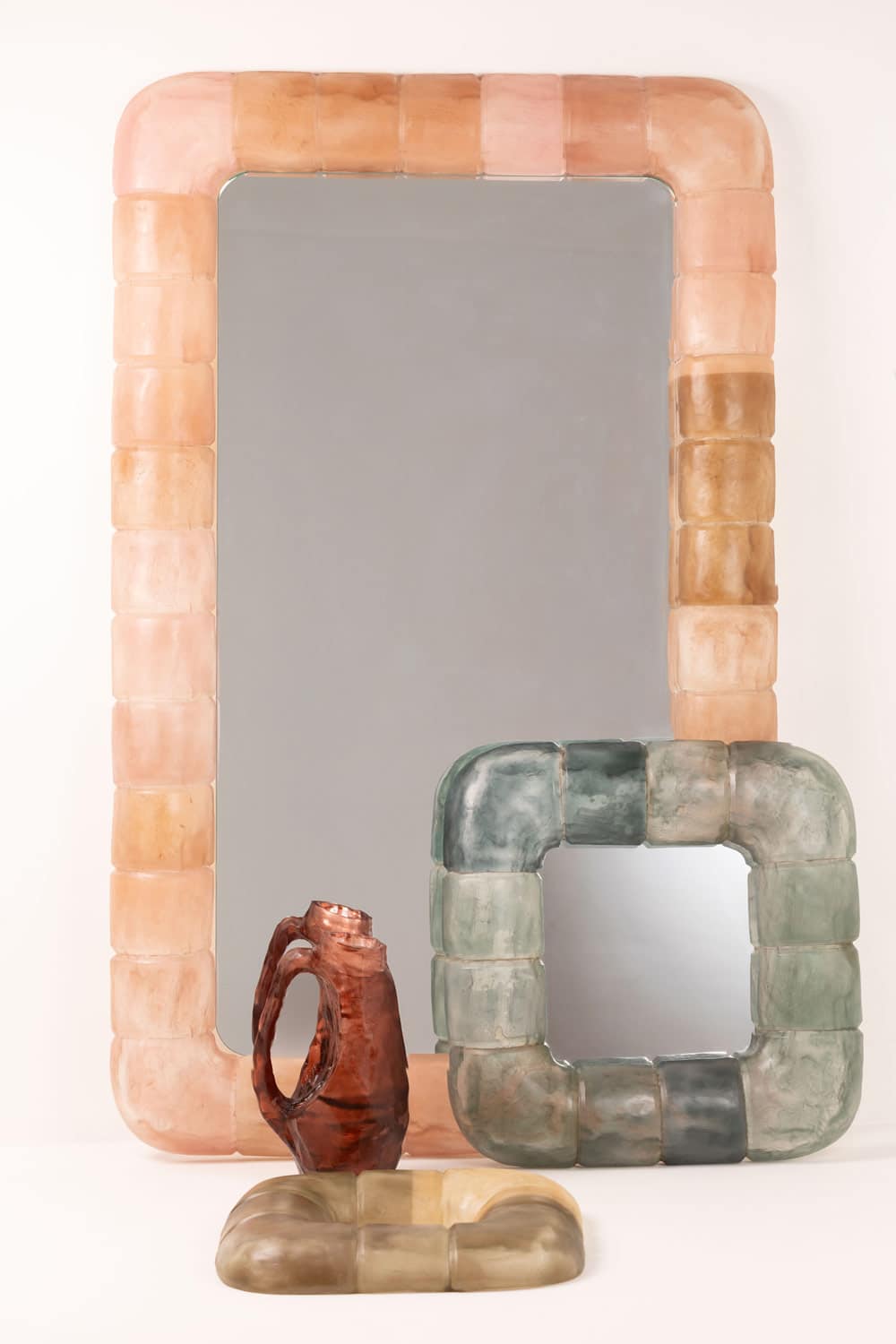
Marcela Cure, a Barranquilla, Colombia, interior designer and maker of both functional and nonfunctional (decorative) objects, will be unveiling new pieces made of resin, still her go-to material even though she’s added wood and leather to her repertoire over the past few years. The title of her new collection, Color in Suspension, is an accurate description of what happens when she adds dusky elements to mirror frames cast in a soft rose hue. Colors seem to slide across the surface of the frames, which come in a variety of sizes (the largest is seven feet tall) and are segmented like bamboo. Cure has made many resin coffee tables, but her new Four Points version consists of an irregularly shaped bronze-tinted glass top supported by a quartet of colorful resin legs tailored to the shape of the glass. Her resin vessels, called Open Bodies, come in several organic shapes with loop-like handles complicating their geometry. In a previous collection, similar vessels were made only in amber-toned resin. With this iteration, Cure says, she wanted to explore the ways in which adding colors would change how the shapes are perceived.
Cristina Grajales
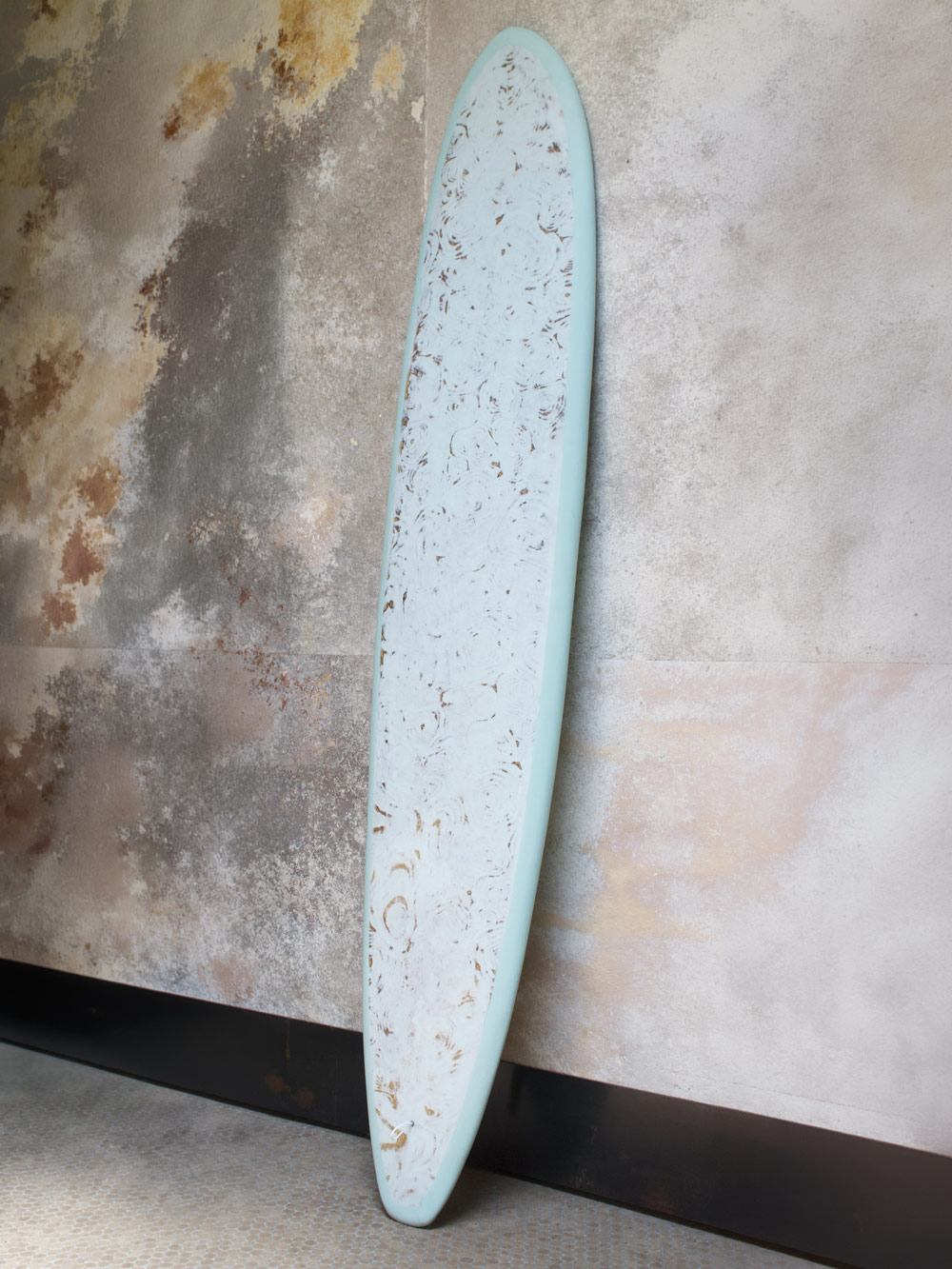
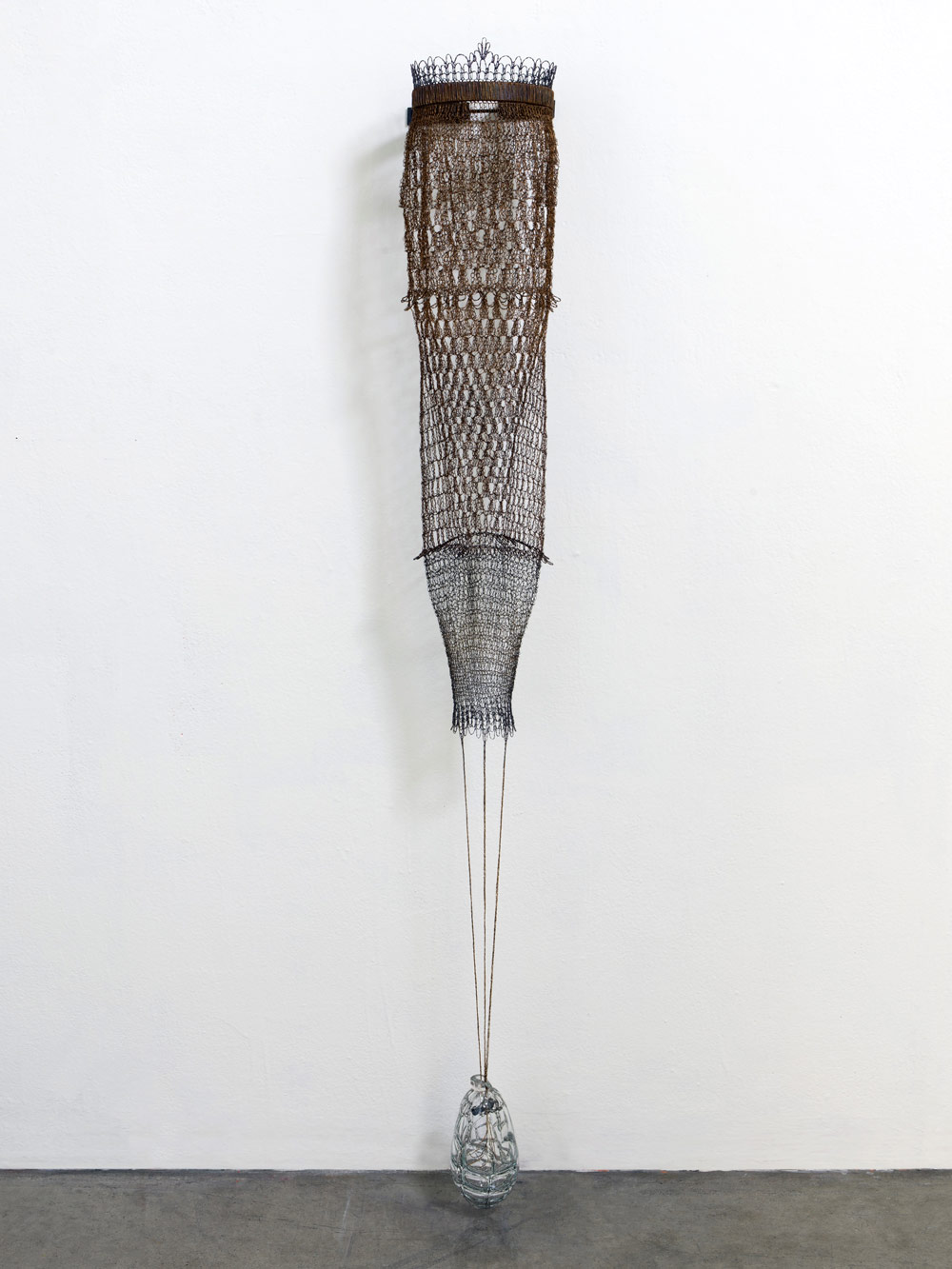
Cristina Grajales has worked for years with artists Randy Polumbo and Eden Naftali, who share her curiosity about the natural world, making pieces out of mycelium fungal filaments that are less designed than grown. Along with panels that Grajales describes as looking “like paintings,” she will be showing a mycelium surfboard. “It’s gorgeous,” she says, “and it floats.” Also on display will be intriguing crocheted hanging sculptures by Tracy Krumm, a Minnesotan who is getting the attention she deserves after 40 years as a practicing artist. The works’ patinated surfaces incorporate minerals gathered from flowers in Krumm’s garden, introducing an organic dimension to her practice. These, along with pieces by Fernando Mastrangelo and other gallery stars, reveal the natural world as not simply a source of inspiration but an active collaborator in the creative process.
J. Lohmann Gallery
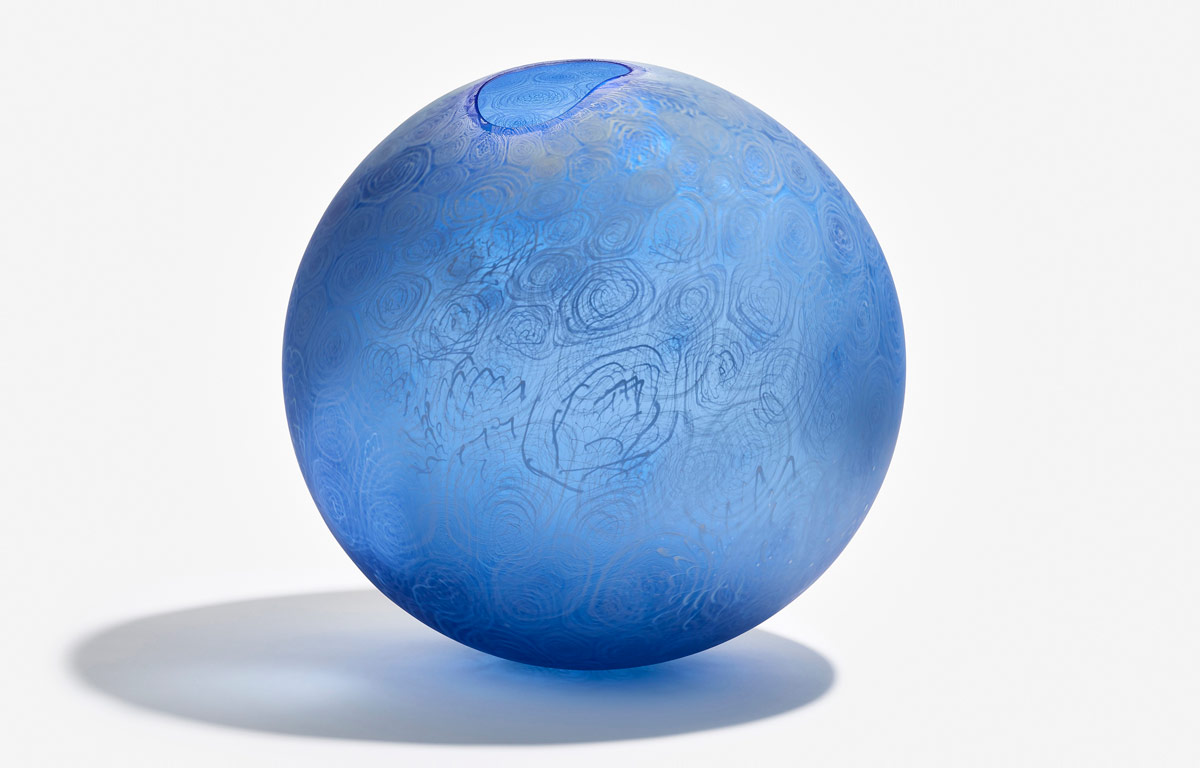
The eight artists presented by the New York–based J. Lohmann Gallery, all based in Europe or Asia, employ processes they cannot completely control: forging metal, blowing glass and firing ceramics. “As the pieces draw near to their finished state, the works unveil themselves to their creators,” says gallery director Joern Lohmann. Among those creators is Taehoon Lee, who subjects pastel-colored glass orbs to gravity, centrifugal force and extreme heat, turning them into swirling, dreamy, otherworldly landscapes. Lohmann calls Lee’s work “an investigation of curiosity and patience.” Other artists represented include Jongjin Park, Sandra Davolio, Ahyrun Lee and Toni De Jesus (ceramics); Geir Nustad and Michelè Oberdieck (glass); and Kazuhiro Toyama (metal).
Haddadin Design
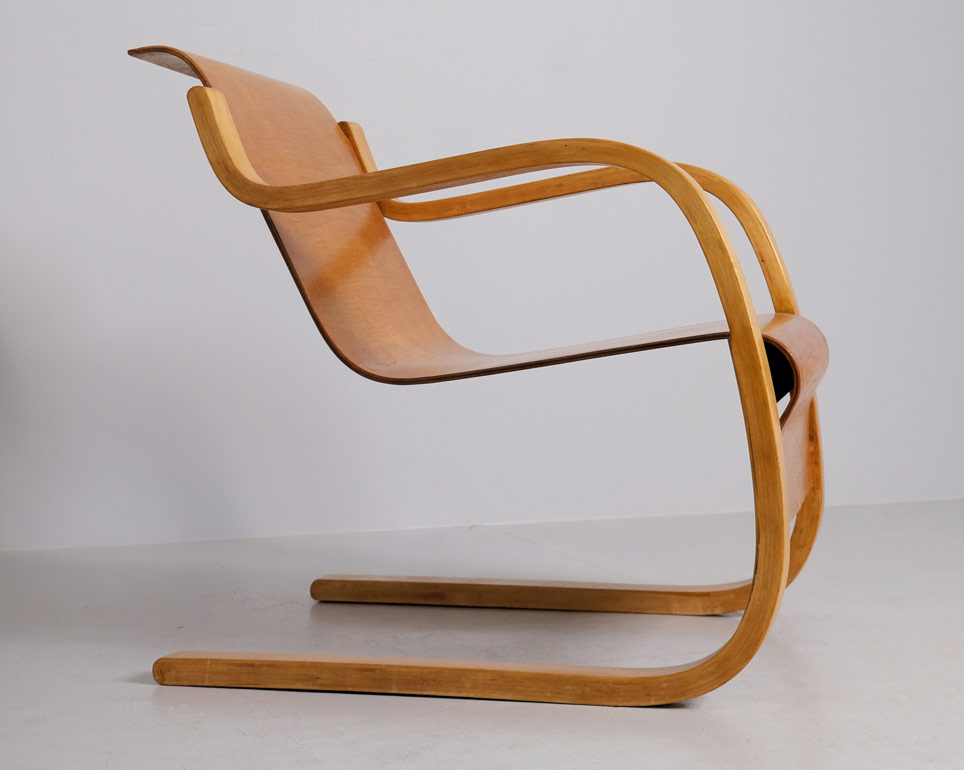
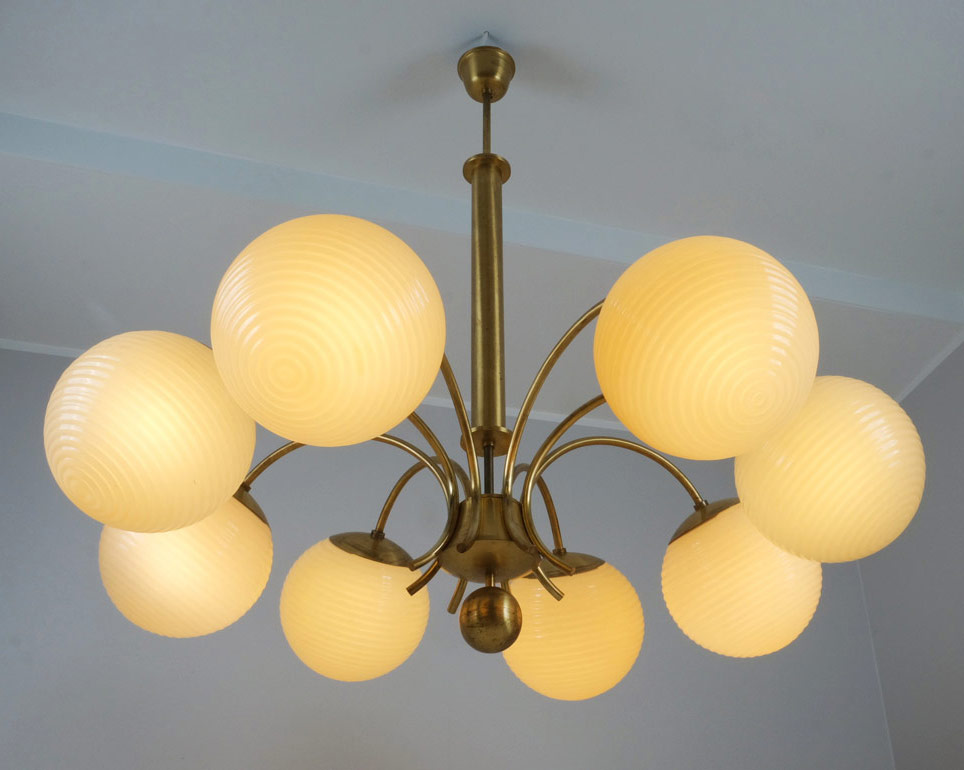
Haddadin Design, a family-run gallery in Helsinki, is making its first appearance outside Finland with what amounts to a timeline of that country’s modernist furniture, lighting and accessories. There are pieces representing each period: early-20th-century experimentation, 1930s functionalism, 1940s wartime scarcity and reconstruction, the 1950s explosion of interest in Finnish design and the increasingly experimental work that followed. The booth will also include works by Alvar Aalto, Lisa Johansson-Papé, Birger Kaipiainen, Eero Aarnio, Tapio Wirkkala and Paavo Tynell, whose model 9062 chandelier, produced for the United Paper Mills company club and guest house in the early 1950s, is particularly rare and important. “It represents the extraordinary relationship between Finnish industry, architecture and design during the country’s postwar Golden Age,” says owner Faris Haddadin. “Provenance like this transforms an object from an example of a designer’s work into a document of Finnish cultural history.”
Carpenters
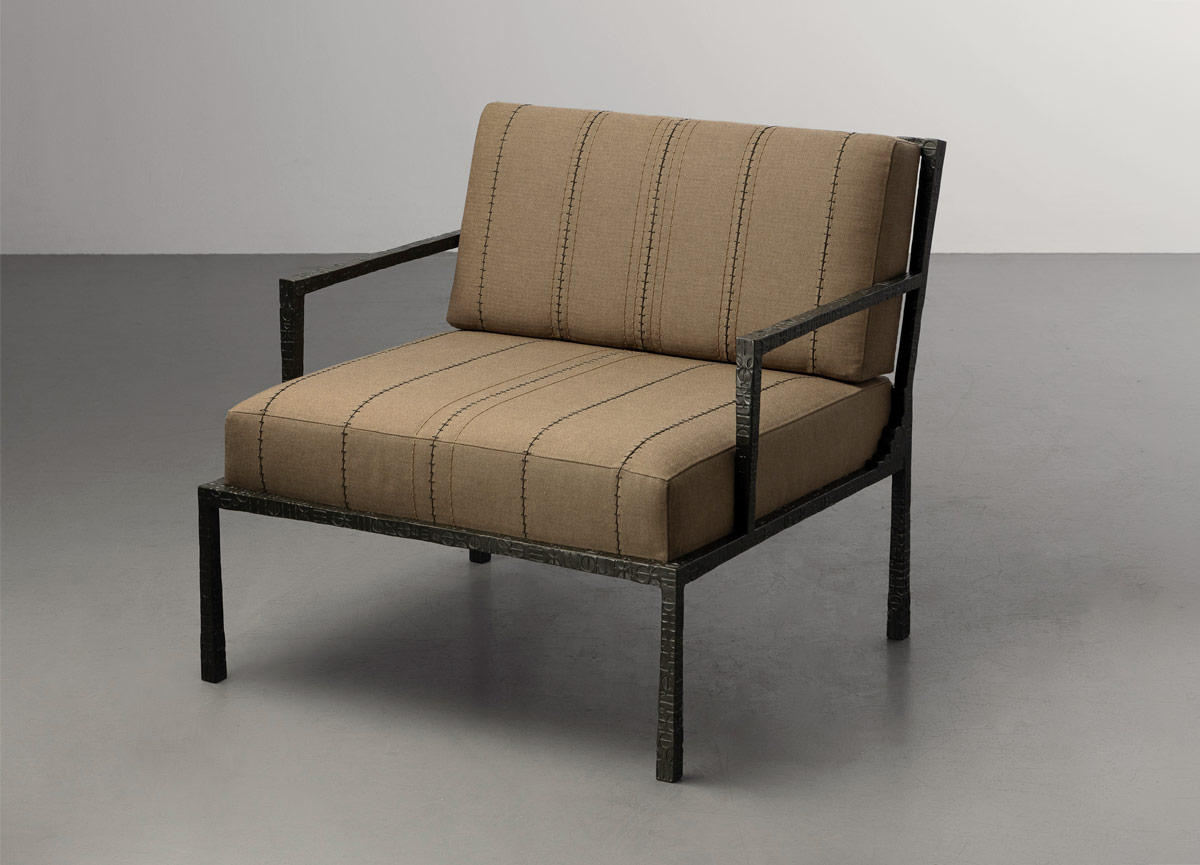
Carpenters, with galleries in London, Paris, New York and Los Angeles, is showing works by 12 of its artists, including several who have had long associations with the gallery. The Spanish designer Nacho Carbonell’s Big Round Chandelier 3 Stockholm, created in his Eindhoven studio, nestles light bulbs in a cascade or organic forms sculpted from metal mesh Paverpol, a textile hardener. Each piece seems at once carefully designed and utterly organic. The same might be said of Fragile Future FF 3.17, by Carpenters mainstay DRIFT. The Amsterdam-based studio carefully positions dandelion seeds and LEDs within bronze frameworks, this one resembling a circuit board. (Several pieces in the series are in museum collections.) Aki+Arnaud Cooren’s floor lamp juxtaposes hard and soft elements in a palette that recalls natural coral formations. Ingrid Donat, another Carpenters mainstay, imbues bronze with warmth and vitality, never more so than in her perforated and embossed Buffet Cisco. Another master of finding lightness in hard materials, Vincenzo De Cotiis is represented by a coffee table made of silver-plated brass, Murano glass and marble.